
Why Spring Cleaning Matters for Mold Prevention
Mold spores flourish in the warm, humid conditions that spring weather brings to homes across the country. Your spring cleaning routine becomes your first line of defense against costly mold problems that can damage property and threaten health.
Winter moisture buildup creates perfect breeding grounds for mold in areas you might overlook during regular cleaning. Condensation from heating systems, poor ventilation, and sealed windows trap humidity in basements, attics, and bathrooms.
This guide walks you through targeted cleaning strategies that eliminate moisture sources and prevent mold growth before it starts.
Target High-Risk Areas First
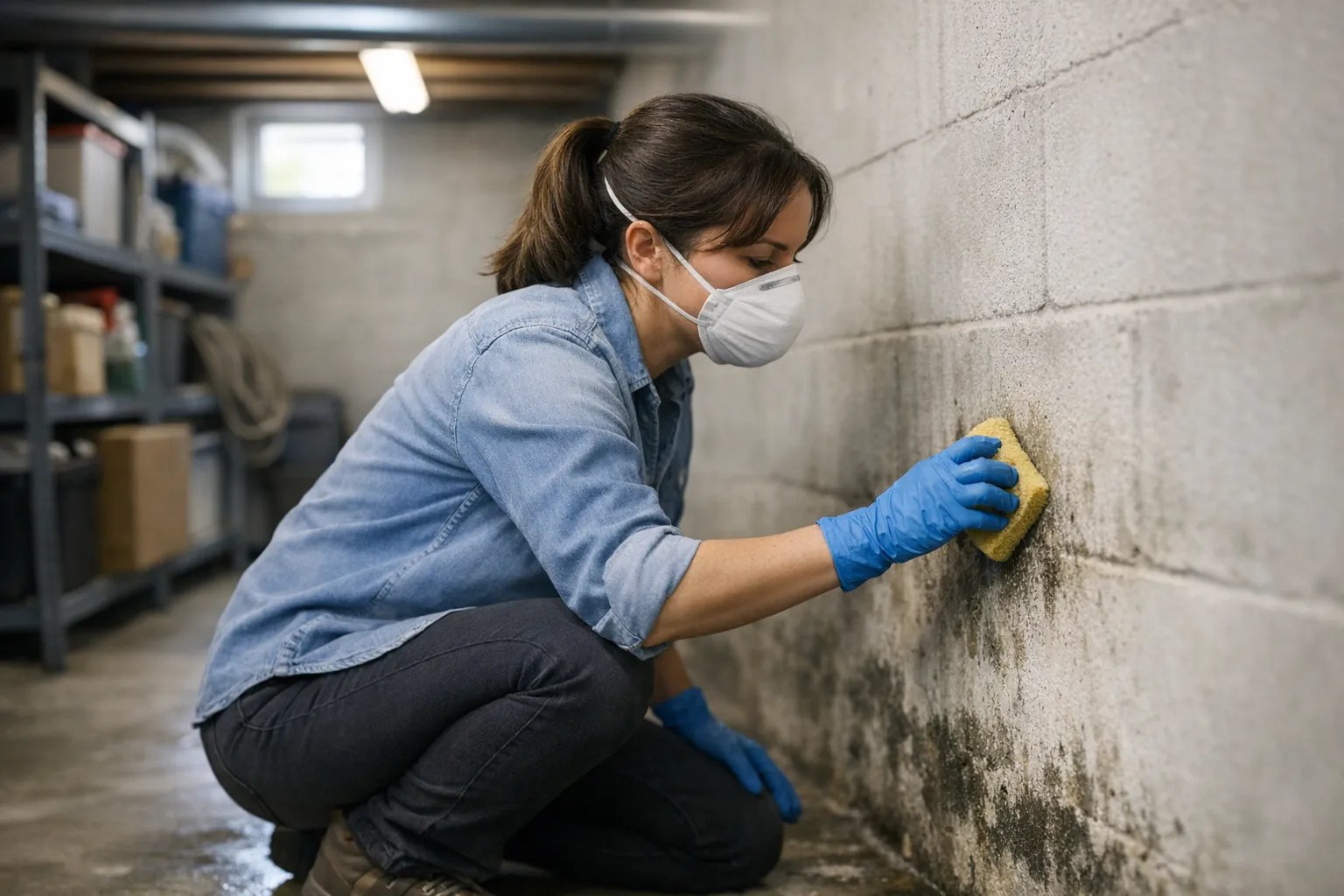
Basements and crawl spaces top the list for mold prevention during spring cleaning. These areas collect moisture from ground seepage, poor ventilation, and temperature fluctuations.
Check for water stains on walls and floors. Look behind stored items, around water heaters, and near foundation walls where condensation commonly occurs.
Remove any items showing signs of mold or mildew immediately. Clean hard surfaces with a mixture of one cup bleach to one gallon of water, wearing protective equipment.
Bathroom Deep Clean
Bathrooms generate massive amounts of moisture that feeds mold growth year-round. Your spring cleaning should address both visible and hidden moisture problems.
Scrub tile grout with an old toothbrush and mold-killing cleaner. Replace any grout that appears black or feels soft to the touch.
Check caulking around tubs, showers, and sinks for gaps or deterioration. Remove and replace damaged caulk to prevent water intrusion behind walls.
Kitchen Moisture Control
Kitchen moisture comes from cooking, dishwashing, and appliance operation. Focus your cleaning efforts on areas where water and steam accumulate.
Clean behind and under appliances where spills and condensation create hidden moisture pockets. Pay attention to areas around the dishwasher, refrigerator, and sink.
Inspect cabinet interiors under sinks for water damage or plumbing leaks. Replace any warped shelving or water-stained materials immediately.
Essential Spring Cleaning Tasks for Mold Prevention
Your spring cleaning checklist should include specific tasks that eliminate moisture sources and improve air circulation throughout your home.
Start with tasks that address the most common mold triggers: excess humidity, poor ventilation, and organic material accumulation.
- Clean and inspect HVAC systems – Replace filters, clean ducts, and check for condensation buildup
- Test and repair ventilation fans – Ensure bathroom and kitchen fans move air effectively outside
- Clear gutters and downspouts – Remove debris that causes water backup near foundation walls
- Inspect roof and attic spaces – Look for leaks, damaged insulation, or ventilation problems
- Clean dryer vents thoroughly – Remove lint buildup that creates moisture and fire hazards
- Wash all textiles – Clean curtains, rugs, and upholstery that may harbor mold spores
Humidity Control Strategies
Mold prevention requires maintaining indoor humidity levels between 30-50% year-round. Spring weather can push humidity higher, creating conditions mold needs to thrive.
Use dehumidifiers in basements, laundry rooms, and other high-moisture areas. Empty collection tanks daily and clean units according to manufacturer instructions.
Open windows strategically when outdoor humidity is lower than indoor levels. Monitor weather conditions to avoid introducing more moisture into your home.
Improve Air Circulation
Stagnant air allows moisture to accumulate in corners, closets, and storage areas. Your spring cleaning should focus on improving airflow throughout the house.
Move furniture away from exterior walls to allow air circulation behind large pieces. Clean dust from ceiling fans and ensure they rotate in the correct direction for the season.
Remove clutter from closets and storage areas. Overcrowded spaces restrict air movement and create microclimates where mold can develop unnoticed.
Natural Cleaning Solutions That Fight Mold
White vinegar kills 82% of mold species without toxic fumes that commercial cleaners produce. Spray undiluted white vinegar on hard surfaces and let sit for one hour before wiping clean.
Baking soda absorbs moisture and odors while providing gentle abrasive action for scrubbing. Mix four tablespoons of baking soda with one quart of water for an effective cleaning solution.
Tea tree oil acts as a natural fungicide and mold preventer. Add two teaspoons of tea tree oil to two cups of water in a spray bottle for ongoing mold prevention.
When to Call Professionals
Some mold situations exceed what homeowners can safely handle during routine spring cleaning. Professional intervention becomes necessary when mold covers large areas or affects structural materials.
Call professionals immediately if you discover mold covering more than 10 square feet of surface area. Large infestations require specialized equipment and containment procedures.
Water damage from leaks, floods, or plumbing failures often leads to hidden mold growth behind walls or under flooring. Professional assessment can determine the extent of contamination and necessary remediation steps.
Choosing Qualified Mold Remediation Services
Look for certified mold remediation professionals who follow industry standards for safe removal and prevention. Check credentials, insurance coverage, and customer reviews before hiring any service provider.
Compare quotes from multiple companies to understand the scope of work required. Reputable professionals provide detailed assessments and remediation plans before starting work.
Verify that contractors follow proper containment procedures and use appropriate safety equipment. Improper remediation can spread mold spores throughout your home.
Seasonal Maintenance Schedule
Effective mold prevention extends beyond spring cleaning into year-round maintenance habits. Create a seasonal schedule that addresses moisture control and ventilation needs.
Spring tasks should focus on winter moisture damage assessment and ventilation system preparation. Summer maintenance emphasizes humidity control and air conditioning system care.
Fall preparation includes gutter cleaning, exterior sealing, and heating system inspection. Winter monitoring watches for condensation problems and ventilation adequacy.
Red Flags That Indicate Professional Help
Musty odors that persist after thorough cleaning indicate hidden mold growth that requires professional investigation. These odors often come from mold behind walls, under flooring, or in HVAC systems.
Health symptoms like respiratory irritation, headaches, or allergic reactions that worsen indoors suggest mold exposure. Professional air quality testing can identify contamination sources.
Recurring mold growth in the same locations points to underlying moisture problems that need professional diagnosis and correction.
Prevention Tips for Long-Term Success
Monitor humidity levels with digital hygrometers placed in basements, bathrooms, and other moisture-prone areas. Take action when readings consistently exceed 50% relative humidity.
Address water leaks immediately, no matter how small they appear. Even minor drips can create enough moisture for mold growth within 24-48 hours.
Maintain proper ventilation habits year-round by running exhaust fans during and after showers, cooking, and laundry activities.
Conclusion
Effective spring cleaning prevents mold growth by targeting moisture sources, improving ventilation, and maintaining proper humidity levels throughout your home. Focus your efforts on high-risk areas like basements, bathrooms, and kitchens where water and humidity naturally accumulate.
Regular maintenance and prompt attention to water problems keep minor issues from becoming major mold infestations that require professional remediation.
When mold problems exceed your ability to handle safely, find qualified mold remediation professionals at https://restorationlocator.com to restore your home’s safety and air quality.