
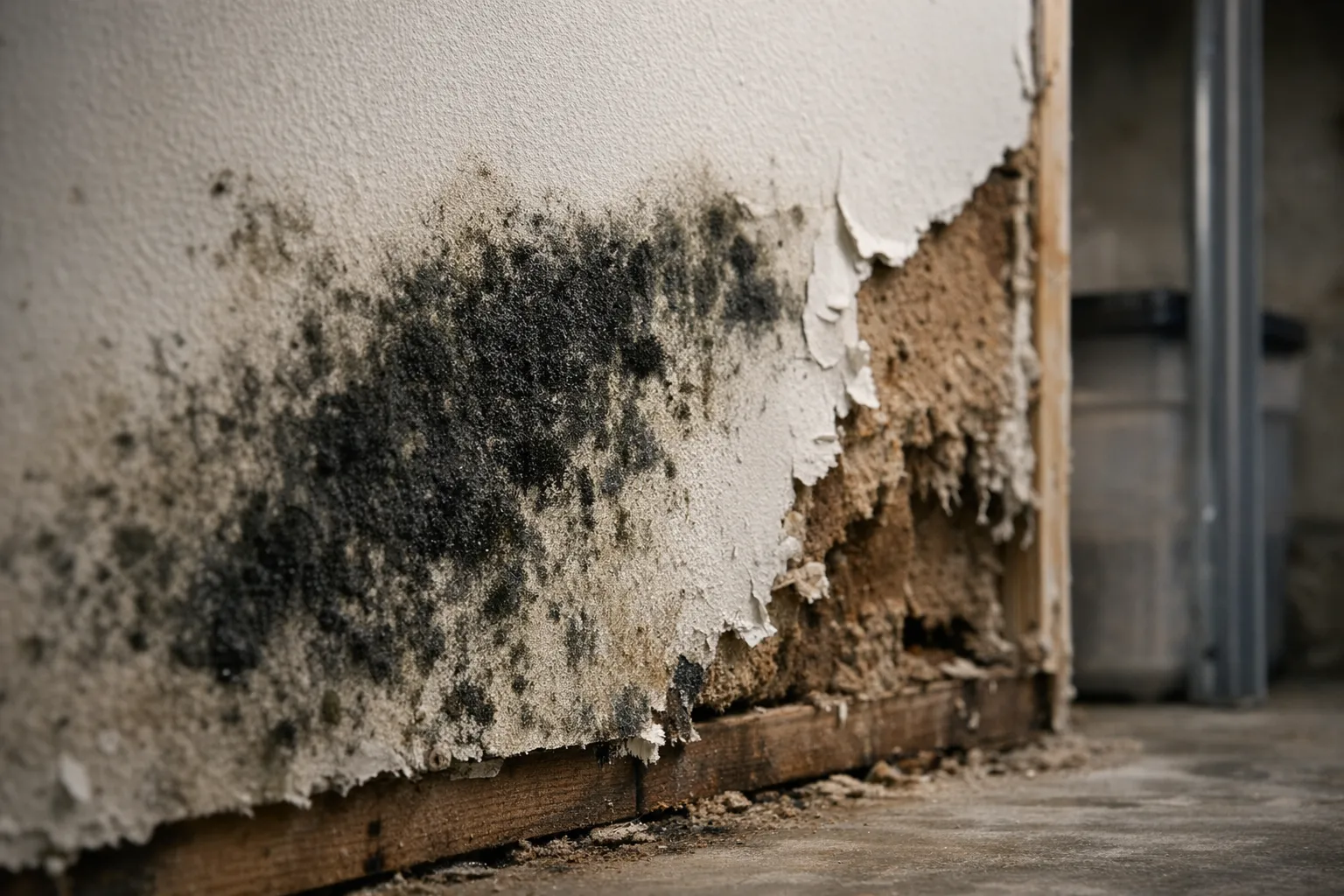
Different types of mold can establish colonies throughout your home, each with distinct characteristics and health risks. Understanding these varieties helps you identify potential problems and take appropriate action.
This guide examines the six most common household mold species. You’ll learn to recognize their appearance, understand their preferred environments, and assess their health implications.
The Six Most Common Types of Mold in Residential Properties
Residential properties harbor numerous mold species, but six varieties account for the majority of indoor infestations. Each species thrives in specific conditions and presents unique identification markers.
Aspergillus
Aspergillus represents the most widespread indoor mold genus. This species appears in various colors including green, yellow, brown, and black depending on the specific strain.
Common locations include air conditioning systems, dust, and powdery food items. Aspergillus grows rapidly in environments with minimal moisture requirements compared to other species.
Health concerns range from allergic reactions to respiratory infections. Immunocompromised individuals face heightened risks from Aspergillus exposure.
Penicillium
Penicillium displays a distinctive blue-green color with a velvety texture. This species commonly colonizes water-damaged materials like wallpaper, carpeting, and insulation.
The mold releases spores easily, spreading quickly through air circulation systems. Penicillium thrives in cooler temperatures compared to other home mold varieties.
Exposure symptoms include sinus infections, lung inflammation, and allergic reactions. People with existing respiratory conditions experience more severe symptoms.
Stachybotrys Chartarum (Black Mold)
Stachybotrys chartarum produces the infamous “toxic black mold” that appears dark green to black. This species requires constant moisture and typically grows on cellulose-rich materials.
Common locations include drywall, paper, and wood following significant water damage. Black mold growth indicates serious moisture problems requiring immediate attention.
Health effects include severe respiratory symptoms, neurological problems, and immune system suppression. Professional removal is recommended for all black mold discoveries.
Cladosporium
Cladosporium appears olive-green to brown or black with a powdery or fabric-like texture. This species tolerates both warm and cool conditions, making it highly adaptable.
Growth occurs on textiles, wood surfaces, and around windows or doors. Cladosporium can grow in lower temperatures than most other species.
Respiratory issues, skin irritation, and eye problems result from exposure. This mold commonly triggers asthma attacks in sensitive individuals.
Alternaria
Alternaria displays a dark green to brown or black appearance with a woolly or cotton-like texture. This species grows both indoors and outdoors.
Indoor colonies develop in damp areas including showers, bathtubs, and below leaking sinks. Alternaria spreads rapidly once established.
Allergic reactions and asthma symptoms increase with Alternaria exposure. This species ranks among the most common allergens.
Fusarium
Fusarium appears pink, white, or reddish in color. This species grows on water-damaged materials and can survive in cooler temperatures.
Growth occurs on carpeting, wallpaper, and fabrics exposed to moisture. Fusarium can continue growing even in relatively dry conditions after initial establishment.
Skin infections, eye irritation, and respiratory symptoms develop from exposure. Fusarium can cause serious infections in immunocompromised people.
Where Different Mold Species Prefer to Grow
Understanding preferred growth environments helps predict where specific types of mold might develop. Each species targets different areas based on moisture levels, temperature, and available food sources.
High-Moisture Areas
- Bathrooms: Stachybotrys and Fusarium thrive near constant moisture sources
- Basements: Aspergillus and Penicillium colonize damp concrete and stored materials
- Kitchens: Alternaria grows around sinks, dishwashers, and refrigerators
- Laundry rooms: Multiple species target humid conditions from washing and drying
Moderate-Moisture Environments
Cladosporium adapts to moderate moisture levels, commonly appearing on window sills and door frames. This species also grows on textiles and upholstery in areas with elevated humidity.
Penicillium colonizes wallpaper, book bindings, and stored fabrics. These materials provide sufficient moisture and organic compounds for sustained growth.
Low-Moisture Areas
Aspergillus grows in dust accumulation areas including air ducts, stored clothing, and electronic equipment. This species requires minimal moisture compared to other varieties.
Food storage areas attract Aspergillus and Penicillium, particularly around grains, nuts, and dried goods. These molds can develop even with limited moisture availability.
Health Risks Associated with Different Mold Varieties
Health impacts vary significantly between mold species. Understanding these differences helps assess the urgency of remediation efforts.
Immediate Symptoms
- Respiratory irritation: Coughing, sneezing, and throat irritation occur within hours of exposure
- Eye and skin reactions: Redness, itching, and watery eyes develop quickly
- Headaches: Some species trigger headaches and concentration difficulties
- Fatigue: Exposure to multiple species can cause persistent tiredness
Long-Term Health Effects
Chronic exposure to certain species creates cumulative health problems. Stachybotrys exposure can lead to memory problems and severe respiratory conditions.
Aspergillus causes lung infections in immunocompromised individuals. These infections can become life-threatening without proper medical treatment.
Multiple species exposure increases allergy sensitivity. People develop reactions to molds they previously tolerated.
Professional Identification and Testing Methods
Accurate species identification requires professional testing methods. Visual identification alone cannot distinguish between similar-appearing species.
Air Sampling
Air sampling detects airborne spore concentrations and identifies specific species present. This method reveals hidden growth areas not visible during inspection.
Samples compare indoor and outdoor spore levels. Elevated indoor concentrations indicate active growth requiring investigation.
Surface Sampling
Surface sampling involves collecting material from suspected growth areas. Laboratory analysis identifies exact species and concentration levels.
This method works best for visible growth areas. Results guide targeted remediation strategies based on specific species characteristics.
Bulk Sampling
Bulk sampling removes portions of affected materials for analysis. This comprehensive method identifies species within building materials.
Results determine whether materials require replacement or cleaning. Some species penetrate materials requiring complete removal.
When to Call Professional Remediation Services
Certain situations require professional intervention regardless of mold species. Size, location, and health concerns determine the appropriate response level.
Immediate Professional Response Needed
- Black mold discovery: Stachybotrys requires specialized removal techniques
- Large affected areas: Growth covering more than 10 square feet needs professional treatment
- HVAC contamination: Mold in air systems spreads throughout properties
- Health symptoms: Persistent symptoms require immediate professional assessment
Professional Assessment Recommended
Multiple growth areas suggest widespread moisture problems requiring comprehensive evaluation. Professional assessment identifies all affected areas and underlying causes.
Recent flooding or significant water damage creates conditions for multiple species growth. Professional evaluation prevents incomplete remediation and recurring problems.
Understanding the various types of mold in homes empowers property owners to recognize problems early and respond appropriately. Each species presents unique characteristics, preferred environments, and health risks requiring specific approaches.
Professional identification and remediation protect both property and health. Don’t delay addressing mold problems regardless of the suspected species.
Browse qualified mold removal specialists at https://restorationlocator.com to connect with certified professionals in your area.