Post-disaster technology transforms how homeowners protect their properties after floods, fires, and storms strike. Smart sensors detect hidden moisture behind walls. Air quality monitors track toxic particles. Mobile apps send instant alerts when conditions change.
Modern IoT devices and monitoring applications create an early warning system for your damaged home. These tools catch problems before they become expensive disasters.
IoT Sensors Detect Hidden Water Damage After Floods
Water damage spreads invisibly through walls, floors, and ceilings after flooding events. Traditional methods miss 40% of moisture problems until mold appears or structures weaken.
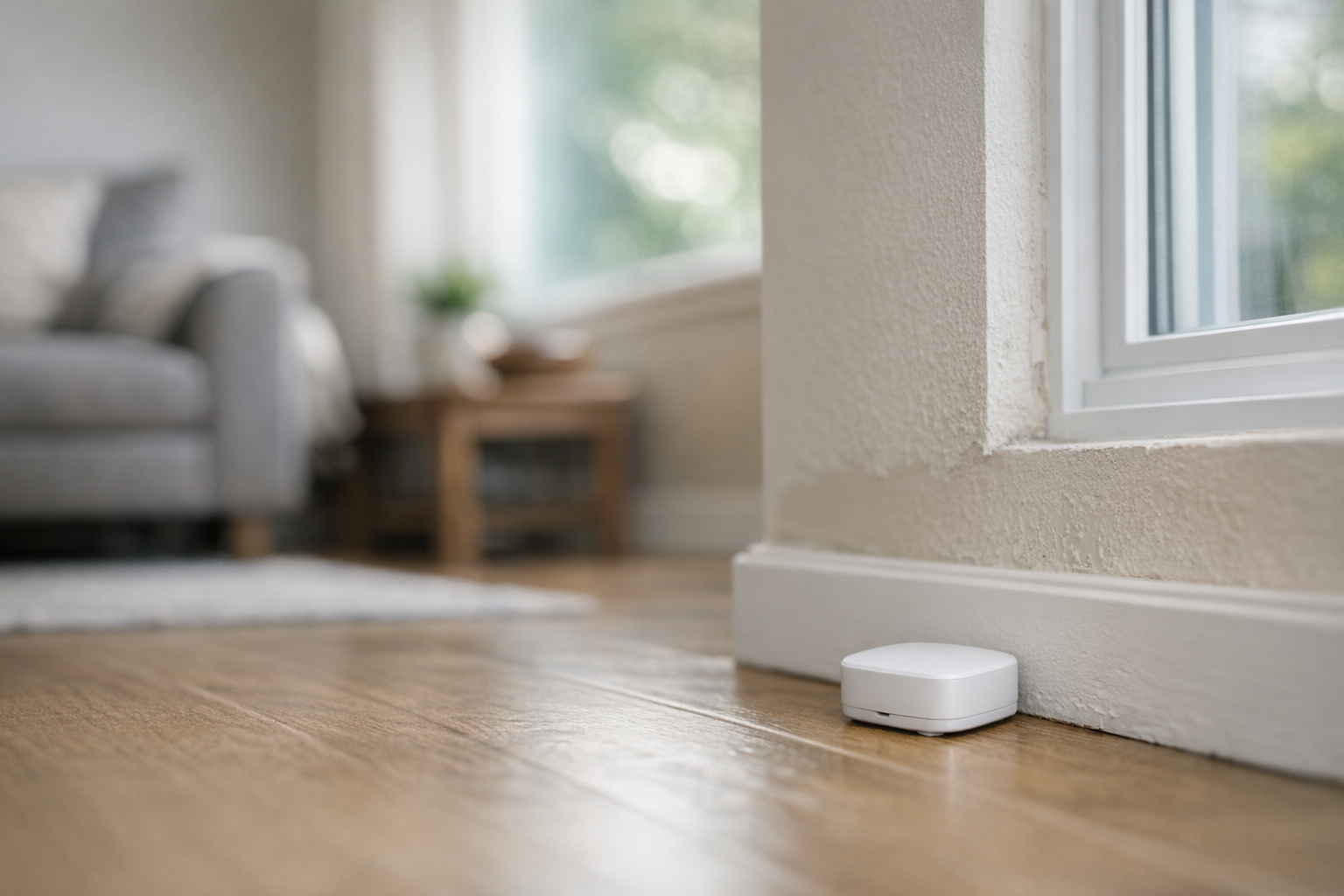
Wireless moisture sensors provide continuous monitoring in affected areas. These battery-powered devices transmit readings to your smartphone every 15 minutes. Place sensors behind drywall, under flooring, and inside wall cavities where restoration teams worked.
Professional-grade sensors like those used by restoration contractors measure moisture levels down to 0.1% accuracy. Home monitoring systems alert you when readings exceed safe thresholds, typically above 16% moisture content in wood materials.
Strategic Sensor Placement Points
- Adjacent to plumbing repairs made after the disaster
- Near exterior walls that experienced water intrusion
- Under replaced flooring materials
- Inside HVAC ducts damaged during the event
- Around window frames and door openings
Data from these sensors helps restoration professionals make informed decisions about drying progress. When searching for qualified contractors on restoration directories, filter by those experienced with moisture monitoring technology.
Air Quality Monitors Track Post-Disaster Health Hazards
Fires release volatile organic compounds that linger for months. Floods introduce bacteria, mold spores, and chemical contaminants into indoor air. Standard cleaning cannot eliminate all airborne threats.
Digital air quality meters measure specific contaminants in real-time. Advanced models detect formaldehyde from burned materials, particulate matter from smoke damage, and mold spore concentrations that indicate growing colonies.
Commercial-grade monitors used by restoration companies track multiple parameters simultaneously. These devices measure temperature, humidity, carbon monoxide, and volatile organic compounds with laboratory precision.
Critical Air Quality Parameters to Monitor
- PM2.5 particles: Should remain below 35 micrograms per cubic meter
- Volatile organic compounds: Safe levels under 0.3 mg per cubic meter
- Mold spore count: Indoor levels should not exceed outdoor baseline by more than 10%
- Carbon monoxide: Must stay below 9 parts per million over 8 hours
Restoration specialists rely on this data to determine when spaces are safe for occupancy. Check restoration provider reviews to find teams that use certified air quality testing equipment.
Structural Monitoring Apps Prevent Secondary Collapse
Weakened structures shift gradually after disasters. Foundation cracks widen. Load-bearing walls develop stress fractures. These changes occur slowly but can lead to sudden failures.
Smartphone applications now measure structural movement using device accelerometers and camera analysis. Apps like StructionSite and BuildingReports create baseline measurements immediately after disasters, then track changes over time.
Photogrammetry software converts regular photos into precise measurements. Take weekly pictures of cracks, separations, and damaged areas using the same angles. The app calculates movement down to millimeter precision.
Key Structural Elements to Document
- Foundation cracks and settlement patterns
- Wall separations at corners and joints
- Ceiling sag in areas with water damage
- Door and window frame distortion
- Roof line changes visible from ground level
This documentation proves valuable for insurance claims and helps restoration contractors prioritize repairs. Sort restoration listings by structural repair experience when selecting professional help.
Remote Security Cameras Protect Vacant Properties
Disaster-damaged homes sit empty during restoration work. These vacant properties attract theft, vandalism, and unauthorized entry. Traditional security companies often cannot install systems in partially destroyed buildings.
Battery-powered security cameras with cellular connectivity operate independently of damaged electrical systems. Solar panels extend operation indefinitely without grid power. Motion sensors trigger instant notifications to your mobile device.
Thermal imaging cameras detect human presence even in complete darkness. These devices identify intruders, spot animals entering damaged structures, and monitor contractor activity during authorized work hours.
Advanced systems integrate with restoration project management software. Contractors receive temporary access codes. Property owners monitor all activity through centralized dashboards.
Environmental Monitoring Systems Guard Against Future Disasters
Post-disaster technology includes predictive systems that warn about approaching threats. Weather stations, flood sensors, and earthquake detection networks provide advance notice for evacuation or protection measures.
Personal weather stations measure hyperlocal conditions around your property. These systems detect rapid barometric pressure changes that indicate severe storms. Rain gauges trigger alerts when precipitation reaches flood thresholds for your specific location.
Seismic monitoring devices detect earthquake activity and structural vibrations. These sensors distinguish between normal settling and potentially dangerous movement in rebuilt structures.
Automated Response Features
- Water main shutoffs when leak sensors activate
- HVAC system isolation during air quality emergencies
- Emergency lighting activation during power failures
- Automated notifications to restoration contractors
Integration with professional monitoring services provides 24/7 oversight when you cannot be present. Many restoration companies offer ongoing monitoring as part of their service packages.
Mobile Apps Coordinate Professional Response Teams
Disaster response requires coordination between multiple specialists. Insurance adjusters, restoration contractors, engineers, and utility workers must access current property conditions and progress reports.
Project management applications designed for restoration work centralize all monitoring data. Contractors view sensor readings, camera feeds, and environmental measurements through single interfaces. This coordination reduces response times and prevents miscommunication.
Real-time data sharing helps restoration teams make informed decisions about equipment deployment and work scheduling. Moisture readings determine when drying equipment can be removed. Air quality data confirms when spaces are ready for reconstruction.
These systems maintain detailed records for insurance documentation. Every sensor reading, photo, and measurement becomes part of the official restoration record.
Cost-Effective Technology Solutions for Homeowners
Professional monitoring equipment costs thousands of dollars. Homeowner-friendly alternatives provide similar capabilities at fraction of the price.
Consumer moisture meters cost $50-200 but offer reliability comparable to professional tools. Smartphone apps perform structural analysis using built-in cameras and sensors. Basic air quality monitors provide adequate detection for most residential applications.
Subscription monitoring services offer professional-grade oversight without equipment purchases. Monthly fees typically range from $30-100 depending on property size and monitoring complexity.
Budget-Friendly Monitoring Options
- WiFi moisture sensors: $25-75 per unit
- Air quality monitors: $100-300 for comprehensive models
- Security cameras: $50-200 per camera with cloud storage
- Weather stations: $150-400 for complete systems
- Mobile monitoring apps: $10-50 per month subscription
Many restoration contractors provide temporary monitoring equipment during active projects. Ask about technology offerings when comparing restoration services in your area.
Integration with Insurance and Claims Management
Insurance companies increasingly accept digital monitoring data as evidence for claims processing. Continuous sensor readings document the extent of damage and effectiveness of restoration efforts.
Automated reporting systems generate daily summaries of property conditions. These reports satisfy insurance requirements for progress documentation. Time-stamped photos and measurements provide indisputable evidence of restoration work quality.
Blockchain-based systems create tamper-proof records of all monitoring data. This technology prevents disputes about when damage occurred or how effectively repairs were completed.
Some insurance providers offer premium discounts for properties with comprehensive monitoring systems. These systems reduce claim costs by enabling faster response to secondary damage.
Technology transforms post-disaster recovery from reactive crisis management into proactive property protection. IoT sensors, monitoring apps, and automated systems provide early warning capabilities that prevent minor issues from becoming major disasters. Smart homeowners combine these tools with qualified restoration professionals for comprehensive property protection.
Browse disaster cleanup and restoration listings on https://restorationlocator.com to find technology-equipped contractors in your area. Start your search today to connect with restoration professionals who use advanced monitoring systems.