
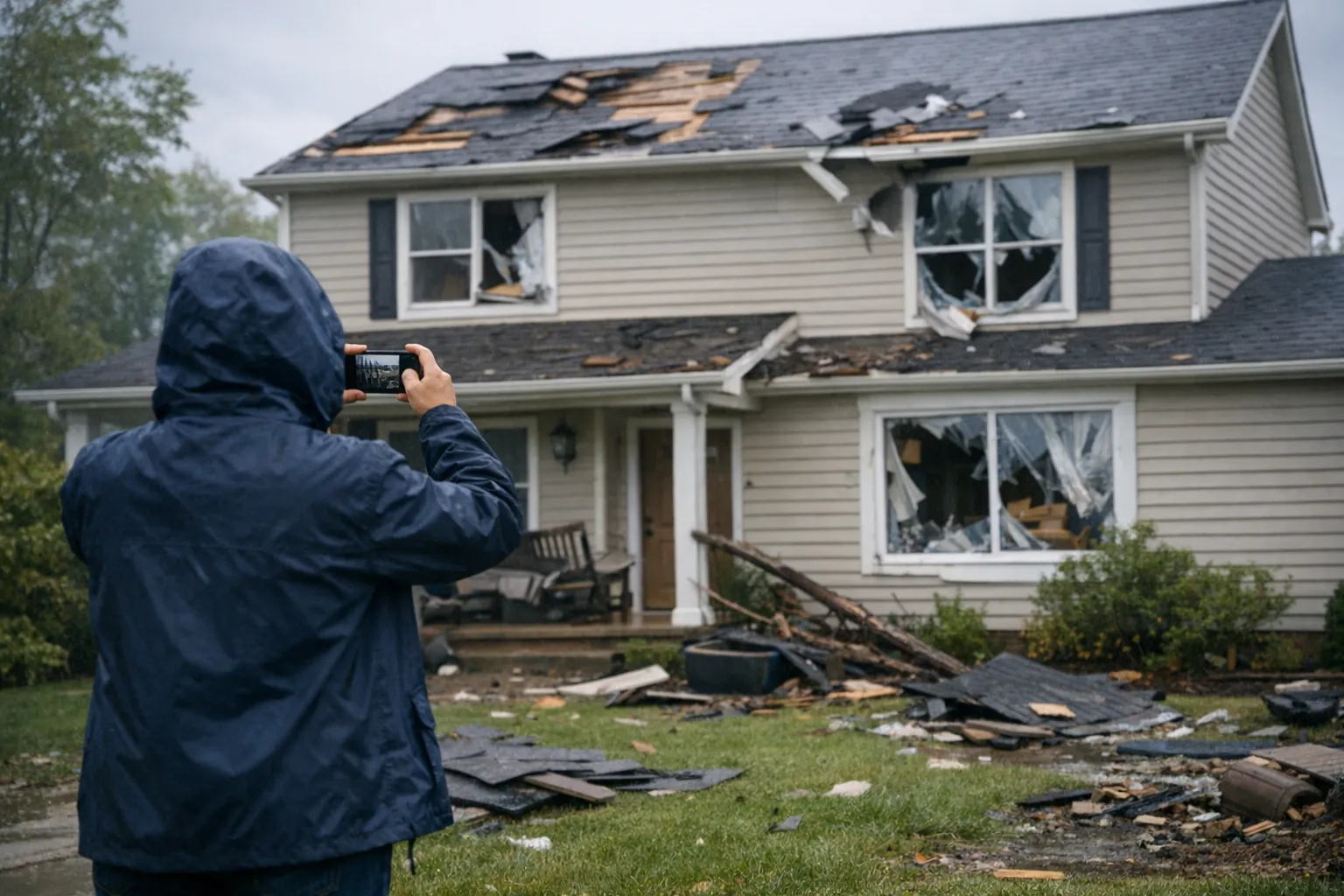
Spring storms bring powerful winds, hail, and flooding that can damage your property in minutes. Filing spring storm insurance claims requires quick action and proper documentation to secure the coverage you deserve.
Understanding the claims process before disaster strikes helps you respond effectively when time matters most. This guide covers each step from initial damage assessment through claim resolution.
Immediate Steps After Spring Storm Damage
Safety comes first after any storm event. Do not enter damaged structures until you confirm they are stable and free from electrical hazards.
Contact emergency services if you discover gas leaks, electrical damage, or structural instability. These issues require immediate professional attention before you begin documenting damage.
Once safety is confirmed, start your damage assessment immediately. Insurance companies expect prompt notification, typically within 24-48 hours of the incident.
Document Everything With Photos and Video
Take comprehensive photos and video of all visible damage before moving or cleaning anything. Capture wide shots showing the full scope of damage and close-ups highlighting specific problems.
Include these key areas in your documentation:
- Exterior damage: Roof, siding, windows, gutters, and landscaping
- Interior damage: Water stains, ceiling damage, flooded areas, and damaged belongings
- Personal property: Furniture, electronics, clothing, and other damaged items
- Structural issues: Cracks, warped floors, or compromised walls
Date and time stamp all documentation. Many smartphones automatically include this metadata, which proves when damage occurred.
Filing Your Spring Storm Insurance Claims
Contact your insurance company within 24 hours of discovering damage. Most insurers operate 24/7 claim hotlines for storm-related incidents.
Prepare this information before calling your insurer:
- Policy number and coverage details
- Date and time of the storm
- Brief description of damage types
- Contact information for reaching you
- Temporary address if your home is uninhabitable
Request a claim number during your initial call. Use this number for all future correspondence with your insurance company.
Understanding Your Coverage Types
Spring storms can trigger multiple types of coverage within your homeowner’s policy. Wind damage typically falls under your standard policy, while flood damage requires separate flood insurance.
Hail damage often qualifies for full replacement cost coverage if your policy includes this provision. Review your policy documents or ask your agent about specific coverage limits.
Some policies include additional living expenses if storm damage makes your home temporarily uninhabitable. This coverage pays for hotel stays and meals during repairs.
Working With Insurance Adjusters
Your insurance company assigns an adjuster to evaluate your claim and determine coverage. The adjuster contacts you within 48-72 hours to schedule an inspection.
Prepare for the adjuster visit by organizing your documentation and creating a written inventory of damaged items. Include purchase dates, original costs, and current replacement values when possible.
Walk through the property with your adjuster, pointing out all damage areas. Ask questions about coverage decisions and request explanations for any denied items.
Getting Independent Damage Assessments
Consider hiring a public adjuster or independent contractor for a second opinion on extensive damage. These professionals understand construction costs and insurance requirements.
Public adjusters work on your behalf to maximize claim settlements. They charge a percentage of your settlement but may secure higher payouts than you could obtain alone.
Independent contractors can provide repair estimates that support your claim value. Multiple estimates strengthen your position during negotiations.
Choosing Restoration Professionals
Spring storm damage often requires immediate action to prevent secondary problems like mold growth or structural deterioration. Choose restoration professionals with storm damage experience and proper licensing.
Verify contractor credentials before signing any agreements. Licensed professionals carry insurance and follow local building codes for repairs.
Get written estimates from multiple contractors before selecting one. Compare scope of work, materials, and timelines along with pricing.
Red Flags to Avoid
Storm-chasing contractors often canvass neighborhoods after major weather events. Avoid contractors who:
- Knock on doors unsolicited immediately after storms
- Demand full payment upfront before starting work
- Lack proper licensing or insurance documentation
- Pressure you to sign contracts immediately
- Offer to pay your insurance deductible
Legitimate restoration companies provide references, detailed contracts, and reasonable payment schedules. They also communicate directly with your insurance adjuster when needed.
Common Spring Storm Damage Types
Spring storms create specific damage patterns that require targeted documentation and repair approaches. Understanding these helps you identify all potential claim items.
Wind and Hail Damage
Roof damage from wind and hail may not be immediately visible from ground level. Look for missing shingles, dented gutters, or granules in downspouts.
Siding damage appears as cracks, holes, or dents on exterior walls. Vinyl siding cracks in cold weather, while aluminum dents from hail impact.
Window damage ranges from obvious breaks to small chips that compromise structural integrity. Document all glass damage regardless of size.
Water and Flood Damage
Water damage spreads quickly through porous materials like drywall, insulation, and flooring. Even minor leaks can cause extensive hidden damage.
Check for water stains on ceilings and walls that indicate roof leaks. Musty odors suggest moisture problems in hidden areas.
Basement flooding requires immediate water removal to prevent mold growth. Document water levels and damaged items before cleanup begins.
Maximizing Your Claim Settlement
Thorough documentation and professional estimates help maximize your settlement amount. Keep detailed records of all expenses related to the storm damage.
Track these costs for potential reimbursement:
- Emergency repairs to prevent further damage
- Temporary housing expenses if applicable
- Storage costs for undamaged belongings
- Additional living expenses above normal costs
Submit supplemental claims for damage discovered during repairs. Hidden problems often emerge once contractors begin work.
Appealing Denied Claims
Insurance companies sometimes deny legitimate claims due to coverage misunderstandings or incomplete information. You have the right to appeal these decisions.
Request written explanations for all denied items. Review your policy language and gather additional evidence supporting your claim.
Consider hiring a public adjuster or attorney for complex disputes involving significant amounts. Professional representation often resolves disputes more effectively than individual efforts.
Preventing Future Storm Damage
Use claim proceeds to make improvements that reduce future storm vulnerability. Many insurance companies offer discounts for wind-resistant upgrades.
Impact-resistant shingles, reinforced garage doors, and storm shutters help protect against common spring storm damage. These investments often pay for themselves through reduced premiums and future claims.
Regular maintenance prevents minor issues from becoming major claims. Clean gutters, trim trees, and inspect roofing annually to identify potential problems.
Successfully managing spring storm insurance claims requires prompt action, thorough documentation, and professional guidance. Quick response and proper preparation help secure the coverage you need for complete recovery.
Find certified restoration professionals in your area who understand insurance requirements and storm damage repair. Browse disaster cleanup and restoration listings now to connect with qualified contractors near you.