
The Real Numbers Behind Professional vs DIY Mold Remediation Costs
Professional mold remediation costs between $1,500 and $9,000 for most homes, while DIY approaches typically run $200 to $800 in materials and equipment rental. However, these upfront numbers tell only part of the story when comparing professional vs DIY mold removal effectiveness.
The true cost calculation includes hidden factors that can turn an apparent DIY savings into a financial disaster. Professional remediation includes containment, air filtration, structural assessment, and guaranteed removal that DIY methods often miss.
Breaking Down Professional Mold Remediation Costs
Professional mold removal pricing depends on contamination size, location accessibility, and structural damage extent. Small bathroom jobs (under 10 square feet) start around $1,500, while whole-house remediation reaches $15,000 or more.
What Professional Services Include
Professional remediation covers comprehensive steps that DIY approaches cannot replicate:
- Air quality testing before and after treatment ($300-$600)
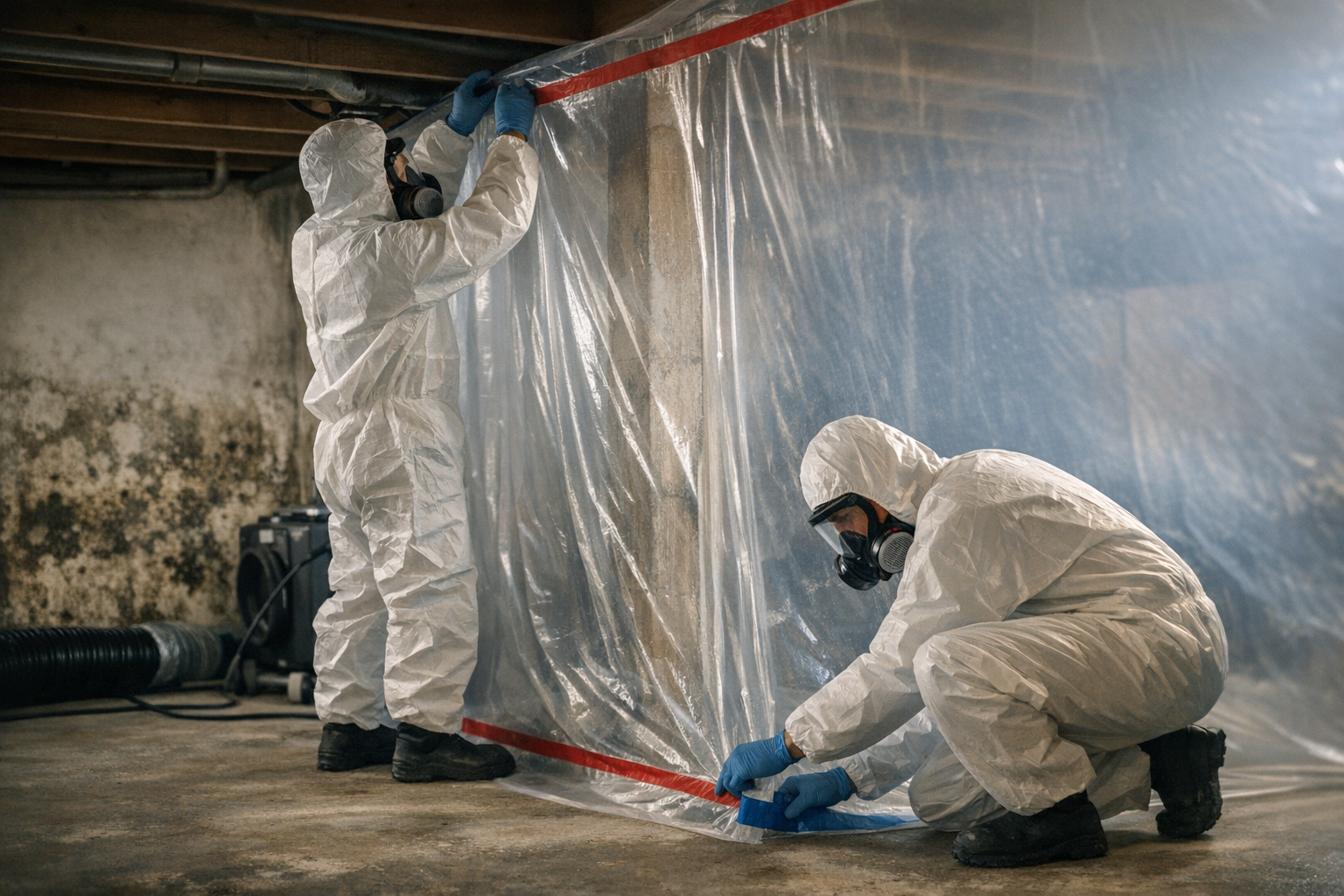
- Containment barriers to prevent spore spread ($500-$1,200)
- HEPA filtration systems during removal ($200-$400 per day)
- Structural moisture assessment using thermal imaging ($150-$300)
- Safe material disposal following EPA protocols ($300-$800)
- Post-remediation verification testing ($200-$500)
These services address root causes that DIY cleaning cannot detect or treat. Professional teams identify moisture sources behind walls and under flooring that fuel mold growth.
Regional Cost Variations
Professional mold remediation costs vary significantly by location. High-cost metropolitan areas see prices 30-50% above national averages, while rural areas often have limited provider options that affect pricing.
DIY Mold Removal: Hidden Costs and Limitations
DIY mold removal appears cost-effective at first glance, with basic supplies costing under $300 for small areas. However, incomplete removal often leads to recurring problems that exceed professional remediation costs.
DIY Equipment and Material Costs
Basic DIY mold removal requires specific equipment that homeowners rarely own:
- N95 or P100 respirators ($15-$40)
- Disposable protective suits ($20-$60)
- Antimicrobial cleaning solutions ($30-$80)
- Plastic sheeting for containment ($25-$50)
- HEPA vacuum rental ($40-$80 per day)
- Moisture meter ($50-$200 to purchase)
These costs add up quickly, reaching $500-$800 for proper equipment. Many homeowners skip containment or use inadequate protection, creating bigger problems.
The Recurrence Problem
DIY cleaning addresses visible mold but misses underlying moisture issues. Studies show that 60% of DIY mold treatments fail within six months because moisture sources remain unaddressed.
Recurring mold problems require repeated treatments, multiple equipment rentals, and potential property damage. The total cost often exceeds professional remediation after two failed attempts.
When DIY Makes Financial Sense
DIY mold removal works for specific scenarios where conditions limit professional advantages. Small surface areas under 10 square feet with known moisture sources qualify for DIY treatment.
Bathroom tile grout mold caused by poor ventilation represents an ideal DIY scenario. The moisture source is obvious, the area is contained, and proper ventilation prevents recurrence.
DIY Success Requirements
Successful DIY mold removal requires meeting strict conditions:
- Contaminated area under 10 square feet
- Surface-level growth only (no structural penetration)
- Known and fixable moisture source
- No underlying health conditions in household members
- Proper safety equipment and containment methods
Missing any requirement increases failure risk and potential health exposure. Most homeowners underestimate the containment and protection needed for safe DIY removal.
Professional vs DIY Mold: The Health Cost Factor
Health risks add significant hidden costs to DIY mold removal that rarely appear in financial calculations. Inadequate protection during DIY cleaning exposes family members to concentrated mold spores.
Professional remediation workers use fitted respirators, sealed suits, and controlled air systems that prevent exposure. DIY attempts with basic masks often increase household mold levels during cleaning.
Medical Costs from Exposure
Mold exposure during improper removal can trigger respiratory issues, allergic reactions, and asthma complications. Emergency room visits for breathing difficulties cost $1,500-$3,000 per incident.
Chronic exposure from incomplete removal leads to ongoing medical expenses that dwarf professional remediation costs. Allergy medications, respiratory treatments, and specialist visits add up over time.
Insurance Coverage: Professional vs DIY Approaches
Insurance coverage significantly affects the cost comparison between professional and DIY mold remediation. Most policies cover professional remediation when linked to covered water damage events.
DIY treatments rarely qualify for insurance reimbursement, even when addressing covered damage. Professional documentation and certification help support insurance claims that can offset remediation costs.
Documentation Requirements
Insurance companies require detailed documentation for mold claims:
- Pre-treatment air quality testing
- Moisture source identification
- Remediation protocol documentation
- Post-treatment verification testing
Professional services provide this documentation automatically, while DIY approaches lack the testing and certification that insurance requires.
Long-Term Property Value Impact
Professional mold remediation protects property values through documented treatment and clearance testing. Real estate transactions often stall when mold history lacks professional documentation.
DIY treatments create disclosure complications during home sales. Buyers frequently demand professional inspection and treatment verification, negating any initial DIY savings.
Professional remediation includes warranties and documentation that transfer to new owners. This transparency maintains property marketability and prevents sale complications.
Making the Cost-Effective Choice
The most cost-effective mold remediation choice depends on contamination scope, health risks, and long-term property goals. Professional services provide better value for problems exceeding 10 square feet or involving structural damage.
DIY approaches work for minor surface contamination with obvious moisture sources and no health complications. However, professional consultation helps determine whether DIY treatment addresses the full problem scope.
Factor in all costs including equipment, health risks, insurance coverage, and property value protection when comparing options. The cheapest upfront approach often becomes the most expensive over time.
Professional mold remediation delivers guaranteed results with health protection and property value preservation. Browse qualified disaster cleanup and restoration providers at https://restorationlocator.com to compare local options and get accurate cost estimates for your specific situation.