What Makes Biohazard Cleanup Different from Standard Cleaning
Biohazard cleanup involves removing dangerous biological materials that can transmit diseases or cause serious health problems. Blood, bodily fluids, sewage, and decomposition materials contain pathogens like hepatitis B, hepatitis C, and HIV that survive outside the human body for extended periods.
Standard cleaning companies lack the training and equipment to handle these materials safely. OSHA regulations require specialized certification for anyone handling potentially infectious materials. The wrong approach puts your family and future occupants at risk.
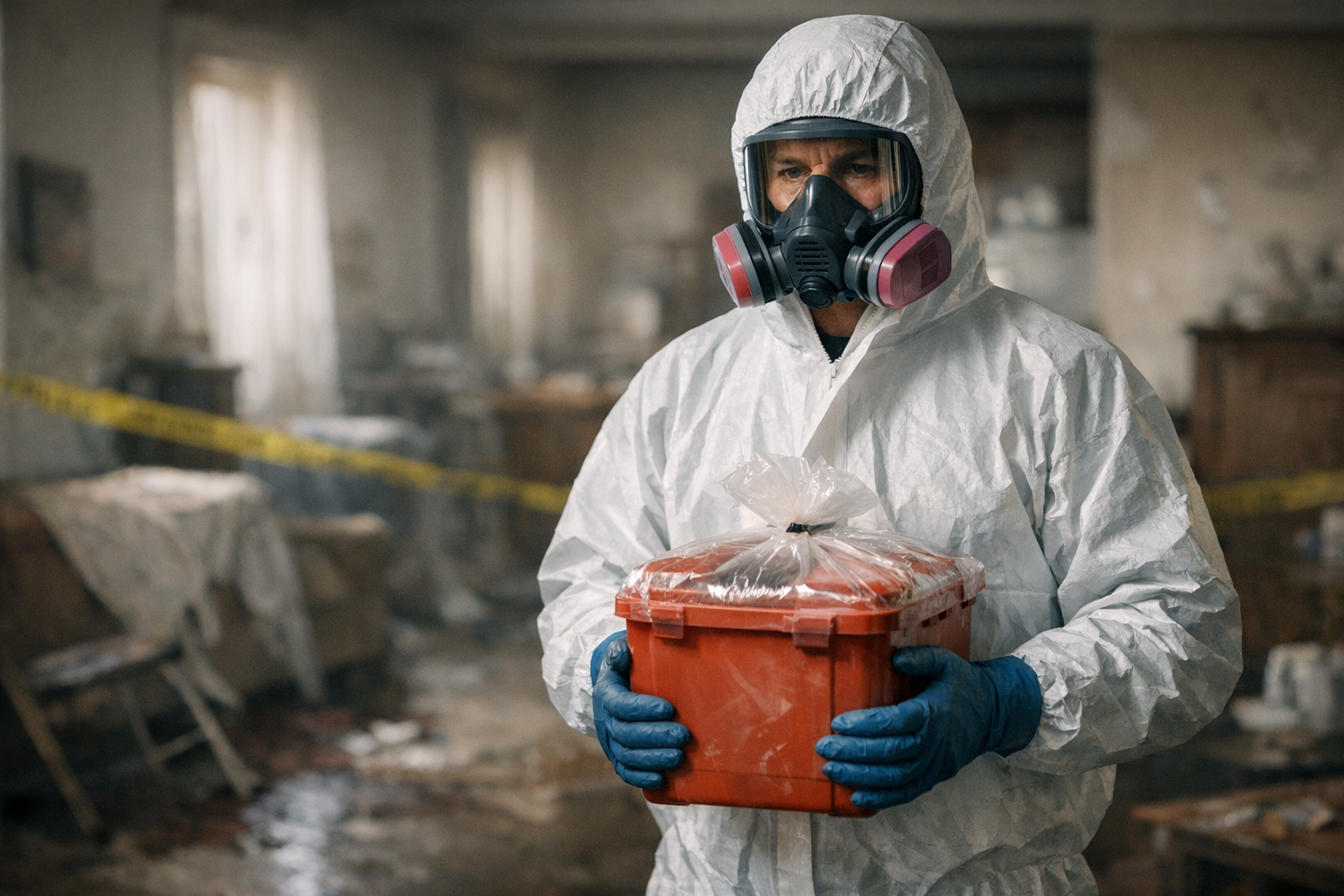
Crime scenes, unattended deaths, sewage backups, and medical emergencies create biohazards that demand immediate professional intervention. The cleanup process involves containment, decontamination, safe removal, and proper disposal at licensed facilities.
Safety Certifications and Training Requirements
OSHA Bloodborne Pathogen Standard certification represents the minimum qualification for biohazard cleanup technicians. This training covers exposure risks, protective equipment use, and emergency procedures when handling infectious materials.
Look for companies with additional certifications that demonstrate advanced expertise:
- IICRC Applied Microbial Remediation Technician (AMRT) – covers mold, bacteria, and virus remediation
- ABRA Certified Crime Scene Cleaners – specialized training for trauma scene cleanup
- DOT Hazardous Materials certification – required for transporting biohazardous waste
- EPA RRP certification – needed when cleanup involves lead-based paint disturbance
Companies should provide proof of current certifications and ongoing education records. Expired certifications indicate outdated knowledge of safety protocols and legal requirements.
Insurance and Bonding Verification
Biohazard cleanup companies must carry specialized liability insurance that covers biological contamination claims. Standard commercial policies exclude coverage for infectious disease transmission and contamination events.
Request certificates showing current coverage for pollution liability, professional liability, and workers’ compensation. Bonding protects you if the company fails to complete the job or causes additional damage during cleanup.
Equipment and Technology Standards
Professional biohazard cleanup requires specialized equipment that most restoration companies don’t possess. Hospital-grade disinfectants approved by the EPA for pathogen elimination form the foundation of effective decontamination.
Air filtration systems with HEPA filters capture airborne particles down to 0.3 microns, preventing contamination spread during cleanup. Negative air pressure machines create containment zones that protect unaffected areas.
Personal Protective Equipment Requirements
Technicians must wear full-body protective suits, respirators, and cut-resistant gloves during biohazard cleanup. Tyvek suits provide barrier protection against liquid penetration, while N95 or P100 respirators filter airborne pathogens.
Companies using basic cleaning supplies or inadequate protective gear expose themselves and your property to serious liability. Professional teams change PPE between contaminated zones and follow strict decontamination procedures.
Regulatory Compliance and Waste Disposal
Biohazardous waste requires special handling from collection through final disposal. DOT regulations govern transportation of medical waste, while state environmental agencies license treatment and disposal facilities.
Legitimate biohazard cleanup companies track waste manifests that document the chain of custody from your property to the licensed disposal facility. They provide copies showing your waste was properly incinerated or autoclaved.
Documentation and Chain of Custody
Professional companies photograph contaminated areas before, during, and after cleanup to document complete remediation. This documentation protects you from future liability claims and insurance disputes.
ATP testing measures biological contamination levels using scientific instruments rather than visual inspection alone. Clean surfaces should show ATP readings below 10 relative light units after proper decontamination.
Response Time and Availability
Biological contamination spreads rapidly and creates stronger odors over time. Professional biohazard cleanup companies offer 24/7 emergency response and can typically arrive within two hours of your call.
Delays allow bacteria and viruses to penetrate porous materials like wood subfloors and drywall, increasing removal costs and property damage. Some contamination becomes impossible to remediate after 48-72 hours.
Ask about guaranteed response times and backup crew availability. Companies serving large territories may struggle to provide prompt service during busy periods or multiple emergency situations.
Cost Factors and Insurance Coverage
Biohazard cleanup costs vary based on contamination extent, material types affected, and disposal requirements. Blood cleanup typically ranges from $3,000 to $10,000 for residential properties, while decomposition scenes can exceed $25,000.
Many insurance policies cover biohazard cleanup under dwelling coverage or additional living expenses. Homeowner’s insurance often pays for cleanup after covered perils like vandalism or accidental death.
Payment and Billing Practices
Reputable companies work directly with insurance adjusters and accept payment after claim approval. They provide detailed estimates breaking down labor, materials, disposal costs, and testing fees.
Avoid companies demanding full payment upfront or refusing to work with insurance providers. Emergency situations make property owners vulnerable to price gouging and fraudulent practices.
Selecting Qualified Providers Through Restoration Locator
Finding qualified biohazard cleanup professionals requires verifying certifications, insurance coverage, and equipment capabilities under extreme time pressure. Many companies claim biohazard expertise without proper training or equipment.
Use these filters when searching provider listings to identify qualified companies:
- Filter by biohazard cleanup services to eliminate general contractors
- Check certification listings for OSHA Bloodborne Pathogen training
- Sort by customer review scores focusing on safety and thoroughness
- Verify insurance coverage amounts meet your property value
- Confirm 24/7 emergency availability in your service area
Read recent reviews that mention specific biohazard situations like crime scenes, unattended deaths, or sewage contamination. Generic cleaning reviews don’t reflect biohazard cleanup competency.
Professional biohazard cleanup protects your family’s health and preserves your property value through proper decontamination and documentation. The right provider combines technical expertise with compassionate service during difficult circumstances.
Browse certified biohazard cleanup specialists in your area at https://restorationlocator.com to find qualified providers before an emergency occurs.