
What Disaster Insurance Actually Covers
When disaster strikes your property, understanding your disaster insurance coverage can mean the difference between full restoration and financial hardship. Most homeowners and business owners carry insurance policies without fully grasping what gets covered when cleanup and restoration become necessary.
Insurance coverage for disaster cleanup varies significantly based on your policy type, the cause of damage, and specific exclusions. This guide breaks down the coverage details you need to know before disaster strikes.
Types of Disaster Insurance Policies
Standard homeowner’s insurance policies cover specific types of disasters but exclude others. Understanding these distinctions helps you prepare for potential gaps in coverage.
Homeowner’s Insurance Coverage
Most homeowner’s policies cover sudden and accidental disasters. Fire damage, windstorm damage, and burst pipe cleanup typically fall under standard coverage.
Your policy usually covers both structural damage and contents damage. This includes walls, flooring, electrical systems, furniture, and personal belongings affected by covered disasters.
Flood Insurance Requirements
Standard homeowner’s policies exclude flood damage coverage. Flood insurance requires a separate policy through the National Flood Insurance Program or private insurers.
Flood policies cover rising water damage from storms, overflowing rivers, and inadequate drainage systems. The coverage applies to both structure and contents, though contents coverage requires separate election.
Commercial Property Insurance
Business properties need commercial coverage for disaster cleanup costs. These policies often include business interruption coverage for lost income during restoration.
Commercial policies may cover additional expenses like temporary relocation costs and expedited restoration to minimize business downtime.
Understanding Restoration Coverage Limits
Insurance policies set specific limits on disaster cleanup and restoration costs. These limits determine how much your insurer will pay for professional restoration services.
Dwelling Coverage Limits
Your dwelling coverage limit represents the maximum amount your insurer will pay for structural restoration. This amount should reflect your home’s full replacement cost, not its market value.
Many policies include extended replacement cost coverage. This provision pays above your dwelling limit if construction costs exceed expectations due to market conditions.
Contents Coverage Calculations
Contents coverage typically equals 50-70% of your dwelling coverage amount. Restoration coverage for damaged belongings falls under this limit.
High-value items like jewelry, art, and electronics may require separate scheduled coverage. Standard policies cap coverage for these items at low amounts.
What Disaster Insurance Covers for Cleanup
Professional disaster cleanup services fall under your policy’s covered expenses when the underlying cause meets your coverage criteria.
Water Damage Restoration
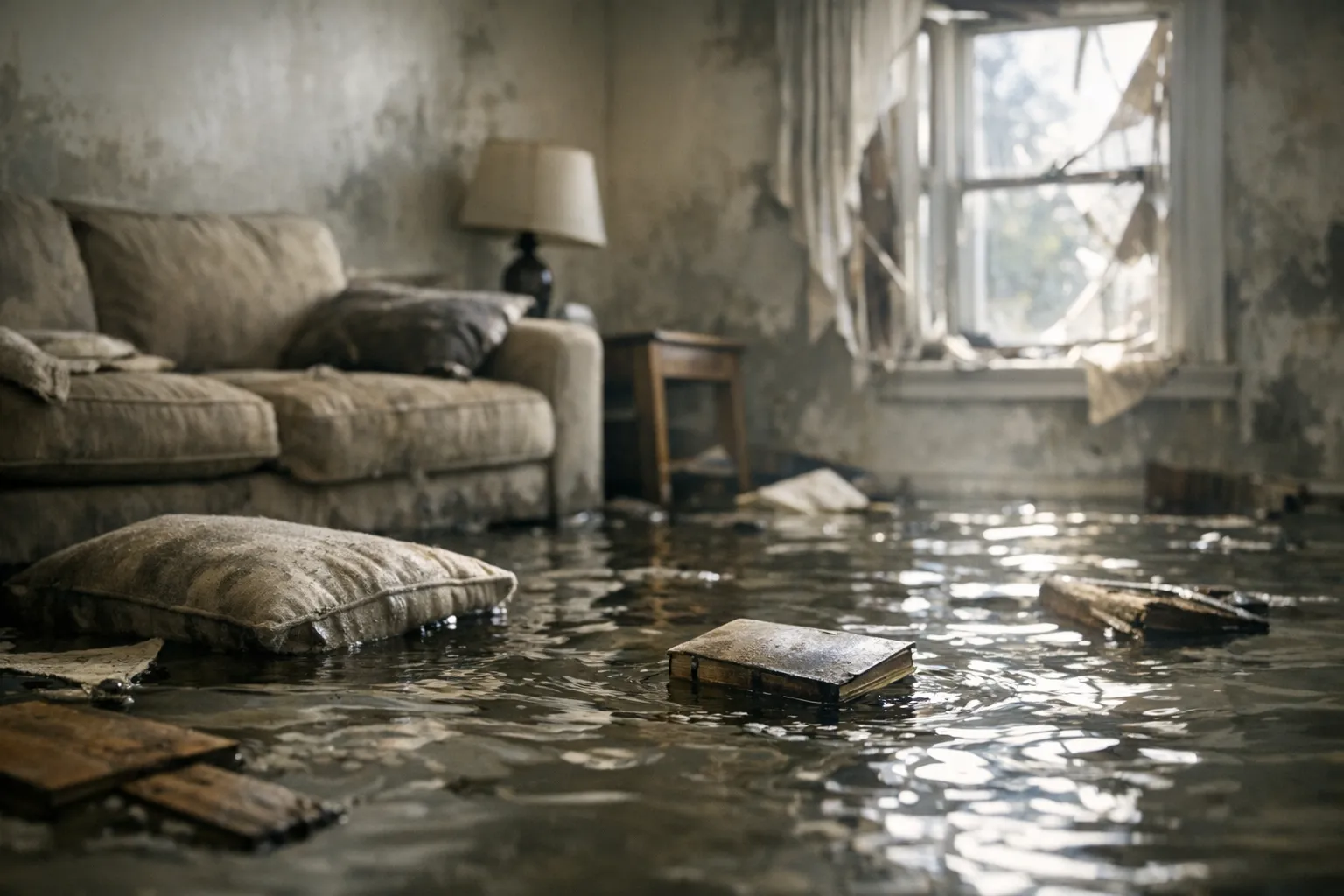
Water damage cleanup gets covered when caused by covered perils. Covered water damage sources include:
- Burst pipes and plumbing failures
- Roof leaks from storm damage
- Water damage from firefighting efforts
- Ice dam damage and frozen pipe breaks
- Appliance malfunctions causing water release
Coverage includes water extraction, structural drying, dehumidification, and mold prevention measures taken immediately after the loss.
Fire and Smoke Damage Cleanup
Fire damage restoration receives comprehensive coverage under most policies. This includes smoke damage cleanup, soot removal, and odor elimination throughout the property.
Coverage extends to secondary damage caused by firefighting efforts. Water damage from fire department operations gets covered as part of the fire loss.
Storm Damage Restoration
Wind, hail, and storm damage restoration falls under standard coverage. This includes roof repairs, window replacement, and cleanup of debris inside the structure.
Tree damage gets covered when storms cause trees to fall on structures. The policy covers both removal costs and resulting structural damage.
Common Coverage Exclusions
Understanding what your disaster insurance excludes prevents surprises during claims processing. These exclusions apply to most standard policies.
Gradual Damage Exclusions
Policies exclude damage that develops over time rather than occurring suddenly. Slow water leaks, gradual foundation settling, and long-term moisture problems don’t qualify for coverage.
Mold damage often gets excluded unless it results directly from a covered loss. Some policies provide limited mold coverage with specific dollar caps.
Maintenance-Related Damage
Damage resulting from poor maintenance or neglect receives no coverage. This includes damage from unmaintained roofs, clogged gutters, and ignored minor leaks.
Regular maintenance requirements may be specified in your policy. Failure to maintain your property can void coverage for related damage.
Earth Movement Exclusions
Standard policies exclude earthquake damage, landslides, and sinkholes. These perils require separate earthquake insurance or specific endorsements.
Ground settling, erosion, and other earth movement damage typically gets excluded regardless of the underlying cause.
Filing Claims for Disaster Cleanup
Proper claim filing ensures you receive full coverage for disaster cleanup and restoration costs. The process requires specific steps and documentation.
Immediate Steps After Disaster
Contact your insurance company immediately after discovering damage. Most insurers require prompt notification to maintain coverage eligibility.
Take photos of all damage before beginning cleanup. Document the damage thoroughly from multiple angles and distances.
Begin emergency mitigation to prevent further damage. Your policy requires you to protect the property from additional damage when possible.
Working with Restoration Contractors
Choose restoration contractors carefully when filing insurance claims. Some insurers maintain preferred vendor lists, while others allow you to select contractors independently.
Get written estimates from licensed restoration professionals. These estimates help support your claim and establish appropriate repair costs.
Coordinate between your contractor and insurance adjuster. This communication ensures all necessary work gets approved and covered properly.
Maximizing Your Coverage Benefits
Understanding your policy details helps you get full value from your disaster insurance coverage. Several strategies can improve your claim outcomes.
Policy Review and Updates
Review your coverage limits annually to ensure adequate protection. Construction costs and property values change over time, affecting your coverage needs.
Consider replacement cost coverage instead of actual cash value coverage. Replacement cost coverage pays full restoration costs without depreciation deductions.
Additional Living Expenses
Most policies include additional living expenses coverage when your home becomes uninhabitable. This coverage pays for temporary housing, meals, and other necessary expenses during restoration.
Keep detailed records of all additional expenses incurred. Submit receipts promptly to ensure reimbursement within your policy limits.
Choosing the Right Restoration Professional
Working with qualified restoration contractors protects both your property and your insurance coverage. The right professional ensures proper cleanup while supporting your claim process.
Look for contractors with proper licensing, insurance, and industry certifications. Certified professionals understand insurance requirements and documentation needs.
Verify contractor credentials and check customer reviews before hiring. Quality restoration work prevents future problems and ensures your property gets properly restored.
When searching for qualified restoration professionals in your area, you can filter listings by location, services offered, and customer ratings. This helps you find contractors experienced with your specific type of damage and familiar with local insurance requirements.
Understanding your disaster insurance coverage helps you make informed decisions when disaster strikes your property. Knowing what gets covered, excluded, and required for claims processing ensures you can act quickly to protect your property and maximize your benefits. Browse disaster cleanup and restoration listings now to find qualified professionals in your area before you need them.