
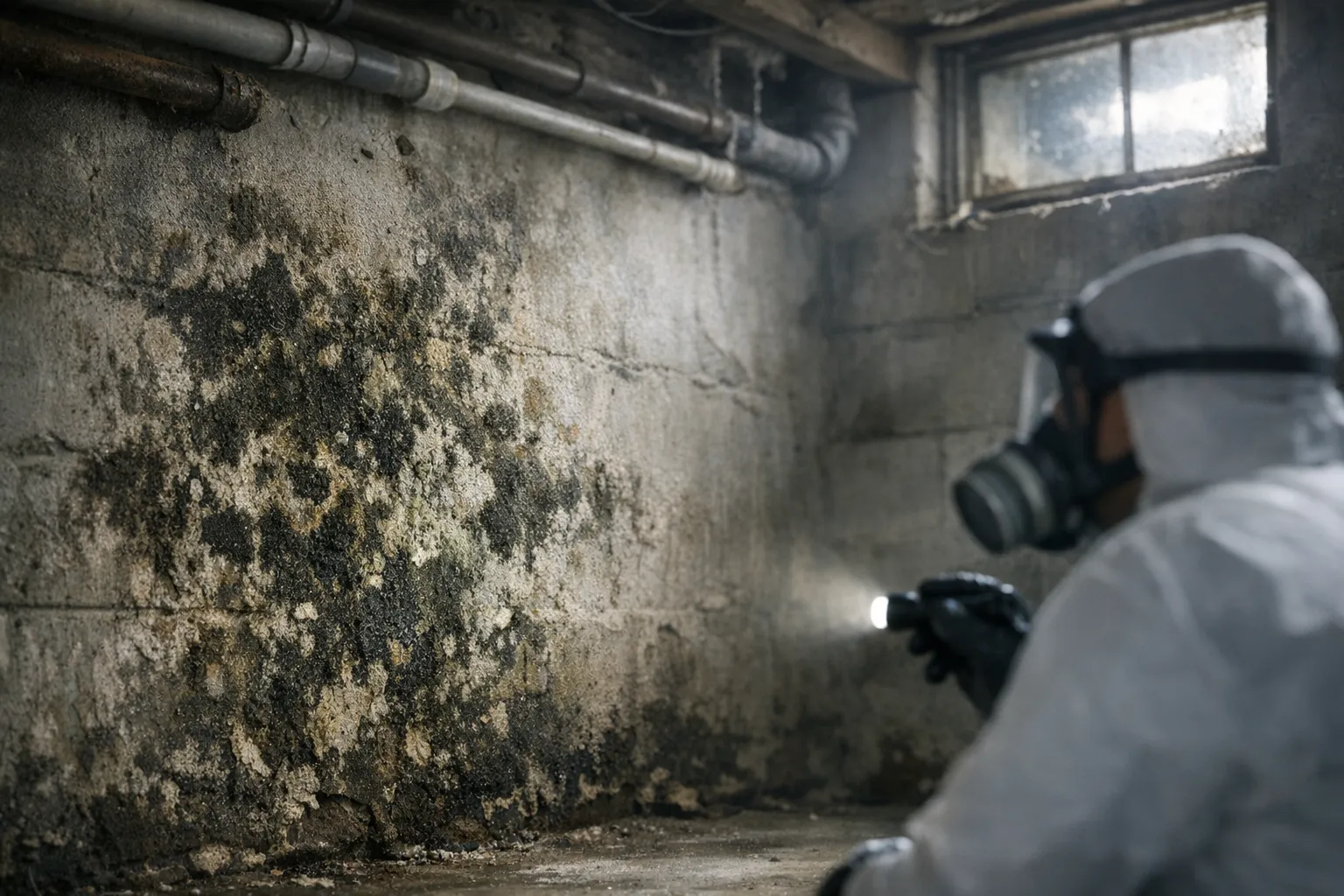
When Spring Weather Creates Perfect Mold Conditions
Spring brings warmer temperatures and increased humidity that create ideal conditions for mold growth in your home. The seasonal shift from winter heating to natural ventilation often traps moisture in unexpected places.
Professional mold remediation becomes necessary when home remedies fail or when health risks escalate. Knowing the warning signs helps you act before small problems become major disasters.
Clear Signs You Need Professional Mold Remediation
Several indicators demand immediate professional attention rather than DIY attempts. These signs often appear together and worsen quickly during spring months.
Size and Scope of Mold Growth
The EPA recommends professional help when mold covers more than 10 square feet. This threshold exists because large infestations require specialized equipment and containment procedures.
Multiple mold patches throughout your home also signal a systemic problem. Even small scattered areas often indicate widespread contamination behind walls or in HVAC systems.
Health Symptoms in Your Family
Persistent respiratory issues, headaches, or allergic reactions that worsen at home suggest mold exposure. Children and elderly family members typically show symptoms first.
New or worsening asthma symptoms during spring months often correlate with increased indoor mold levels. Professional testing can confirm the connection between symptoms and mold exposure.
Location of Mold Growth
Mold in HVAC systems spreads spores throughout your entire home with each air circulation cycle. This contamination pattern requires professional-grade equipment to address properly.
Basement mold often indicates structural moisture problems that DIY methods cannot resolve. Foundation issues or groundwater intrusion need comprehensive solutions.
Spring-Specific Mold Triggers That Require Professional Response
Seasonal conditions create unique mold challenges that homeowners cannot address with standard cleaning methods. Spring weather patterns intensify these problems rapidly.
Post-Winter Moisture Damage
Ice dams and winter roof leaks often reveal themselves as temperatures rise in spring. Water damage from these sources frequently leads to hidden mold growth inside wall cavities.
Basement flooding from snowmelt creates perfect conditions for rapid mold colonization. Professional water extraction and structural drying prevent this progression.
Increased Humidity and Poor Ventilation
Spring humidity levels between 60-80% support aggressive mold growth in poorly ventilated areas. Bathrooms, laundry rooms, and crawl spaces become particular problem zones.
Opening windows during humid spring days can actually increase indoor moisture levels. Professional assessment helps determine proper ventilation strategies for your specific situation.
Health Risks That Demand Immediate Professional Intervention
Certain mold exposures pose serious health risks that require immediate professional remediation. These situations should never be addressed with DIY methods.
Black Mold and Toxic Species
Stachybotrys chartarum (black mold) produces mycotoxins that cause severe respiratory and neurological symptoms. Professional identification and removal protects your family from dangerous exposure.
Aspergillus species can cause serious lung infections in people with compromised immune systems. Laboratory testing by professionals determines exact species and appropriate safety measures.
Vulnerable Family Members
Infants, elderly adults, and people with asthma or immune disorders face higher risks from mold exposure. Professional remediation ensures complete removal rather than temporary surface cleaning.
Pregnant women should avoid all mold exposure during remediation work. Professional containment procedures protect family members who cannot relocate during treatment.
When DIY Methods Have Failed
Repeated mold growth in the same locations indicates underlying moisture problems that cleaning cannot resolve. Professional remediation addresses root causes rather than surface symptoms.
Mold that returns within weeks of cleaning suggests inadequate removal or ongoing moisture issues. Professionals use moisture meters and thermal imaging to identify hidden problems.
Hidden Mold Behind Surfaces
Musty odors without visible mold often indicate growth behind walls or under flooring. Professional detection equipment locates these hidden colonies accurately.
Water stains on ceilings or walls frequently mask extensive mold growth in structural materials. Professional assessment determines the full extent before remediation begins.
Professional Mold Remediation Process
Professional mold remediation follows strict protocols that ensure complete removal and prevent cross-contamination. This systematic approach delivers results that DIY methods cannot match.
Assessment and Testing
Certified professionals conduct thorough visual inspections and air quality testing to determine contamination levels. This baseline data guides remediation strategies and success measurements.
Moisture mapping identifies all water sources contributing to mold growth. Addressing these sources prevents future recurrence after remediation.
Containment and Removal
Professional containment systems prevent mold spores from spreading during removal work. Negative air pressure and physical barriers protect uncontaminated areas.
HEPA filtration systems capture airborne spores throughout the remediation process. This equipment removes particles that standard household filters cannot trap.
Structural Repairs and Prevention
Professional services include necessary structural repairs to eliminate moisture sources. This comprehensive approach prevents mold from returning to treated areas.
Anti-microbial treatments applied to affected surfaces provide ongoing protection against new mold growth. These specialized products are not available for consumer use.
Choosing the Right Professional Help
Selecting qualified mold remediation professionals ensures effective treatment and protects your investment. Proper credentials and experience make significant differences in outcomes.
Required Certifications and Training
Look for technicians certified by the Institute of Inspection, Cleaning and Restoration Certification (IICRC). These professionals complete rigorous training in proper remediation techniques.
State licensing requirements vary, but many regions require specific mold remediation licenses. Verify that contractors hold appropriate local certifications before hiring.
Equipment and Methods
Professional-grade equipment includes industrial dehumidifiers, air scrubbers, and specialized cleaning solutions. This equipment removes mold more thoroughly than consumer products.
Established companies maintain insurance coverage that protects your property during remediation work. This protection is essential given the invasive nature of comprehensive mold removal.
Cost Considerations and Insurance Coverage
Professional mold remediation costs vary based on affected area size, contamination severity, and required structural repairs. Spring remediation often costs less than addressing advanced infestations later.
Many insurance policies cover mold remediation when it results from covered water damage events. Professional documentation helps support insurance claims effectively.
Prevention After Professional Treatment
Maintaining proper humidity levels between 30-50% prevents most mold growth after professional remediation. Dehumidifiers and improved ventilation systems support these targets.
Regular professional inspections during spring months catch new problems before they require major remediation. Early detection saves money and protects health.
Professional mold remediation protects your family’s health and your property value when spring conditions create serious contamination. Acting quickly when warning signs appear prevents small problems from becoming major disasters.
Browse certified mold remediation professionals in your area to compare credentials, reviews, and services. Start your search at https://restorationlocator.com today.