When DIY Home Restoration Makes Sense After Minor Disasters
DIY home restoration can be an effective approach for homeowners dealing with limited water damage, small mold patches, or minor fire damage. The decision between tackling repairs yourself or hiring professionals depends on the scope of damage, your skill level, and potential long-term consequences.
Small-scale disasters like burst pipes affecting one room, minor roof leaks, or smoke damage from kitchen fires often fall within the DIY-manageable category. These situations typically involve surface-level damage without structural compromise.
Best DIY Scenarios for Minor Disasters
Water damage covering less than 10 square feet represents the threshold most experts recommend for DIY restoration. Mold growth smaller than 3 feet by 3 feet also falls within homeowner capabilities using proper protective equipment.
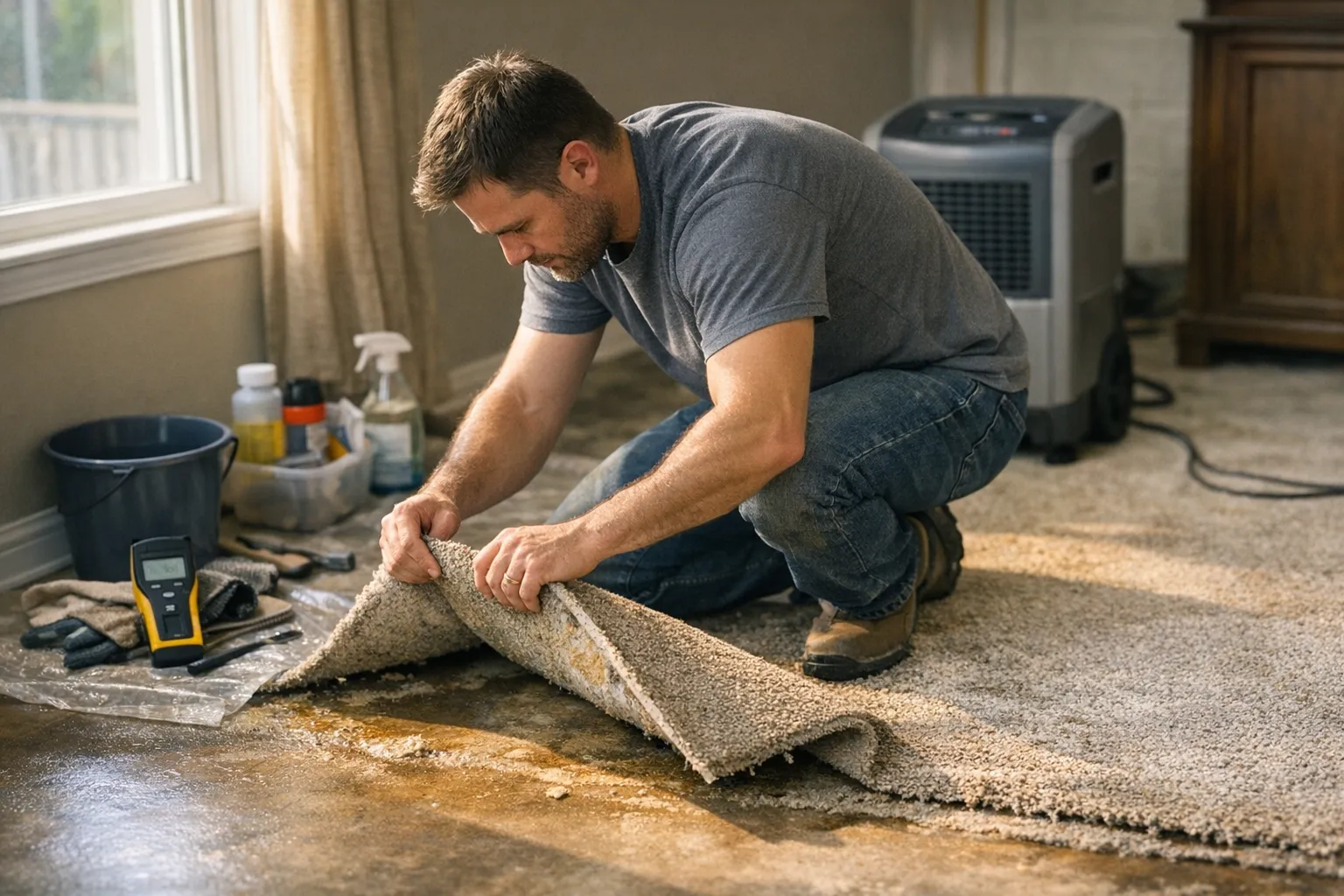
- Surface water damage: Wet carpet, soaked drywall limited to one small area
- Minor smoke damage: Odor removal and surface cleaning after small fires
- Small mold patches: Bathroom or basement mold covering less than 10 square feet
- Cosmetic fire damage: Paint discoloration, minor soot accumulation
The Cost Benefits of DIY Home Restoration
Homeowners can save 60-80% on restoration costs by handling minor disasters themselves. Professional water damage restoration typically costs $2,000-$7,000 per room, while DIY materials and equipment rental often total under $500.
Labor represents the largest expense in professional restoration. Removing wet materials, running dehumidifiers, and applying antimicrobial treatments requires time rather than specialized expertise for small areas.
Equipment and Material Costs
Most DIY restoration projects require basic equipment available at hardware stores. Rental costs for industrial dehumidifiers and air movers range from $40-80 per day.
- Dehumidifiers and fans: $50-100 rental per day
- Moisture meters: $25-50 purchase
- Antimicrobial solutions: $15-30 per gallon
- Replacement materials: $2-8 per square foot
Hidden Risks of DIY Restoration Work
Incomplete moisture removal leads to mold growth within 24-48 hours of water exposure. DIY efforts often miss hidden moisture in wall cavities, subfloors, and insulation spaces that professionals detect with thermal imaging and specialized meters.
Structural damage assessment requires professional expertise. What appears as minor water damage may indicate compromised framing, electrical hazards, or foundation issues that homeowners cannot safely evaluate.
Insurance Coverage Complications
Insurance companies may deny claims for additional damage resulting from improper DIY restoration. Failed moisture remediation that leads to extensive mold growth often exceeds original damage costs by 300-500%.
Documentation requirements for insurance claims include moisture readings, progress photos, and material disposal records. Professional restoration companies provide detailed reports that support claim approval.
When Professional Restoration Becomes Necessary
Category 2 and Category 3 water damage requires professional handling due to contamination risks. Sewage backups, flooding from external sources, and water mixed with chemicals pose health hazards beyond DIY safety measures.
Electrical systems affected by water present electrocution and fire risks. Licensed professionals can safely assess and restore electrical components damaged during flooding or storms.
Structural and Safety Concerns
Load-bearing walls, foundation damage, and compromised structural elements require engineering assessment. DIY restoration cannot address these critical safety issues that affect building integrity.
- Extensive water damage: Multiple rooms or structural water exposure
- Contaminated water: Sewage, chemical spills, or outdoor flooding
- Mold over 10 square feet: Large patches requiring containment procedures
- Electrical involvement: Outlets, panels, or wiring exposed to water
- HVAC contamination: Ductwork or equipment affected by water or mold
Time Investment and Skill Requirements
DIY restoration projects typically take 3-5 times longer than professional completion. A one-day professional job often requires 3-15 days for homeowners working evenings and weekends.
Proper restoration techniques require knowledge of building materials, moisture dynamics, and safety protocols. Mistakes during the restoration process can create larger problems than the original damage.
Learning Curve Considerations
First-time DIY restoration involves significant research and preparation time. Understanding moisture migration patterns, proper ventilation, and material compatibility prevents costly errors during the repair process.
Tool operation and safety procedures add complexity to DIY projects. Industrial equipment requires proper handling to avoid injury and achieve effective results.
Making the Right Choice for Your Situation
Evaluate damage scope using the 10-square-foot rule for water damage and 3×3-foot guideline for mold. Anything larger typically exceeds safe DIY limits and benefits from professional assessment.
Consider your available time, physical capability, and comfort level with construction tasks. Rushed DIY restoration often produces inadequate results that require professional correction.
Questions to Ask Before Starting DIY Restoration
Assessment of your specific situation helps determine the best approach. Professional consultation costs $100-300 and provides expert evaluation of damage scope and restoration requirements.
- Can I complete the work within 24-48 hours to prevent mold growth?
- Do I have access to proper equipment and safety gear?
- Will my insurance cover professional restoration costs?
- Are there hidden areas of damage I cannot assess?
Professional restoration companies offer guarantees and insurance coverage for their work. This protection provides peace of mind that DIY efforts cannot match, particularly for valuable properties.
The decision between DIY and professional restoration depends on damage scope, available resources, and acceptable risk levels. Minor disasters with surface-level damage often suit DIY approaches, while extensive or contaminated damage requires professional expertise.
When professional help becomes necessary, RestorationLocator.com connects you with qualified disaster cleanup and restoration providers in your area. Browse listings by location and specialty to find the right professional for your restoration needs.