
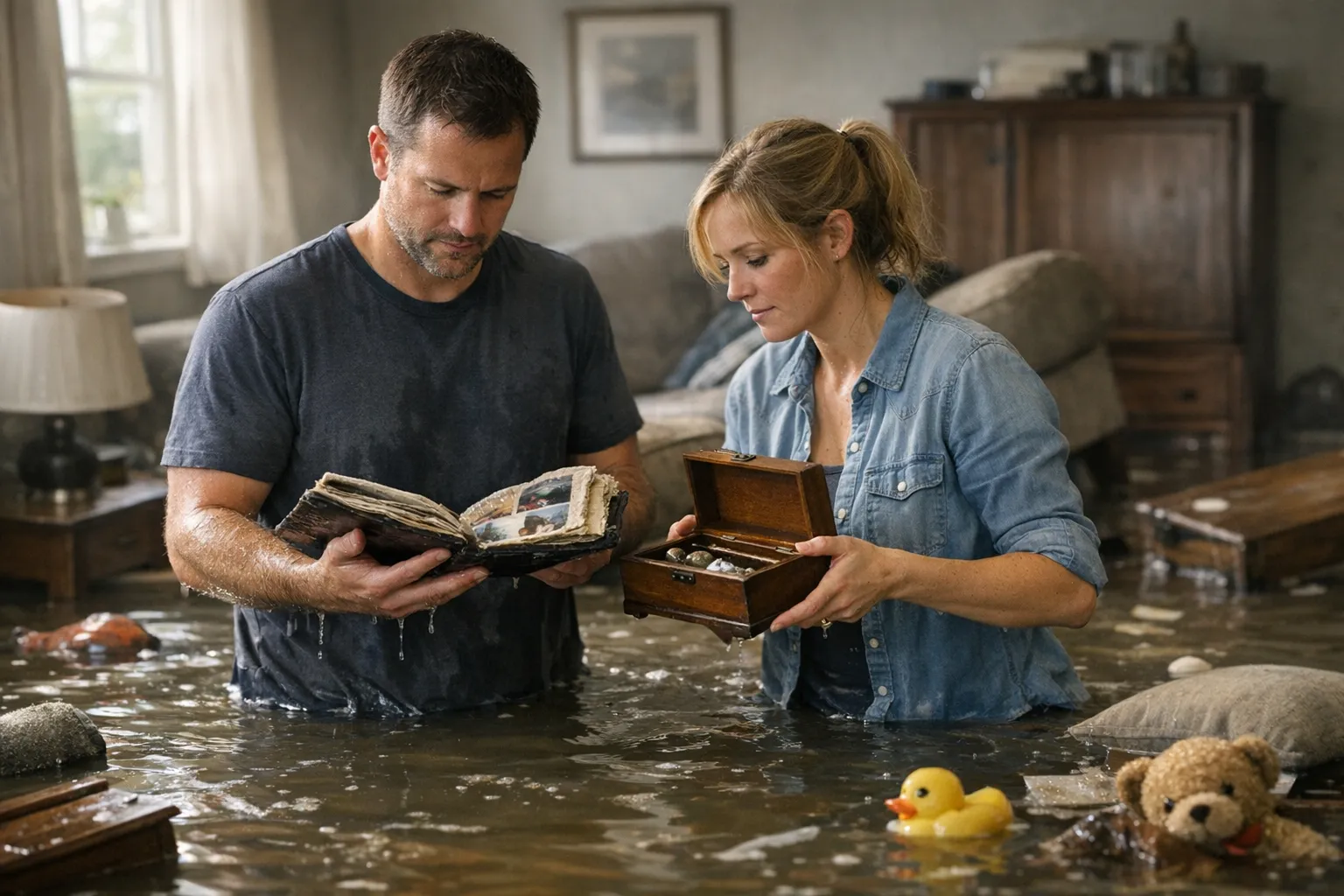
Act Fast to Recover Personal Belongings After Spring Flooding
Spring floods can destroy treasured family photos, heirloom furniture, and irreplaceable keepsakes in a matter of hours. The key to successful recovery lies in taking immediate action once floodwaters recede.
Your ability to recover personal belongings depends on how quickly you respond and the specific restoration techniques you use. Time works against you with each passing hour.
This guide walks you through proven steps to salvage your most valued possessions and restore what matters most to your family.
Safety First: Wait for Official Clearance
Never enter a flood-damaged building until local authorities declare it safe. Floodwater carries dangerous bacteria, chemicals, and debris that pose serious health risks.
Check for structural damage before entering. Look for sagging ceilings, buckled walls, or shifted foundations that could indicate instability.
Turn off electricity at the main breaker if water reached electrical outlets or appliances. Contact your utility company if you see damaged power lines or gas leaks.
Document Everything Before You Begin Recovery
Take photos and videos of all damaged areas and items before moving anything. Insurance companies require this documentation to process claims.
Create a detailed inventory list with descriptions, estimated values, and purchase dates when possible. Include serial numbers for electronics and appliances.
Keep receipts for all recovery expenses including cleaning supplies, storage fees, and professional restoration services.
How to Recover Personal Belongings: The 8-Step Process
Step 1: Remove Items from Standing Water
Start with the most valuable and sentimental items first. Remove everything from standing water within 24-48 hours to prevent additional damage.
Sort items into three categories: salvageable, questionable, and total loss. Focus your energy on items worth saving.
Step 2: Separate by Material Type
Group similar materials together for targeted cleaning approaches:
- Paper documents – photos, certificates, books
- Textiles – clothing, curtains, upholstery
- Wood items – furniture, frames, musical instruments
- Metal objects – jewelry, tools, appliances
- Electronics – computers, TVs, phones
Step 3: Clean and Disinfect Immediately
Rinse mud and debris from items using clean water. Work gently to avoid pushing contaminants deeper into porous materials.
Apply disinfectant solutions appropriate for each material type. Use bleach solutions for hard surfaces but avoid harsh chemicals on delicate fabrics or finishes.
Step 4: Begin the Drying Process
Speed is critical for preventing mold growth, which can start within 24-48 hours. Use fans, dehumidifiers, and open windows to increase air circulation.
Never use heat to dry water-damaged items as it can cause warping, cracking, or permanent damage. Room temperature air movement works best.
Step 5: Handle Specific Items with Care
Photographs: Rinse gently with clean water and air dry face-up on absorbent towels. Avoid touching the image surface.
Books and papers: Insert wax paper between wet pages and freeze items if you cannot dry them immediately. This prevents pages from sticking together.
Furniture: Remove drawers and doors to improve air circulation. Avoid using furniture until completely dry to prevent permanent damage.
Step 6: Test Electronics Before Use
Do not plug in any electronic device that got wet. Remove batteries immediately to prevent corrosion damage.
Have electronics professionally inspected before attempting to power them on. Many items can be restored if handled properly from the start.
Step 7: Address Mold Growth Quickly
Inspect all items for signs of mold growth including musty odors, discoloration, or fuzzy growth patterns. Mold can cause permanent damage and health problems.
Items with extensive mold growth may need professional treatment or disposal. Small areas can be cleaned with appropriate antimicrobial solutions.
Step 8: Know When to Call Professionals
Some items require specialized restoration techniques that exceed typical homeowner capabilities. Professional restorers have equipment and expertise for challenging recoveries.
What Professional Restoration Services Can Save
Professional restoration companies specialize in recovering items that seem beyond repair. They use advanced techniques including freeze-drying, ultrasonic cleaning, and controlled environment drying.
Documents and photos can be digitally restored even with significant water damage. Specialists can separate stuck pages and restore faded images.
Antique furniture often requires professional refinishing and structural repairs that preserve both function and value.
Electronics and appliances benefit from complete disassembly, component cleaning, and testing that most homeowners cannot perform safely.
Items You Should Never Try to Save
Some flood-damaged items pose health risks and should be discarded immediately. These include:
- Mattresses and pillows that absorbed floodwater
- Baby toys and items that cannot be completely disinfected
- Food items and medicines exposed to floodwater
- Cosmetics and personal care products
- Items with heavy mold contamination
Preventing Future Damage During Spring Flood Season
Store important documents and photos in waterproof containers or safety deposit boxes. Digital copies provide additional protection for irreplaceable items.
Elevate valuable items above potential flood levels in basements and ground floors. Use plastic storage bins with tight-fitting lids for seasonal storage.
Create an emergency kit with basic recovery supplies including tarps, buckets, fans, and cleaning materials. Having supplies ready saves precious time after flooding occurs.
Finding the Right Restoration Help
Time pressure during flood recovery makes choosing the right restoration company critical. Look for certified professionals with experience handling your specific types of damaged items.
Check reviews and certifications when comparing restoration providers. IICRC certification indicates training in proper water damage restoration techniques.
Get detailed estimates that specify which items can be restored versus replaced. Professional restorers should explain their process and expected outcomes clearly.
Recovery success depends on quick action, proper techniques, and knowing when professional help provides the best chance of saving irreplaceable belongings. With the right approach, many flood-damaged items can be successfully restored to pre-loss condition.
Browse disaster cleanup and restoration listings at https://restorationlocator.com to find certified professionals in your area who specialize in flood damage recovery.