
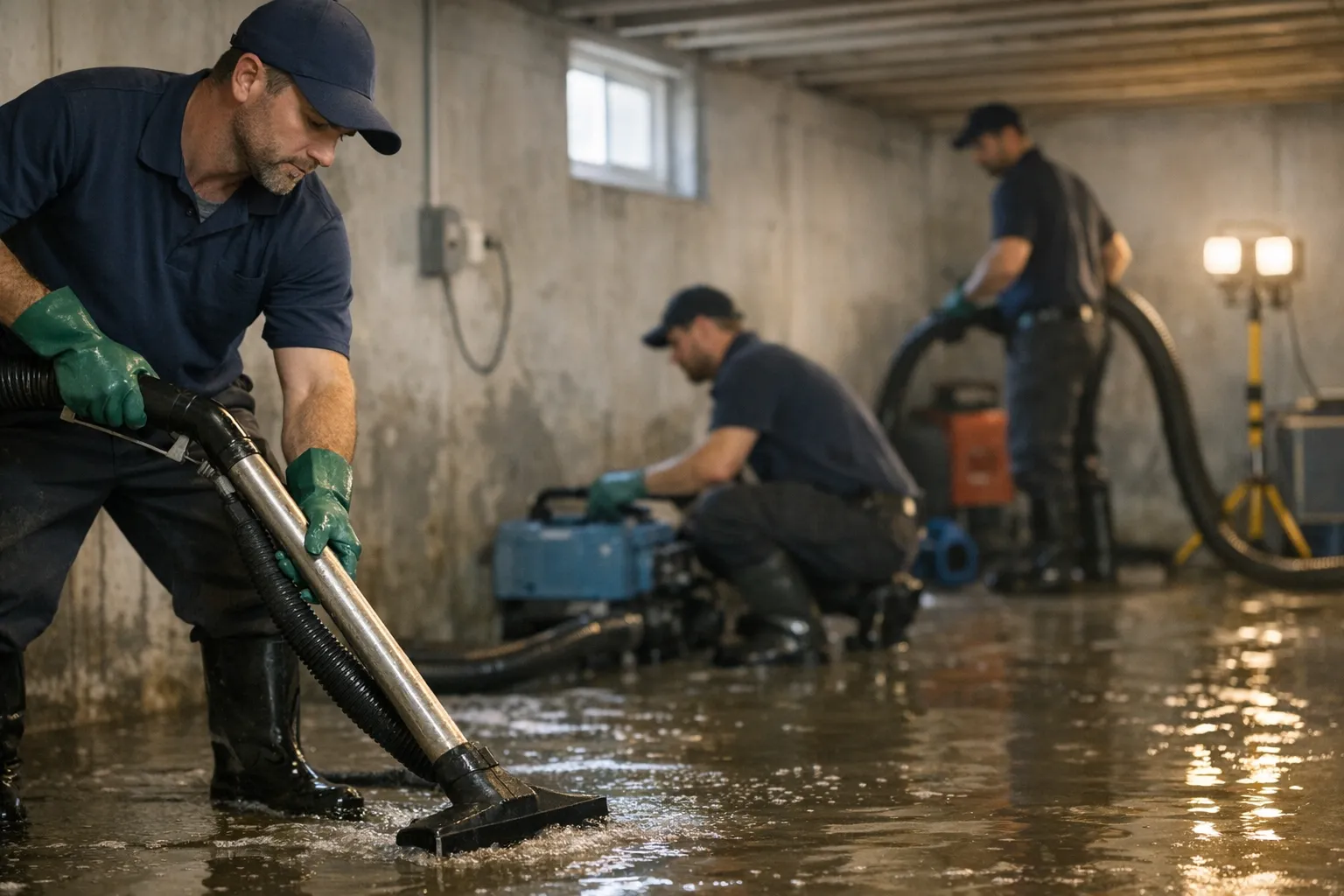
Why Spring Weather Creates Unique Restoration Challenges
Spring weather brings a perfect storm of conditions that can devastate homes and businesses. Heavy rains, rapid snowmelt, and severe thunderstorms create water damage scenarios that require immediate professional response from a qualified disaster restoration provider.
The season’s unpredictable nature means restoration companies must handle everything from basement flooding to storm-damaged roofs within hours of each other. This versatility separates experienced providers from those unprepared for spring weather complexities.
Essential Qualifications for Spring Disaster Restoration Provider Selection
The right restoration company must demonstrate specific capabilities that address spring’s unique challenges. Water damage from seasonal storms requires different expertise than fire or mold remediation.
Required Certifications and Training
Your chosen provider should hold current certifications from the Institute of Inspection, Cleaning and Restoration Certification (IICRC). These credentials prove technicians understand proper water extraction, structural drying, and mold prevention techniques.
Look for companies with Water Damage Restoration Technician (WRT) and Applied Structural Drying (ASD) certifications. These specialized credentials indicate expertise in handling the complex moisture issues that spring weather creates.
Equipment and Technology Standards
Professional-grade equipment separates qualified providers from inadequate services. Your restoration company should possess:
- Industrial-strength water extractors for removing standing water quickly
- Commercial dehumidifiers rated for large-scale moisture removal
- Thermal imaging cameras to detect hidden water damage behind walls
- Air movers and fans designed for rapid structural drying
- Moisture meters for monitoring progress throughout the restoration process
Response Time Requirements During Spring Emergencies
Spring storms don’t wait for business hours, and neither should your disaster restoration provider. Water damage spreads rapidly, making the first 24-48 hours critical for preventing secondary damage like mold growth.
Top providers offer 24/7 emergency response with arrival times under two hours for urgent situations. This rapid response capability becomes crucial when spring thunderstorms strike multiple properties simultaneously.
Ask potential providers about their capacity during peak storm seasons. Companies with sufficient staff and equipment can maintain quick response times even when demand surges.
Insurance Coordination and Documentation Expertise
Spring weather damage often involves complex insurance claims requiring detailed documentation. Your restoration provider should understand insurance requirements and work directly with adjusters throughout the process.
Experienced companies photograph damage extensively, provide detailed estimates, and maintain clear communication with insurance representatives. This expertise prevents claim delays and reduces your out-of-pocket expenses.
Direct Insurance Billing Services
The best providers handle insurance billing directly, eliminating upfront payments for covered work. This service becomes particularly valuable when spring storms cause widespread damage and cash flow becomes tight.
Evaluating Local Market Knowledge and Experience
Local expertise matters significantly in disaster restoration. Providers familiar with your area’s specific challenges understand regional weather patterns, common building materials, and local building codes.
Companies with established local presence know which suppliers stock necessary materials during busy spring months. They also understand permit requirements for major repairs in your jurisdiction.
Seasonal Preparation and Planning
Ask potential providers how they prepare for spring storm seasons. Professional companies stock additional equipment, schedule extra staff, and maintain relationships with emergency suppliers before peak weather arrives.
Quality Control and Project Management Systems
Effective project management separates professional restoration from amateur attempts. Your chosen provider should assign dedicated project managers who coordinate all aspects of your restoration.
Daily progress reports, clear timelines, and regular communication keep you informed throughout the process. This transparency becomes especially important during multi-week projects involving extensive water damage.
Third-Party Monitoring and Verification
Professional providers use independent testing to verify moisture levels meet industry standards before declaring work complete. This third-party verification protects you from future problems related to incomplete drying.
Comprehensive Service Capabilities
Spring weather damage rarely affects just one system or area. Roof leaks can damage ceilings, walls, flooring, and personal belongings. Your disaster restoration provider should handle all these interconnected issues.
Full-service companies manage:
- Emergency water extraction and structural drying
- Content cleaning and storage for damaged belongings
- Mold remediation and prevention services
- Reconstruction services for damaged structures
- Air quality testing and improvement measures
Pricing Transparency and Value Assessment
Legitimate restoration companies provide detailed written estimates breaking down labor, materials, and equipment costs. Beware of providers who quote prices before inspecting damage or refuse to itemize charges.
Compare estimates from multiple providers, but remember that the lowest price doesn’t guarantee the best value. Consider response time, equipment quality, and service scope when evaluating proposals.
Emergency vs. Standard Pricing
Many companies charge premium rates for emergency services outside normal business hours. Understand these pricing structures upfront to avoid surprises during urgent spring storm responses.
How to Research and Compare Providers Effectively
Start your search before you need emergency services. Research local providers during calm weather when you can evaluate options carefully without time pressure.
Check online reviews focusing on recent experiences during storm seasons. Look for patterns in customer feedback regarding response times, communication quality, and final results.
Verify licensing and insurance status through state regulatory agencies. Legitimate providers carry both general liability and workers’ compensation insurance protecting you from potential claims.
Using Directory Resources for Provider Selection
Professional directories streamline the research process by pre-screening providers for basic qualifications. Use filtering options to find companies serving your area with appropriate certifications and service capabilities.
Review provider profiles for detailed service descriptions, certifications held, and years in business. This information helps narrow your options before conducting detailed interviews.
Questions to Ask Before Hiring
Direct questions reveal provider capabilities and professionalism better than marketing materials. Ask about specific experience with spring weather damage similar to your situation.
Key questions include: How quickly can you respond to emergency calls? What equipment do you bring for initial assessment? How do you prevent mold growth during restoration? Can you provide references from recent spring storm projects?
Professional providers answer these questions confidently with specific details about their processes and capabilities.
Red Flags to Avoid
Certain warning signs indicate providers you should avoid during your selection process. Door-to-door solicitors following storms often lack proper licensing and insurance coverage.
Avoid companies demanding full payment upfront or pressuring you to sign contracts immediately. Legitimate providers understand you need time to review agreements and coordinate with insurance companies.
Be wary of estimates significantly higher or lower than others without clear explanations for the differences. Both extremes often indicate problems with service quality or business practices.
Making Your Final Selection Decision
Your ideal disaster restoration provider combines technical expertise, appropriate equipment, and professional service delivery. They should demonstrate clear understanding of spring weather challenges and proven ability to handle complex restoration projects.
Trust your instincts about communication quality and professionalism during initial interactions. Companies that are difficult to reach or unclear in their explanations will likely create frustration throughout your restoration project.
Choose providers who invest time in thorough damage assessment and detailed project planning. This upfront attention typically translates to smoother project execution and better final results.
Finding the right disaster restoration provider before spring weather strikes protects your property and reduces stress during emergency situations. Research providers now while you can evaluate options carefully and make informed decisions.
Browse qualified disaster restoration providers in your area at https://restorationlocator.com to compare certifications, services, and customer reviews before you need emergency assistance.