
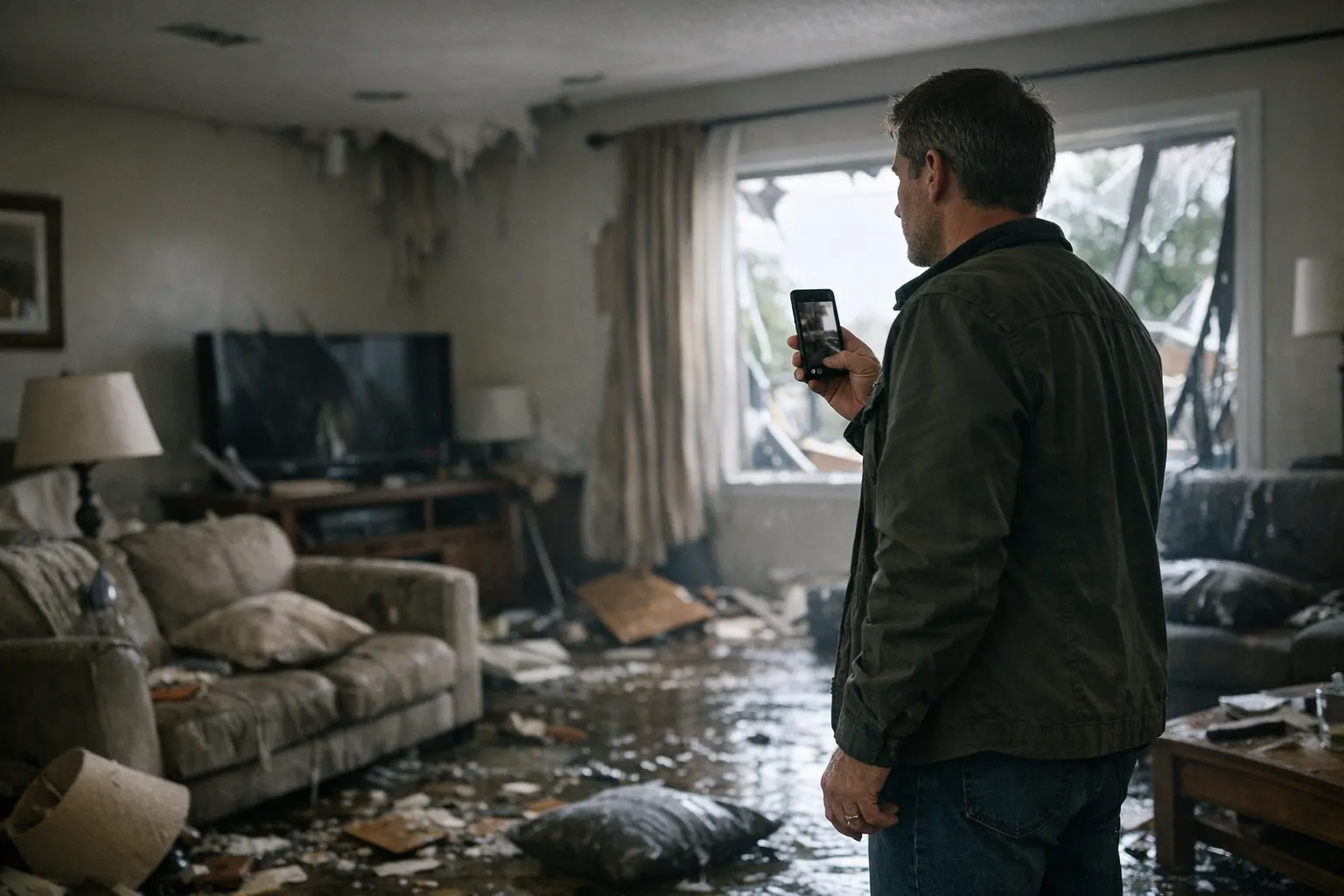
When disaster strikes your property, filing an insurance claim quickly and correctly can make the difference between full coverage and costly out-of-pocket expenses. Most insurers require notification within 24-48 hours of discovering damage.
This guide walks you through each step of the claims process. You’ll learn how to document damage properly, communicate with adjusters effectively, and work with restoration professionals.
Contact Your Insurance Company Immediately
Time matters when filing an insurance claim. Most policies require prompt notification, typically within 24-48 hours of discovering damage.
Call your insurer’s claims hotline as soon as it’s safe to do so. Have your policy number ready and be prepared to provide basic details about the incident.
Ask for your claim number and the name of your assigned adjuster. Write down this information immediately – you’ll reference it in all future communications.
What to Tell Your Insurance Company
Provide these key details during your initial call:
- Date and time the damage occurred
- Type of disaster (flood, fire, storm, etc.)
- Location of the damaged property
- Brief description of visible damage
- Safety concerns or immediate threats
Keep your initial description factual and brief. You’ll provide detailed documentation later.
Document All Damage Thoroughly
Comprehensive documentation strengthens your claim and helps ensure fair compensation. Start this process immediately after ensuring your safety.
Take photos and videos of all damaged areas before cleaning or moving anything. Capture wide shots showing the scope of damage, then close-ups of specific items.
Create a Detailed Damage Inventory
List every damaged item with these details:
- Item description and location in the property
- Purchase date and original cost (if known)
- Current condition and extent of damage
- Model numbers or serial numbers when visible
Include receipts, warranties, or previous appraisals if available. These documents help establish value and ownership.
Document Structural Damage
Pay special attention to structural elements like walls, floors, ceilings, and electrical systems. These repairs often represent the largest portion of your claim.
Photograph water lines, cracks, warping, or other visible structural issues. Don’t forget less obvious areas like basements, attics, and utility rooms.
Prevent Further Damage
Most policies require you to take reasonable steps to prevent additional damage after the initial incident. This protects both your property and your coverage.
Common mitigation steps include covering broken windows, tarping damaged roofs, or removing standing water. Keep receipts for any materials or services used.
Avoid making permanent repairs until your adjuster inspects the property. Temporary protective measures are acceptable and often required.
Work with Your Insurance Adjuster
Your adjuster will inspect the property and determine coverage under your policy. Schedule this inspection as soon as possible to avoid delays.
Be present during the inspection to answer questions and point out damage. Bring your documentation and inventory to share with the adjuster.
Preparing for the Adjuster Visit
Make the inspection productive by preparing in advance:
- Clear safe pathways to damaged areas
- Organize your documentation in a logical order
- Prepare questions about coverage or the claims process
- Consider hiring a public adjuster for complex claims
Ask the adjuster to explain any damage they exclude from coverage. Get this reasoning in writing for your records.
Coordinate with Disaster Recovery Professionals
Professional restoration companies play a vital role in disaster recovery and can strengthen your claim with detailed documentation and industry expertise.
Many restoration professionals work directly with insurance companies and understand claims requirements. They can provide detailed estimates and document hidden damage your adjuster might miss.
Choosing the Right Restoration Company
Select restoration professionals carefully, as their work directly impacts your claim outcome. Look for companies with proper licensing, insurance, and industry certifications.
Get multiple estimates for major restoration work. This helps ensure fair pricing and gives you leverage in claim negotiations.
Use https://restorationlocator.com to find qualified professionals in your area. Filter by location, services offered, and customer reviews to find the best fit for your needs.
Keep Detailed Records
Maintain comprehensive records throughout the entire claims process. This documentation protects you if disputes arise later.
Save all communications with your insurance company, including emails, letters, and notes from phone calls. Include dates, times, and the names of people you spoke with.
Essential Records to Maintain
Keep these documents organized and easily accessible:
- Initial damage photos and videos
- Contractor estimates and invoices
- Hotel receipts and living expenses
- Adjuster reports and correspondence
- Repair documentation and progress photos
Store copies of important documents in multiple locations, including cloud storage or off-site locations.
Understand Your Coverage Limits
Review your policy carefully to understand what’s covered and what limits apply. Common limitations include caps on personal property, temporary living expenses, and specific exclusions.
Ask your adjuster to explain any coverage decisions you don’t understand. Get clarification in writing to avoid confusion later.
Consider whether you need additional coverage for future incidents. Many homeowners discover gaps in their coverage only after filing a claim.
Review Settlement Offers Carefully
Insurance companies typically issue settlement offers after completing their investigation. Review these offers thoroughly before accepting.
Compare the settlement against your documented losses and contractor estimates. Don’t hesitate to negotiate if the offer seems insufficient.
Consider consulting with a public adjuster or attorney for large claims or if you disagree with the settlement amount.
When to Seek Professional Help
Consider professional assistance in these situations:
- Claim denials or significant coverage disputes
- Complex losses involving multiple property areas
- High-value claims exceeding $50,000
- Commercial property or business interruption claims
Public adjusters work on your behalf and typically charge a percentage of your settlement. Weigh this cost against the potential increase in your claim value.
Complete the Claims Process
Once you accept a settlement, follow through with all required documentation. Submit final invoices, receipts, and completion certificates as requested.
Keep your claim file active until all repairs are complete and payments received. Some policies allow reopening claims if additional damage appears within a specific timeframe.
Filing an effective insurance claim requires prompt action, thorough documentation, and clear communication with all parties involved. Start the process immediately after ensuring your safety, and don’t hesitate to seek professional help when needed.
Find qualified disaster recovery professionals to support your claim at https://restorationlocator.com. Browse listings by location and specialty to connect with experienced restoration contractors in your area.