
Recognizing Critical Structural Damage Signs After Disasters
Disasters can compromise your building’s structural integrity in ways that aren’t immediately obvious. Structural damage signs often start small but indicate serious underlying problems that worsen over time. Catching these early warning signals can prevent catastrophic failures and costly repairs.
This guide covers the subtle indicators that signal structural compromise after floods, fires, storms, or earthquakes. You’ll learn what to look for during your initial assessment and when to call professionals.
Foundation and Basement Warning Signs
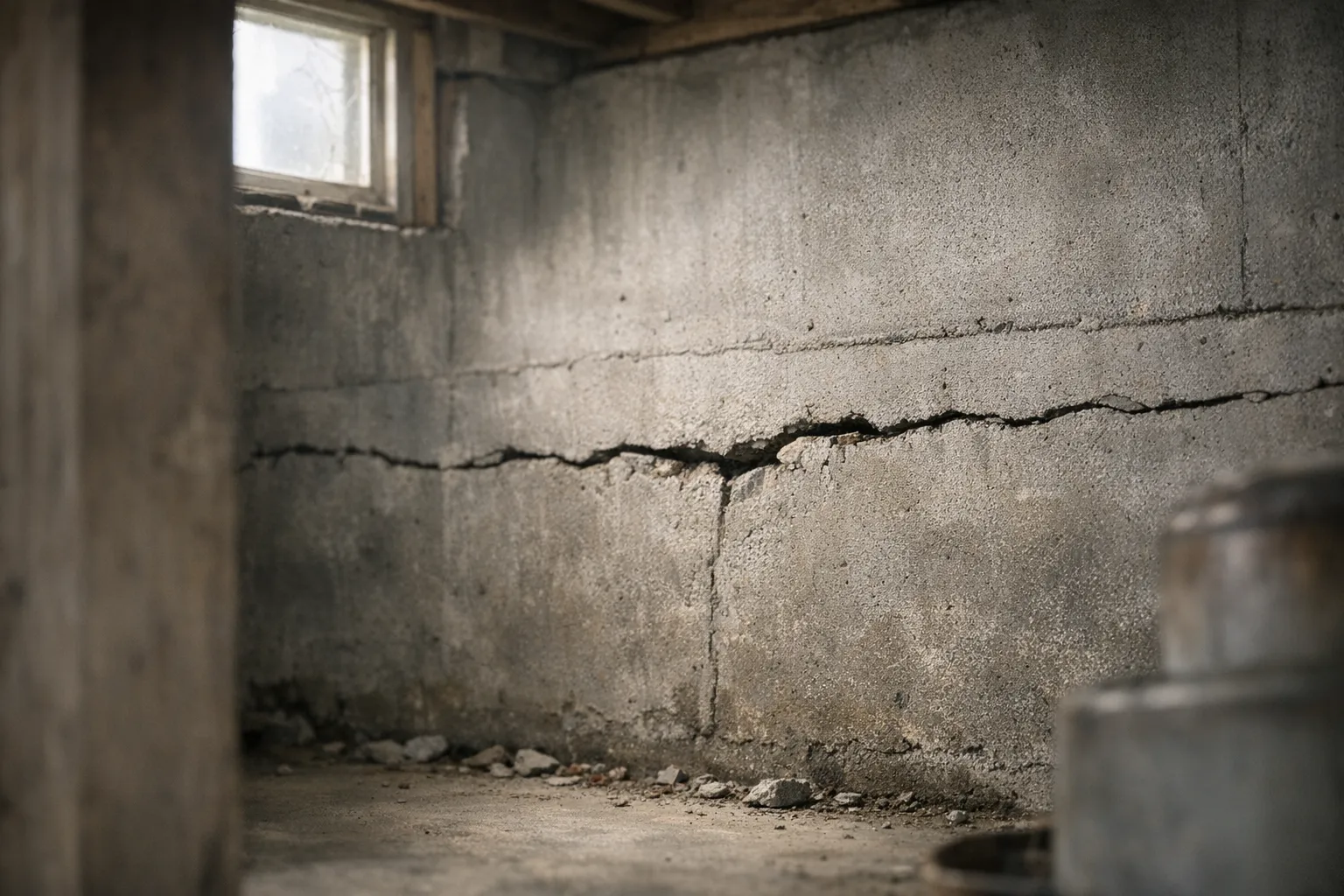
Foundation damage creates the most serious structural threats to any building. Cracks wider than a quarter-inch in concrete foundations signal significant movement or settling.
Look for these specific foundation issues:
- Horizontal cracks in basement walls indicate soil pressure or water damage
- Stair-step cracks in block or brick foundations show differential settling
- Bowing or bulging walls that lean inward or outward
- White chalky residue (efflorescence) where water has carried minerals through concrete
- Gaps between foundation and sill plates where wood meets concrete
Water marks above normal flood levels on foundation walls indicate hydrostatic pressure that may have shifted the structure. Even after water recedes, this pressure can leave lasting damage.
Floor-Level Indicators
Foundation problems show up in floors above the basement. Sagging or bouncy floors suggest compromised support beams or joists.
Check for gaps between flooring and baseboards that weren’t there before the disaster. Doors that suddenly stick or won’t close properly often indicate foundation settlement.
Wall and Ceiling Structural Damage Signs
Load-bearing walls support your building’s weight and show stress through visible deformation. Vertical cracks at corners where walls meet ceilings indicate structural movement.
Interior wall warning signs include:
- Bulging or bowing sections that weren’t present before
- Nail pops where fasteners push through drywall
- Cracks that run diagonally from corners of doors and windows
- Separation gaps where walls meet floors or ceilings
Ceiling sag indicates roof structure damage or compromised support systems. Even minor sagging can signal major problems above.
External Wall Assessment
Outside walls bear environmental stress and show damage differently than interior surfaces. Brick veneer separation from backing walls creates dangerous conditions.
Examine exterior walls for mortar joint cracks, loose siding, or stucco that sounds hollow when tapped. These conditions allow water penetration that accelerates structural deterioration.
Roof and Upper Structure Problems
Roof damage affects the entire structural system below. Missing or damaged shingles expose underlying wood to moisture that weakens load-bearing elements.
Critical roof indicators include:
- Sagging roof lines visible from ground level
- Damaged or missing flashing around chimneys and vents
- Granules in gutters from deteriorating asphalt shingles
- Daylight visible through roof boards from inside attic
- Water stains on interior ceilings or walls
Check attic spaces for bent or cracked rafters, especially after high winds. Truss damage requires immediate professional evaluation since these systems distribute roof loads.
Door, Window, and Opening Issues
Doors and windows fit within precise measurements and reveal structural shifts through operational problems. Doors that won’t latch or require force to close indicate frame distortion.
Window problems that signal structural issues:
- Glass cracks without obvious impact damage
- Frames pulling away from surrounding walls
- Difficulty opening or closing windows that previously worked smoothly
- Gaps around frames where weatherstripping no longer seals
Garage doors that bind or operate unevenly often indicate foundation settlement or wall movement. These large openings show structural stress quickly.
When to Call Structural Engineers
Some structural damage signs require immediate professional evaluation. Post-disaster inspection by qualified engineers prevents dangerous situations from developing.
Contact professionals immediately for:
- Any horizontal foundation cracks longer than two feet
- Walls or floors that feel unstable when walked on
- Doors or windows that suddenly won’t open
- Visible sagging in roofs or floors
- Cracks that continue growing after the disaster
Don’t attempt to repair structural issues yourself. Improper repairs can worsen problems and create safety hazards.
Documenting Damage for Insurance
Thorough documentation supports insurance claims and repair planning. Photograph all visible damage from multiple angles before contractors begin work.
Create detailed records including:
- Date and time stamps on all photos
- Measurements of cracks and gaps using rulers for scale
- Written descriptions of when problems were first noticed
- Before-disaster photos if available for comparison
Insurance adjusters need clear evidence of disaster-related damage versus pre-existing conditions. Professional inspection reports strengthen your claim documentation.
Choosing Qualified Restoration Professionals
Structural repairs require specialized expertise and proper licensing. Restoration contractors with structural experience understand both immediate repairs and long-term stability issues.
Look for contractors who provide:
- Structural engineering consultation as part of assessment
- Detailed repair plans addressing root causes, not just symptoms
- Insurance claim support throughout the restoration process
- Permits and inspections for all structural modifications
Multiple estimates help you understand the scope of needed repairs and identify contractors who may be missing critical issues.
Prevention Through Regular Monitoring
Early detection prevents minor issues from becoming major structural failures. Monthly visual inspections help identify changes before they worsen.
Create a simple monitoring routine checking foundation walls, door operation, and ceiling conditions. Document any changes with photos and dates.
Seasonal inspections after storms or temperature extremes catch weather-related damage early. Small repairs cost significantly less than major structural reconstruction.
Finding the Right Help
Structural damage requires prompt professional attention to prevent further deterioration. Early intervention saves money and protects occupant safety.
Connect with qualified disaster cleanup and restoration professionals who understand structural issues in your area. Browse restoration specialists on https://restorationlocator.com to find licensed contractors with structural repair experience.