
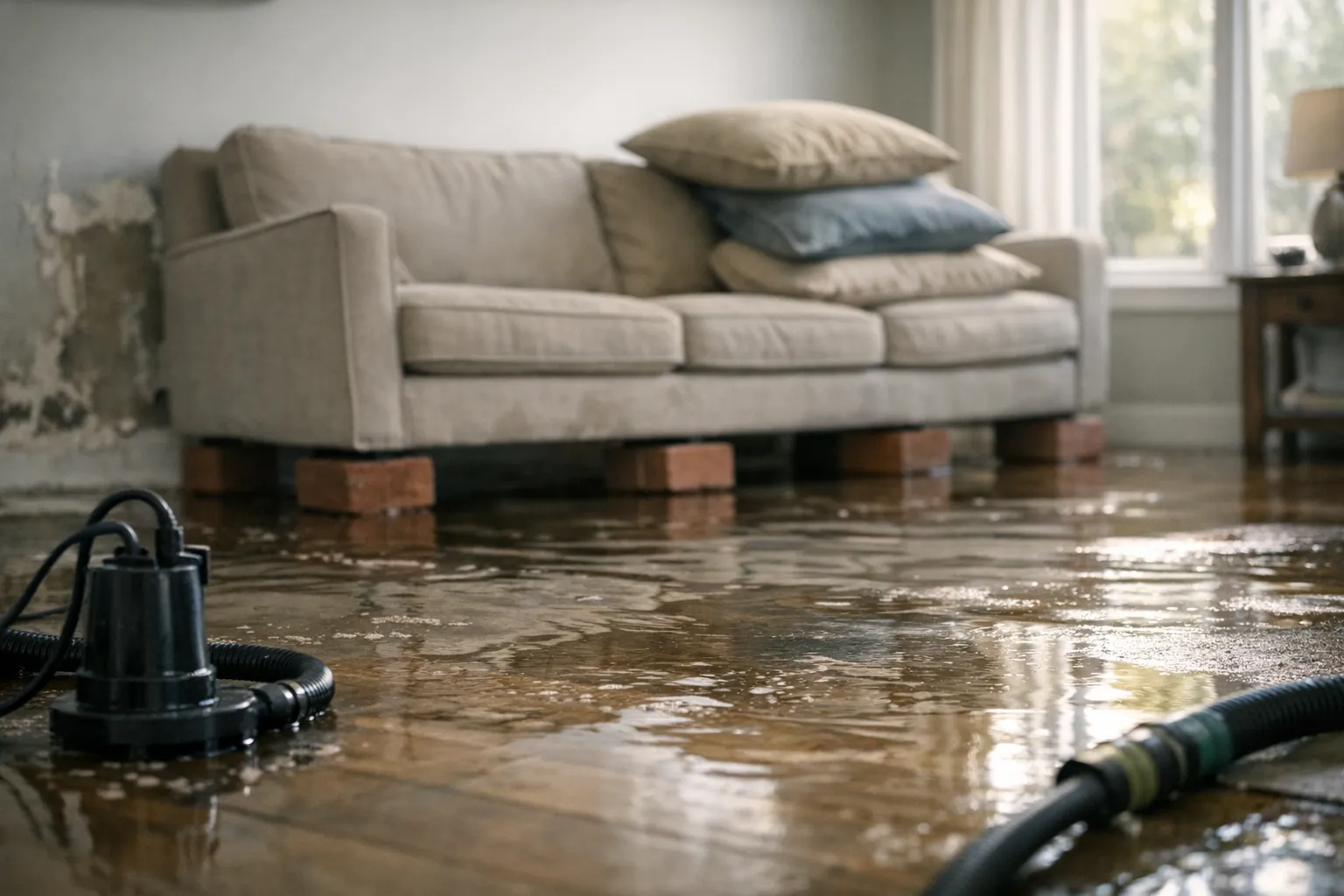
When disaster strikes and water invades your home, understanding water damage cost becomes critical for making informed decisions. The price of restoration varies dramatically based on damage severity, affected materials, and geographic location.
This guide breaks down typical expenses and factors that influence pricing. You’ll learn what drives costs up or down and how to budget for professional restoration services.
Average Water Damage Cost by Scope
Water damage cost depends heavily on the affected area size and damage classification. Here’s what homeowners typically pay:
- Minor damage (1-2 rooms): $1,200 – $3,500
- Moderate damage (3-4 rooms): $3,500 – $7,000
- Major damage (whole house): $7,000 – $15,000+
- Severe flooding: $20,000 – $50,000+
These ranges reflect complete restoration including water extraction, drying, cleaning, and repairs. Emergency services and structural rebuilding can push costs higher.
Clean Water vs. Contaminated Water Pricing
Water source dramatically affects restoration pricing. Clean water from burst pipes costs less to remediate than sewage backups.
Clean water damage averages $3-4 per square foot for extraction and drying. Contaminated water jumps to $7-10 per square foot due to sanitization requirements and safety protocols.
Key Factors That Drive Water Damage Cost
Several variables determine your final restoration bill. Understanding these helps you anticipate expenses and compare quotes effectively.
Damage Classification Level
Insurance and restoration companies use standardized damage classes:
- Class 1: Minimal absorption, concrete/plywood affected – $500-1,500
- Class 2: Significant absorption, carpet/cushions wet – $1,500-4,000
- Class 3: Greatest absorption, walls/insulation saturated – $4,000-8,000
- Class 4: Specialty drying, hardwood/stone affected – $8,000-15,000+
Geographic Location Impact
Labor costs vary significantly by region. Metropolitan areas charge 20-40% more than rural locations for identical services.
Coastal regions prone to flooding often have higher baseline rates. Supply and demand during disaster seasons also inflate pricing temporarily.
Speed of Response
Immediate response prevents secondary damage but costs more upfront. Emergency calls outside business hours carry surcharges of $200-500.
Delayed response allows mold growth and structural damage. This can double or triple total restoration costs within 48-72 hours.
Breakdown of Water Damage Restoration Services
Professional restoration involves multiple services, each contributing to overall costs. Understanding individual components helps evaluate quotes.
Water Extraction and Removal
Initial water removal typically costs $2-7 per square foot. Truck-mounted extractors handle large volumes efficiently while portable units work in tight spaces.
Standing water removal includes furniture moving and content protection. Contaminated water requires specialized equipment and disposal methods.
Structural Drying and Dehumidification
Industrial dehumidifiers and air movers run 3-5 days minimum. Daily equipment rental averages $50-100 per unit, with 6-12 units common for moderate damage.
Moisture monitoring ensures complete drying before reconstruction begins. This prevents hidden mold growth that creates future problems.
Content Cleaning and Storage
Salvageable belongings require cleaning, drying, and temporary storage. Pack-out services charge $3-6 per cubic foot for removal and return.
Electronics restoration ranges from $100-500 per item. Documents and photographs need specialized freeze-drying processes costing $2-5 per page.
Additional Costs to Consider
Beyond basic restoration, several expenses catch homeowners off-guard. Planning for these prevents budget surprises.
Mold Remediation
Mold develops within 24-48 hours of water exposure. Professional removal costs $500-6,000 depending on affected area size.
Severe infestations require containment barriers, air filtration, and antimicrobial treatments. This adds $1,000-3,000 to standard restoration pricing.
Temporary Living Expenses
Extensive damage may require temporary relocation during restoration. Hotel costs, meals, and storage fees add $100-300 daily for families.
Insurance often covers additional living expenses, but advance payment and reimbursement delays create cash flow challenges.
Permit and Inspection Fees
Major reconstruction requires building permits costing $100-500. Multiple inspections throughout the process add $50-150 each visit.
Code upgrades during reconstruction can significantly increase expenses beyond original damage scope.
Insurance Coverage and Out-of-Pocket Costs
Most homeowner policies cover sudden water damage but exclude flooding and gradual leaks. Understanding coverage gaps helps budget accurately.
Typical Insurance Scenarios
Burst pipes, appliance malfunctions, and storm damage usually qualify for coverage. Deductibles range from $500-2,500 depending on policy terms.
Flood damage requires separate flood insurance with 30-day waiting periods. Ground water, sump pump failures, and maintenance issues face common exclusions.
Working With Insurance Adjusters
Document everything before cleanup begins. Photos and videos support insurance claims and prevent coverage disputes.
Insurance may recommend preferred contractors, but you can choose any licensed professional. Compare multiple quotes to ensure fair pricing.
How to Find Qualified Restoration Professionals
Choosing the right contractor affects both cost and quality outcomes. Look for specific certifications and experience markers.
Essential Qualifications
Verify contractors hold IICRC (Institute of Inspection, Cleaning and Restoration Certification) credentials. This ensures industry-standard training and practices.
Check local licensing, bonding, and insurance requirements. Emergency response companies should maintain 24/7 availability and rapid response capabilities.
Getting Accurate Quotes
Request detailed written estimates breaking down labor, materials, and equipment costs. Avoid contractors demanding full payment upfront or going door-to-door after disasters.
Compare at least three quotes for non-emergency situations. Emergency response may limit options, but verify credentials before authorizing work.
Money-Saving Strategies
Smart decisions during the restoration process can reduce costs without compromising quality. Focus on prevention and efficient contractor selection.
Immediate Response Actions
Turn off water sources and electricity to prevent additional damage. Remove standing water with pumps or wet vacuums if safe to do so.
Move furniture and belongings to dry areas. Quick action in the first few hours significantly reduces professional restoration scope.
Contractor Selection Tips
Local companies often charge less than national franchises while providing personalized service. Check recent customer reviews and Better Business Bureau ratings.
Bundle services with single contractors when possible. Companies handling extraction, drying, and reconstruction may offer package discounts.
When to Expect Higher Costs
Certain situations inevitably increase restoration pricing beyond typical ranges. Recognizing these scenarios helps set realistic expectations.
Structural Complications
Hardwood floors, plaster walls, and custom millwork require specialized drying techniques. Restoration costs double when dealing with historic or luxury materials.
Multi-story damage involves complex drying patterns and equipment positioning. Basements and crawl spaces need extended drying time and vapor barriers.
Seasonal and Market Factors
Hurricane and flood seasons create high demand and limited contractor availability. Expect 25-50% premium pricing during peak disaster periods.
Supply chain disruptions affect material costs and project timelines. Factor potential delays and price increases into restoration budgets.
Understanding water damage cost helps you prepare financially for restoration and choose qualified professionals wisely. Expenses vary widely based on damage scope, water source, and response speed.
Quick action and proper contractor selection minimize both immediate costs and long-term problems. Insurance coverage reduces out-of-pocket expenses for qualifying damage types.
Find certified disaster cleanup and restoration professionals in your area at https://restorationlocator.com. Compare qualified contractors, read customer reviews, and get connected with local experts today.