
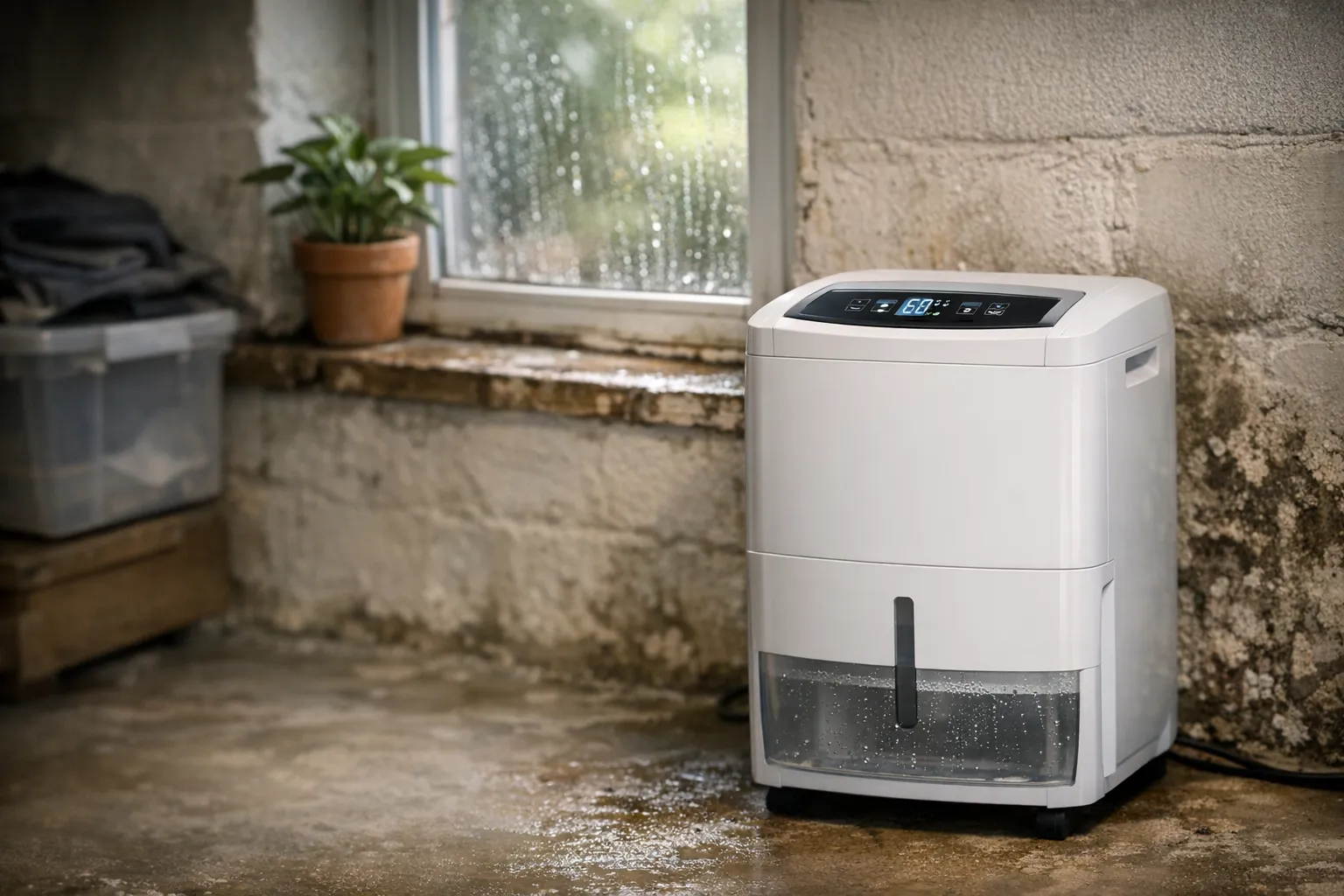
Spring brings warm weather and increased humidity, creating perfect conditions for mold growth in homes. **Dehumidifiers spring mold control** becomes critical during this season when moisture levels spike from rain, melting snow, and temperature fluctuations. Understanding how to use these devices properly can prevent costly mold remediation later.
This guide covers why spring humidity creates mold problems, how dehumidifiers work to prevent them, and practical steps for effective moisture control. You’ll learn optimal settings, placement strategies, and when to call professionals for help.
Why Spring Creates Perfect Conditions for Mold Growth
Spring weather patterns create a storm of conditions that promote mold growth. Temperature swings between warm days and cool nights cause condensation on windows, walls, and hidden surfaces. Rain and melting snow increase outdoor humidity, which seeps into homes through cracks and ventilation systems.
**Mold spores need three things to thrive: moisture, organic material, and temperatures between 68-86°F.** Spring provides all three in abundance. Homes often contain plenty of organic materials like wood, drywall, and fabric that feed hungry mold colonies.
Indoor humidity levels above 60% create dangerous conditions for mold growth. Many homes experience humidity spikes during spring that reach 70-80%, especially in basements, bathrooms, and poorly ventilated areas.
Common Spring Moisture Sources
Several factors contribute to elevated spring humidity indoors:
- **Groundwater seepage** from saturated soil after snow melt
- **Poor ventilation** trapping humid air inside
- **Cooking and showering** adding moisture to already humid air
- **HVAC systems** circulating humid outdoor air
- **Basement moisture** from foundation issues and poor drainage
How Dehumidifiers Prevent Spring Mold Control Problems
Dehumidifiers remove excess moisture from air by pulling humid air over cold coils. Water condenses and drains away, while drier air circulates back into the room. This process reduces humidity below the 50% threshold where mold struggles to grow.
**The device works continuously to maintain optimal humidity levels between 30-50%.** Modern units include hygrometers that monitor humidity and adjust operation automatically. This prevents both over-drying and insufficient moisture removal.
Consistent humidity control creates an environment where existing mold spores become dormant. New spores cannot establish colonies when moisture stays below critical levels.
Types of Dehumidifiers for Different Spaces
**Refrigerant dehumidifiers** work best in temperatures above 65°F and handle heavy moisture loads. These units suit main living areas during spring when temperatures rise but humidity remains high.
**Desiccant dehumidifiers** operate effectively in cooler temperatures below 65°F. Basements and unheated spaces benefit from these units during early spring when temperatures fluctuate.
**Whole-house dehumidifiers** integrate with HVAC systems to control moisture throughout entire homes. These powerful units handle large spaces and multiple moisture sources simultaneously.
Optimal Dehumidifier Settings and Placement for Spring
**Set dehumidifiers to maintain 45% relative humidity during spring months.** This level prevents mold growth while avoiding over-drying that can damage wood furniture and cause respiratory discomfort. Monitor humidity with separate hygrometers to verify accuracy.
Place units in central locations with good air circulation. Avoid corners, behind furniture, or near walls where air cannot flow freely around the unit. Position dehumidifiers at least 12 inches from walls and obstacles.
**Run dehumidifiers continuously during high-humidity spring weather.** Most units include automatic shutoff when target humidity is reached, so continuous operation won’t waste energy. Empty water tanks daily or connect to drainage systems for hands-off operation.
Strategic Placement for Maximum Effectiveness
**Basements require the most attention during spring mold control efforts.** Place larger capacity units (50-70 pint) in basement areas where groundwater and poor ventilation create moisture problems.
**Bathrooms and laundry rooms need smaller units (20-30 pint)** to handle moisture from daily activities. Position these away from direct water spray but close enough to capture humidity.
**Living areas benefit from mid-sized units (30-50 pint)** placed centrally to handle general humidity from cooking, breathing, and outdoor air infiltration.
Maintenance and Monitoring During Spring Season
Clean dehumidifier coils monthly during heavy spring use to maintain efficiency. Dirty coils reduce moisture removal capacity and increase energy consumption. Use soft brushes and mild detergent to remove dust and debris buildup.
**Replace or clean air filters every 2-4 weeks during spring operation.** High humidity seasons create more airborne particles that clog filters faster than normal. Clean filters improve air circulation and moisture removal rates.
Monitor humidity levels with digital hygrometers placed throughout the home. Different areas may require different settings based on local conditions and moisture sources.
Warning Signs That Professional Help Is Needed
Some moisture problems exceed what dehumidifiers can handle alone:
- **Visible mold growth** appears despite dehumidifier operation
- **Musty odors persist** even with proper humidity control
- **Water stains or damage** indicate structural moisture issues
- **Humidity won’t drop** below 60% despite continuous operation
- **Condensation continues** on windows and surfaces
Cost-Effective Spring Mold Prevention Strategy
**Dehumidifiers cost $200-800 initially but prevent mold remediation expenses of $3,000-10,000.** Operating costs range from $20-50 monthly during peak spring humidity season. This represents significant savings compared to professional mold removal services.
Energy-efficient models with Energy Star ratings reduce operating costs while maintaining effective moisture control. Timer functions and automatic humidity controls prevent unnecessary operation when humidity levels are acceptable.
Regular maintenance extends dehumidifier lifespan to 8-12 years, making them excellent long-term investments for spring mold control. Replace units when repair costs exceed 50% of replacement value.
Integration with Other Moisture Control Methods
**Combine dehumidifiers with improved ventilation for maximum spring mold control effectiveness.** Exhaust fans in bathrooms and kitchens remove moisture at the source before it spreads throughout the home.
Seal air leaks around windows, doors, and foundation cracks to prevent humid outdoor air infiltration. Weatherstripping and caulk provide inexpensive moisture barriers that reduce dehumidifier workload.
**Fix plumbing leaks and improve drainage around home foundations.** Dehumidifiers cannot overcome major water intrusion problems from structural issues or plumbing failures.
When to Upgrade to Professional Solutions
Whole-house dehumidification systems provide comprehensive moisture control for homes with persistent humidity problems. HVAC contractors can assess whether integrated systems offer better value than multiple portable units.
**Professional moisture assessments identify hidden problems** that portable dehumidifiers cannot address. Thermal imaging and moisture meters locate problem areas behind walls and under flooring.
Basement waterproofing and foundation repairs address root causes of spring moisture intrusion. These permanent solutions reduce long-term dehumidifier operating costs.
Conclusion
**Dehumidifiers provide effective spring mold control by maintaining indoor humidity below 50% when outdoor moisture levels spike.** Proper placement, settings, and maintenance create environments where mold cannot establish or spread. The investment in quality dehumidification equipment prevents costly mold remediation and protects family health.
Professional help becomes necessary when humidity problems persist despite proper dehumidifier operation. Structural moisture issues and extensive mold growth require specialized expertise and equipment.
**Find qualified moisture control and mold remediation professionals in your area.** Browse Disaster Cleanup & Restoration listings now to connect with certified experts who can assess your specific spring humidity challenges.