
How Regular Maintenance Prevents Devastating Property Damage
Regular maintenance acts as your first line of defense against costly disaster damage. Property owners who follow consistent maintenance schedules reduce their risk of severe water, fire, and weather damage by up to 80%.
This preventive approach saves thousands in restoration costs while protecting your most valuable investment. When maintenance lapses, minor issues escalate into major disasters that require professional restoration services.
HVAC System Maintenance Prevents Water and Fire Damage
HVAC systems cause 13% of residential fires when poorly maintained. Clogged filters force systems to overheat, while dirty ductwork accumulates flammable debris.
**Filter replacement** should occur every 1-3 months depending on usage. Dirty filters restrict airflow and create moisture buildup that leads to mold growth within 48 hours.
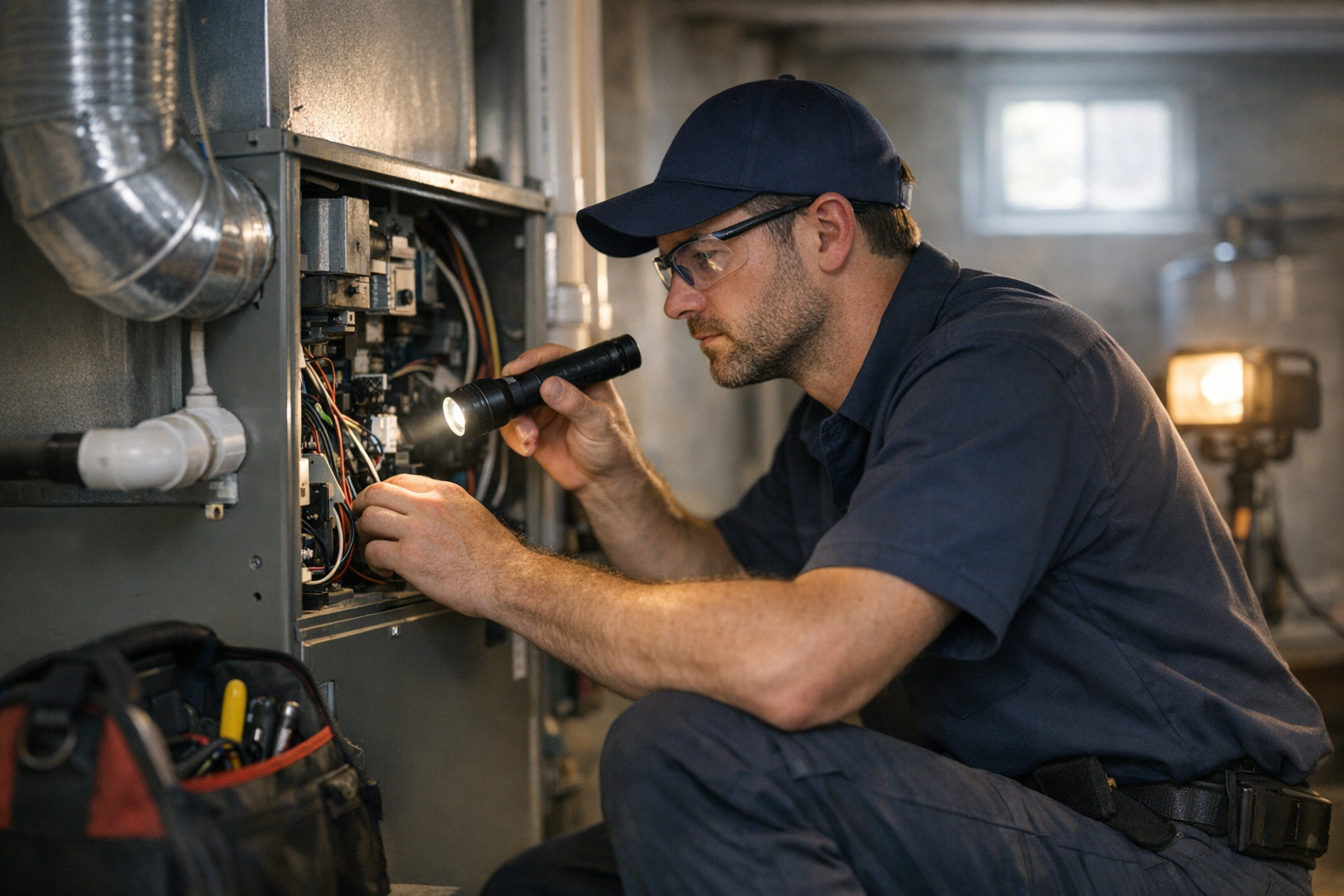
**Annual professional inspections** catch electrical issues before they spark fires. Technicians check wiring connections, clean components, and test safety controls that prevent overheating.
Ductwork and Drainage Maintenance
Condensate drains clog with algae and debris, causing water to back up into walls and ceilings. This hidden moisture damage costs homeowners an average of $7,500 to remediate.
Clean condensate lines monthly with a wet vacuum or compressed air. Replace damaged insulation around ducts to prevent condensation from forming in unconditioned spaces.
Plumbing Maintenance Stops Water Disasters Before They Start
Water damage accounts for 23% of all property insurance claims, with the average claim exceeding $11,000. Most water disasters stem from preventable plumbing failures.
**Water heater maintenance** extends equipment life and prevents catastrophic tank failures. Flush sediment annually and replace anode rods every 3-5 years to prevent corrosion.
**Supply line inspections** reveal warning signs before pipes burst. Look for:
- Rust or mineral deposits on fittings
- Water stains near pipe connections
- Reduced water pressure in fixtures
- Unusual sounds when water flows
Drain and Sewer Line Care
Blocked sewer lines cause sewage backups that contaminate entire basement levels. Professional drain cleaning every 2-3 years removes tree roots and debris before blockages form.
Install drain strainers in sinks and tubs to catch hair and food particles. Avoid chemical drain cleaners that corrode pipes and create weak spots prone to leaks.
Roof and Gutter Systems: Your Weather Defense Network
Roof failures during storms cause 34% more interior damage than direct wind or hail impact. Poor maintenance transforms minor weather events into major restoration projects.
**Shingle inspection** twice yearly reveals loose, cracked, or missing materials before water penetrates. Check flashing around chimneys, vents, and skylights where most leaks originate.
**Gutter cleaning** prevents ice dams and overflow damage. Clogged gutters force water under shingles and into wall cavities where it causes hidden structural damage.
Attic Ventilation and Insulation
Poor attic ventilation creates ice dams that force water through roof systems. Ice dams form when heat escapes through inadequate insulation, melting snow that refreezes at roof edges.
Maintain proper ventilation ratios with both intake and exhaust vents. Seal air leaks around light fixtures and access panels that allow warm air to reach roof surfaces.
Electrical System Safety Through Preventive Care
Electrical fires cause $1.3 billion in property damage annually, with faulty wiring responsible for 69% of incidents. Most electrical fires result from overloaded circuits and deteriorated connections.
**Panel inspections** identify overloaded circuits before they create fire hazards. Breakers that trip repeatedly signal wiring problems that require immediate attention.
**GFCI testing** monthly prevents electrical shock and fire in wet areas. Ground fault outlets in bathrooms, kitchens, and outdoor areas lose protection when internal components fail.
Outlet and Wiring Maintenance
Loose outlets generate heat that ignites surrounding materials. Outlets that feel warm, spark, or fail to hold plugs securely need immediate replacement.
Check extension cord usage throughout your property. Permanent reliance on extension cords indicates insufficient outlet capacity that creates fire risks.
Foundation and Structural Maintenance
Foundation problems compound during severe weather, allowing water infiltration that leads to mold growth and structural instability. Small cracks expand rapidly when subjected to freeze-thaw cycles.
**Crack monitoring** helps distinguish normal settling from serious structural movement. Measure crack width and length seasonally to track changes that require professional evaluation.
**Drainage management** around foundations prevents hydrostatic pressure that forces water through basement walls. Maintain proper grading that slopes away from the building at 6 inches per 10 feet.
Window and Door Seal Maintenance
Failed seals around windows and doors allow water penetration during wind-driven rain. This moisture creates mold growth and damages interior finishes within days.
Inspect and replace caulk annually around exterior openings. Test door thresholds for water infiltration by running a hose along the base during maintenance checks.
Creating an Effective Maintenance Schedule
Effective maintenance schedules align with seasonal weather patterns and equipment lifecycles. Spring and fall transitions present optimal timing for most preventive tasks.
**Monthly tasks** include filter changes, GFCI testing, and visual inspections of plumbing fixtures. These quick checks catch developing problems before they cause damage.
**Annual maintenance** covers major system inspections, roof evaluations, and deep cleaning of gutters and drains. Professional services handle complex tasks that require specialized tools.
Documentation and Record Keeping
Maintenance records demonstrate due diligence to insurance companies and help restoration professionals understand your property’s history. Document completion dates, findings, and any repairs performed.
Photograph equipment condition and maintain receipts for maintenance services. This documentation supports insurance claims and helps identify recurring problems that need attention.
When Prevention Fails: Knowing When to Call Professionals
Even diligent maintenance cannot prevent all disaster scenarios. Severe weather events, equipment failures, and unexpected incidents still require professional restoration services.
Recognize when damage exceeds DIY capabilities. Water extraction, mold remediation, and fire damage restoration require specialized equipment and expertise to prevent further damage.
Act quickly when disaster strikes. Most restoration companies recommend calling within 24-48 hours to minimize secondary damage from moisture and smoke residue.
Finding Qualified Restoration Professionals
When disasters occur despite preventive maintenance, qualified restoration professionals minimize damage and restore your property efficiently. Choose contractors with proper licensing, insurance, and industry certifications.
Regular maintenance reduces the severity of damage that restoration companies must address. Well-maintained properties typically require less extensive repairs and shorter restoration timelines.
**Browse disaster cleanup and restoration listings** on https://restorationlocator.com to find certified professionals in your area. Filter by service type, location, and customer reviews to identify contractors who meet your specific needs. Start your search today to connect with qualified restoration experts before emergency situations arise.
Sources
- National Fire Protection Association – Electrical Fire Statistics
- Insurance Information Institute – Water Damage Claims Data
- EPA – Mold Prevention and Cleanup Guidelines