
Spring showers bring welcome relief from winter’s grip, but they also create perfect conditions for basement flooding. A single heavy downpour can overwhelm unprepared drainage systems and turn your basement into a costly disaster zone.
Taking proactive steps now can save you thousands in water damage repairs. The key is addressing vulnerabilities before the next storm hits.
Why Spring Weather Creates Basement Flooding Risks
Spring creates a perfect storm of flooding conditions. Melting snow saturates the ground while seasonal rains add extra water pressure around your foundation.
**Ground saturation** reduces soil’s ability to absorb additional water. When spring showers arrive, excess water has nowhere to go except toward your basement walls.
Temperature fluctuations cause freeze-thaw cycles that create new foundation cracks. These openings provide direct pathways for water infiltration during heavy rains.
Essential Steps to Prevent Basement Flooding
Inspect and Clean Gutters
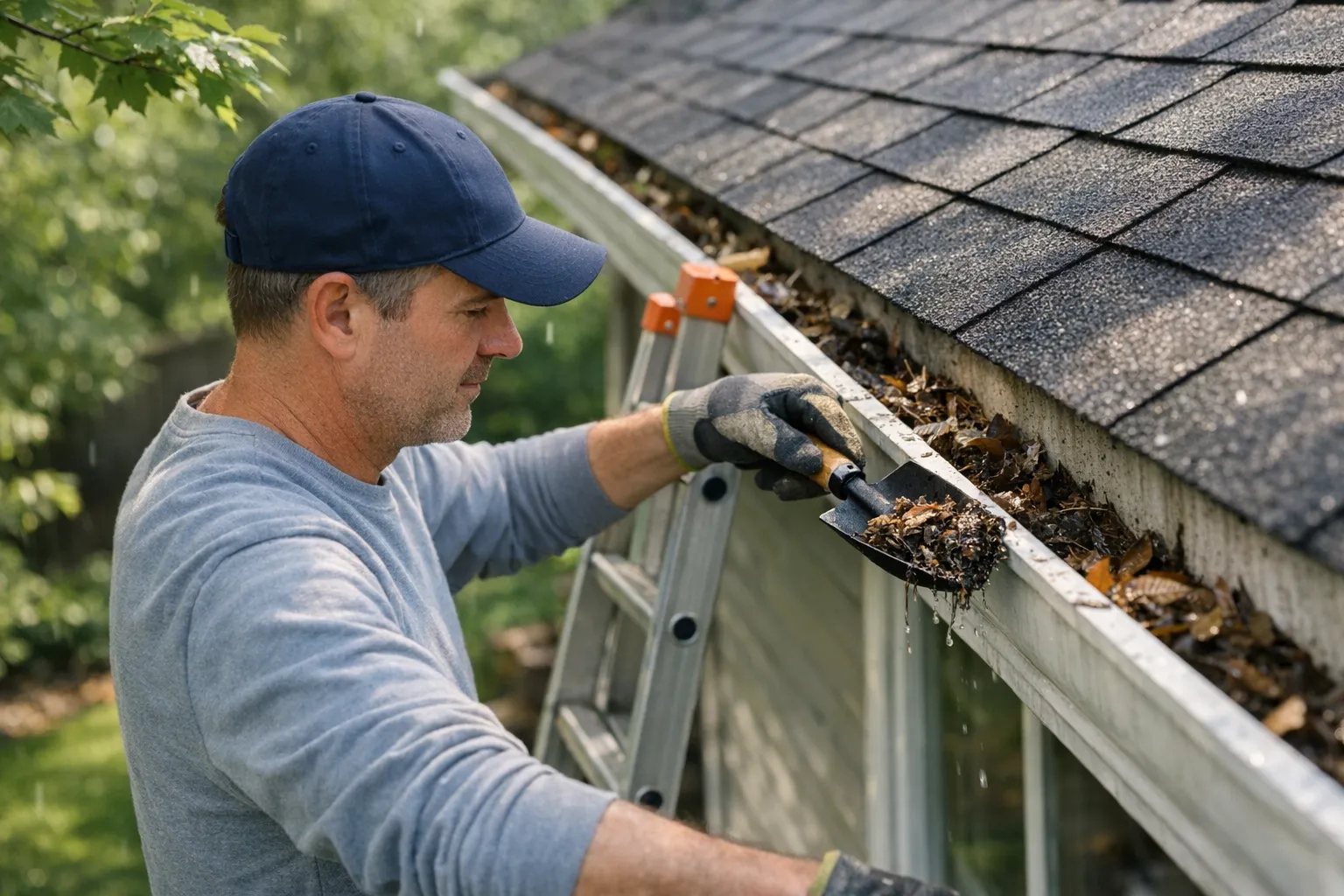
Clogged gutters dump water directly against your foundation instead of directing it away from your home. Clean all gutters and downspouts before spring weather arrives.
Check for loose connections, sagging sections, and damaged brackets. Replace any damaged components immediately.
**Extend downspouts** at least six feet away from your foundation. Consider installing splash blocks or underground drainage extensions for better water management.
Grade Your Landscape Properly
Soil around your foundation should slope away from your home at a minimum grade of six inches over the first ten feet. This directs surface water away from basement walls.
Add clean fill dirt if needed to create proper grading. Avoid using mulch or organic materials directly against your foundation, as these retain moisture.
Maintain Your Sump Pump System
Test your sump pump monthly by pouring water into the pit until the float triggers activation. The pump should start quickly and discharge water smoothly.
Key maintenance tasks include:
- Clean debris from the sump pit
- Check the discharge pipe for clogs or damage
- Test the backup power source if installed
- Replace the pump every 7-10 years
Install a **battery backup system** to keep your pump running during power outages that often accompany severe storms.
Seal Foundation Cracks
Even hairline cracks can allow significant water penetration during heavy rains. Inspect your foundation walls both inside and outside for any visible damage.
Small cracks can be sealed with hydraulic cement or polyurethane sealant. Larger cracks or those showing signs of structural movement require professional evaluation.
Pay special attention to areas where utilities enter your home, as these penetrations often develop leaks over time.
Advanced Waterproofing Measures
Install Interior Drainage Systems
French drains installed along interior basement walls collect water before it can pool on your floor. These systems direct water to your sump pump for removal.
**Perimeter drainage** works by intercepting groundwater that seeps through foundation walls. The system includes perforated pipes, gravel, and vapor barriers.
Apply Basement Waterproofing
Interior waterproofing includes applying sealants to basement walls and installing vapor barriers. This approach addresses minor seepage issues effectively.
Exterior waterproofing provides more comprehensive protection but requires excavating around your foundation. This method includes applying waterproof membranes and installing drainage systems.
Consider Window Well Protection
Basement window wells collect water during heavy rains and can leak into your basement. Install proper drainage in each well and ensure covers fit securely.
**Window well covers** keep rain out while allowing natural light in. Choose covers that can support snow loads and won’t crack in freezing temperatures.
Emergency Preparedness for Spring Storms
Keep emergency supplies readily available during spring storm season. Store a portable pump, extension cords, and tarps in an accessible location.
Know how to shut off electricity to your basement safely. Water and electricity create deadly combinations, so power should be disconnected before entering a flooded area.
Document your basement’s condition with photos before storm season. This documentation helps with insurance claims if flooding occurs despite your prevention efforts.
When to Call Restoration Professionals
Some flooding prevention measures require professional expertise. **Structural foundation issues**, major drainage installations, and electrical work should be handled by qualified contractors.
If you discover extensive foundation damage or recurring water problems, professional assessment can identify the best solutions for your specific situation.
Acting quickly when you notice water intrusion prevents minor issues from becoming major restoration projects. Early intervention saves both money and your basement’s structural integrity.
Monitoring and Maintenance Schedule
Create a seasonal maintenance checklist to prevent basement flooding year after year. Spring inspections should focus on winter damage and storm preparation.
Monthly tasks during spring include testing sump pumps, checking basement walls for new cracks, and clearing any debris from drainage systems.
**Annual professional inspections** of your waterproofing systems help identify potential problems before they cause flooding. Many issues develop gradually and aren’t immediately visible to homeowners.
Taking proactive steps to prevent basement flooding protects your home investment and gives you peace of mind during spring storm season. Regular maintenance and proper drainage management significantly reduce your flooding risk.
When water damage does occur despite your best efforts, quick action minimizes the extent of restoration needed. Browse water damage restoration specialists on https://restorationlocator.com to find qualified professionals in your area.