
Tornadoes strike with little warning, making tornado preparedness your best defense against these devastating storms. Each year, the United States experiences over 1,000 tornadoes, causing billions in property damage and countless displaced families.
Proper preparation involves creating emergency plans, identifying safe spaces, and knowing how to recover when disaster strikes. Understanding both prevention and restoration steps protects your family and property.
Understanding Tornado Risk in Your Area
Tornado season typically runs from March through June, with peak activity in May. The infamous “Tornado Alley” stretching from Texas to Nebraska sees the highest activity, but tornadoes can occur anywhere.
High-risk states include Texas, Kansas, Oklahoma, Nebraska, and Iowa. However, recent decades show increasing tornado activity in southeastern states like Alabama, Mississippi, and Tennessee.
Monitor local weather patterns and understand your region’s tornado history. Many areas have specific months when tornado activity peaks, helping you time your preparation efforts.
Recognizing Tornado Warning Signs
Weather conditions create visible warning signs before tornadoes form. Supercell thunderstorms produce the rotating updrafts that spawn tornadoes.
Watch for these atmospheric indicators:
- Wall clouds – Large, rotating cloud bases hanging below the main storm
- Funnel clouds – Rotating columns extending downward from clouds
- Debris clouds – Dust and debris swirling near the ground
- Loud roaring sound – Often compared to freight trains
- Large hail – Especially stones larger than golf balls
Creating Your Tornado Preparedness Plan
Effective tornado preparedness starts with a comprehensive family emergency plan. Every household member should know their role and responsibilities when tornado warnings occur.
Your plan should designate meeting locations, communication methods, and evacuation routes. Practice your plan regularly so responses become automatic during high-stress situations.
Essential Emergency Supplies
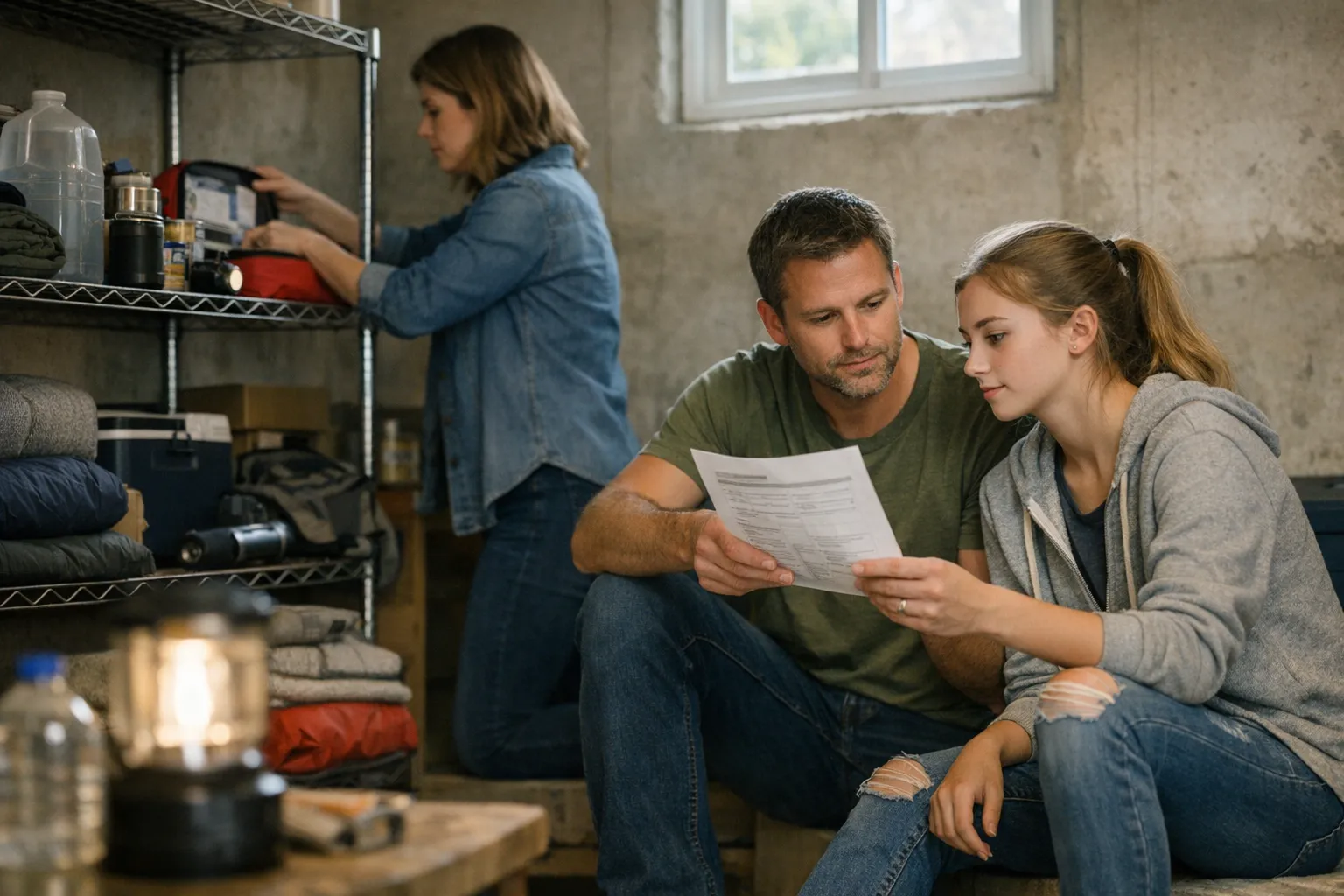
Stock emergency supplies in your designated safe room. Emergency kits should sustain your family for at least 72 hours without outside assistance.
Critical supplies include:
- Water – One gallon per person per day
- Non-perishable food – Three-day supply minimum
- Battery-powered radio – For weather updates
- Flashlights and extra batteries
- First aid kit with prescription medications
- Important documents in waterproof container
- Cash in small bills
- Emergency contact information
Communication Planning
Establish communication protocols with family members, especially those who work or attend school in different locations. Designate an out-of-state contact person who can coordinate information.
Program emergency numbers into all cell phones. Include local emergency services, your insurance company, and utility providers.
Safe Room Selection and Preparation
Identifying the safest location in your home could save lives during a tornado. Safe rooms provide protection from flying debris, the primary cause of tornado injuries and fatalities.
Choose rooms on the lowest floor, away from windows, in the center of your home. Interior bathrooms, closets, or hallways offer the best protection.
Safe Room Requirements
Your designated safe room needs specific features for maximum protection. Avoid rooms with large roof spans like gymnasiums, cafeterias, or auditoriums.
Ideal safe room characteristics:
- Interior location – No exterior walls or windows
- Small room size – Provides structural stability
- Sturdy construction – Reinforced walls and ceiling
- Heavy items secured – Remove or anchor potential projectiles
- Emergency supplies stored – Keep basics readily available
Workplace and School Safety
Know tornado procedures for locations where you spend significant time. Schools and workplaces should have designated shelter areas and established protocols.
If caught in a vehicle, never try to outrun a tornado. Exit immediately and seek shelter in a sturdy building or lie flat in a low ditch away from the vehicle.
During a Tornado: Immediate Safety Actions
When tornado warnings are issued, take immediate protective action. The National Weather Service issues tornado warnings when tornadoes are spotted or detected on radar.
Move to your predetermined safe room immediately. Do not waste time opening windows or watching the storm approach.
Protective Positioning
Once in your safe room, assume the protective position to minimize injury from debris. Proper positioning protects vital organs and reduces exposure to flying objects.
Follow these steps:
- Crouch low on hands and knees
- Cover your head and neck with hands and arms
- Face away from windows if any are present
- Use padding like pillows or mattresses for extra protection
- Stay in position until the all-clear is given
Post-Tornado Recovery and Safety
The minutes and hours following a tornado are crucial for safety and successful recovery. Hazards persist after the storm passes, requiring careful navigation of the damaged area.
Wait for official all-clear signals before leaving your safe room. Tornadoes sometimes occur in multiples, and additional storms may follow.
Immediate Post-Storm Actions
Once it’s safe to emerge, prioritize life safety over property concerns. Check for injuries and provide first aid as needed.
Essential recovery tips for the first hours:
- Account for all family members – Ensure everyone is safe
- Check for gas leaks – Evacuate if you smell gas
- Avoid downed power lines – Assume all lines are energized
- Document damage with photos – For insurance purposes
- Listen to emergency broadcasts – For updates and instructions
Structural Damage Assessment
Inspect your property carefully for structural damage before re-entering buildings. Tornadoes can compromise foundations, walls, and roofing systems that may not be immediately visible.
Look for signs of structural compromise like cracked foundations, sagging roofs, or shifted walls. If you suspect damage, contact professional inspectors before occupying the building.
Professional Restoration and Recovery
Tornado damage often requires professional restoration services to ensure safe and complete recovery. Water damage from broken pipes, roof damage, and debris removal typically exceed homeowner capabilities.
Professional restoration contractors have specialized equipment and expertise to handle tornado damage safely and efficiently. They understand insurance requirements and can document damage properly.
Choosing Restoration Professionals
Select restoration contractors carefully, as disaster areas attract unscrupulous operators. Verify licensing, insurance, and local references before signing contracts.
Use RestorationLocator.com to find verified restoration professionals in your area. Filter listings by location and services needed, and check reviews from previous customers to make informed decisions.
Insurance and Documentation
Contact your insurance company immediately to report tornado damage. Provide detailed documentation including photos, videos, and written descriptions of all damage.
Keep detailed records of all communications with insurance representatives. Save receipts for temporary housing, emergency repairs, and additional living expenses.
Long-Term Recovery Planning
Recovery from significant tornado damage can take months or years. Develop realistic timelines and budgets for repairs and rebuilding efforts.
Consider improvements during rebuilding that enhance future tornado resistance. Safe rooms, impact-resistant windows, and reinforced construction provide better protection.
Community Resources
Take advantage of available community resources during recovery. Local emergency management agencies coordinate disaster relief efforts and can connect you with assistance programs.
Federal disaster declarations may provide additional resources including low-interest loans, temporary housing assistance, and debris removal services.
Tornado preparedness combines advance planning with quick response and professional recovery assistance. Having emergency plans, safe rooms, and supplies ready protects your family when severe weather strikes.
Professional restoration services help restore your property safely and completely after tornado damage. Browse Disaster Cleanup & Restoration listings on RestorationLocator.com to find qualified professionals in your area.