
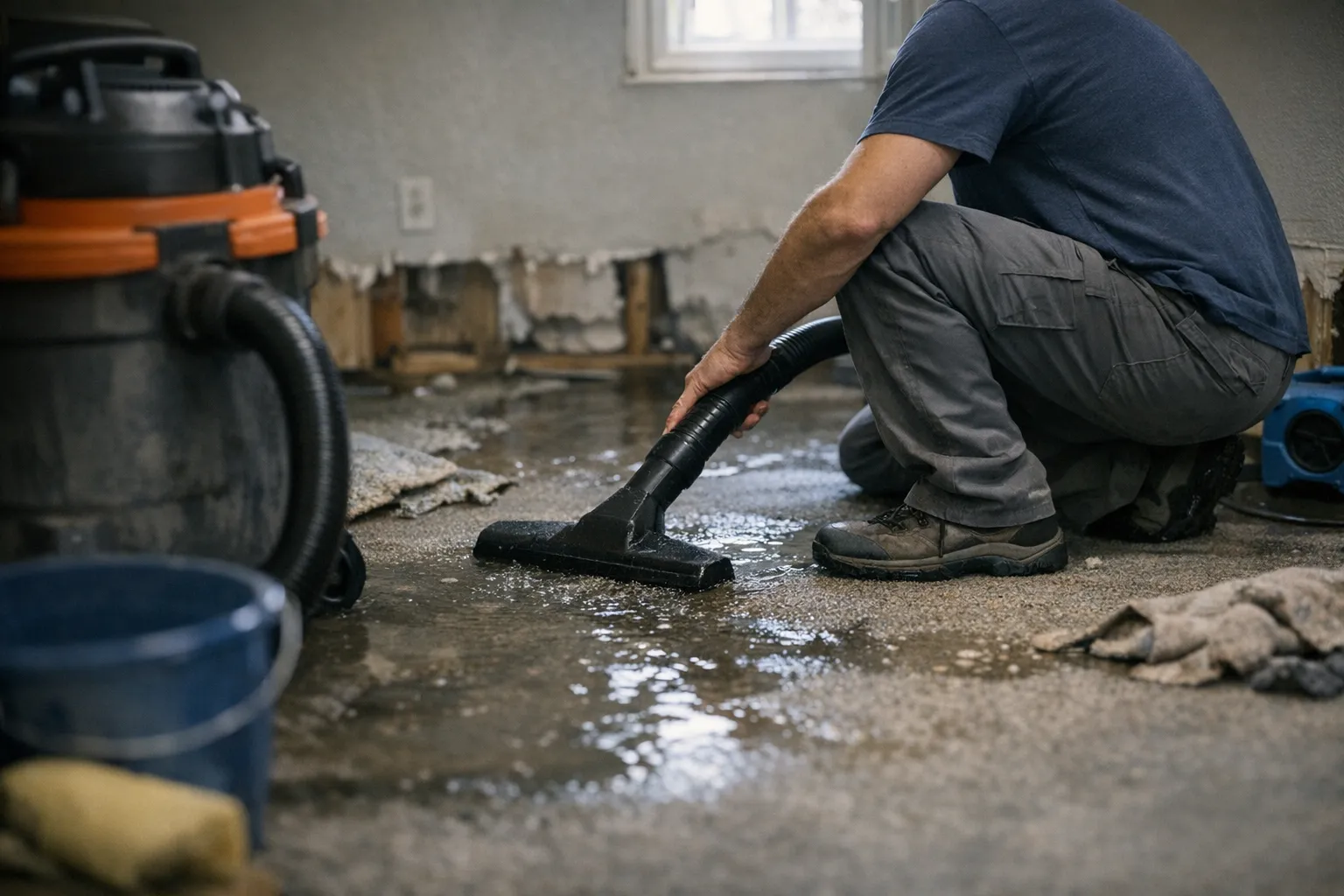
Spring Water Damage: Why the Right Tools Matter
Spring flooding affects over 4 million homes annually in the United States. **DIY water damage cleanup tools** become critical when minor flooding strikes your property during this peak season.
The combination of melting snow, heavy rainfall, and saturated ground creates unique cleanup challenges. Having the right equipment ready can mean the difference between a manageable cleanup and extensive structural damage.
Core Equipment for DIY Water Damage Cleanup Tools
Water extraction equipment forms the foundation of any effective cleanup operation. These tools remove standing water before it penetrates deeper into building materials.
Water Extraction Equipment
**Wet/dry vacuums** designed for water extraction can handle 5-20 gallons of water capacity. Look for models with at least 5 horsepower for effective suction on carpeted areas.
**Submersible pumps** remove large volumes of standing water from basements and crawl spaces. Electric pumps work for minor flooding, while gas-powered units handle deeper water levels.
**Water extraction wands** attach to shop vacuums and increase suction power on carpets. The wand design prevents fabric damage while pulling moisture from carpet padding.
Moisture Detection and Monitoring
**Moisture meters** detect hidden water in walls, floors, and ceilings. Pin-type meters penetrate surfaces, while pinless models scan without creating holes.
**Infrared thermometers** identify temperature variations that indicate moisture presence. Cool spots often signal water trapped behind walls or under flooring.
**Hygrometers** measure relative humidity levels in affected rooms. Humidity above 60% promotes mold growth within 24-48 hours.
Drying and Dehumidification Systems
Proper drying prevents secondary damage from mold and structural deterioration. Spring’s naturally high humidity makes mechanical drying systems necessary for effective cleanup.
Dehumidification Equipment
**Refrigerant dehumidifiers** work best in temperatures above 65°F. These units remove 30-70 pints of moisture per day from affected areas.
**Desiccant dehumidifiers** function effectively in cooler spring temperatures. They use silica gel or other materials to absorb moisture from the air.
Commercial-grade units process larger volumes than residential models. Rental options provide access to professional equipment without purchase costs.
Air Movement and Circulation
**High-velocity fans** create airflow patterns that accelerate evaporation. Position fans to blow across wet surfaces rather than directly at them.
**Axial fans** move large volumes of air for general circulation. **Centrifugal fans** generate focused, high-pressure airflow for targeted drying.
**Air movers** combine with dehumidifiers to create optimal drying conditions. Use one air mover per 100 square feet of affected area.
Personal Protection and Safety Equipment
Spring floodwater carries contaminants from overflowing sewers, agricultural runoff, and decomposing organic matter. Personal protection becomes critical during cleanup operations.
Protective Clothing and Gear
**Rubber boots** with non-slip soles prevent slipping on wet surfaces. Choose boots that extend above ankle height for water protection.
**Waterproof gloves** protect hands from contaminated water and cleaning chemicals. Nitrile gloves resist punctures better than latex alternatives.
**Safety glasses** shield eyes from splashing water and airborne particles. Anti-fog coatings maintain clear vision in humid conditions.
Respiratory Protection
**N95 masks** filter airborne particles and mold spores during cleanup. Replace masks every 2-3 hours or when they become damp.
**Half-face respirators** with P100 filters provide superior protection in heavily contaminated areas. These reusable units offer better face sealing than disposable masks.
Cleaning and Sanitization Tools
Spring essentials include antimicrobial treatments that address seasonal contamination patterns. Warmer temperatures and organic debris create ideal conditions for bacterial growth.
Cleaning Solutions and Chemicals
**Antimicrobial cleaners** kill bacteria and prevent mold growth on cleaned surfaces. EPA-registered products provide verified effectiveness against specific pathogens.
**Enzyme cleaners** break down organic matter in contaminated water. These biological cleaners continue working after application.
**Bleach solutions** disinfect hard surfaces when mixed at proper ratios. Use 1 cup of bleach per gallon of water for sanitization.
Application Equipment
**Pump sprayers** distribute cleaning solutions evenly across large areas. Adjustable nozzles control spray patterns from fine mist to direct stream.
**Microfiber cloths** capture contaminants more effectively than cotton materials. Use different colored cloths for different cleaning tasks to prevent cross-contamination.
**Scrub brushes** with stiff bristles remove embedded dirt from textured surfaces. Synthetic bristles resist chemical degradation better than natural materials.
Specialized Tools for Spring Cleanup Challenges
Spring water damage often involves basements, crawl spaces, and areas with poor ventilation. Specialized equipment addresses these unique conditions.
Basement and Confined Space Equipment
**Low-profile dehumidifiers** fit in crawl spaces with limited headroom. These compact units maintain effectiveness despite size constraints.
**Extension cords rated for wet locations** power equipment safely in flooded areas. GFCI protection prevents electrical hazards from ground faults.
**Portable lighting systems** illuminate work areas where flooding has damaged electrical systems. LED units generate less heat than halogen alternatives.
Structural Drying Tools
**Injection drying systems** force dry air into wall cavities through small holes. This method dries enclosed spaces without removing wall materials.
**Floor mat systems** create suction under hardwood or tile flooring. Sealed mats extract moisture from subfloors while preserving finished surfaces.
When to Call Professional Restoration Services
Certain situations exceed DIY capabilities and require professional intervention. Recognizing these limits prevents inadequate cleanup and subsequent damage.
**Category 2 or 3 water damage** involves contaminated water from sewage or external flooding. Professional restoration companies have specialized equipment and training for hazardous cleanup.
**Structural damage** including warped floors, damaged drywall, or compromised electrical systems needs professional assessment. Improper repairs create long-term problems.
**Mold growth covering more than 10 square feet** requires professional remediation according to EPA guidelines. Disturbing large mold colonies spreads spores throughout the property.
Building Your Spring Preparedness Kit
Assembling **DIY water damage cleanup tools** before spring flooding season ensures rapid response capability. Quick action within the first 24-48 hours prevents most secondary damage.
Store equipment in accessible locations above potential flood levels. Create an inventory checklist to verify all tools remain functional and ready for use.
Consider rental options for expensive equipment used infrequently. Many restoration supply companies rent dehumidifiers and air movers for short-term projects.
Cost-Effective Tool Selection Strategy
Priority purchases should focus on moisture detection and basic extraction equipment. These tools provide the highest value for preventing extensive damage.
**Moisture meters and shop vacuums** offer the best return on investment for homeowners. These versatile tools serve multiple purposes beyond water damage cleanup.
Budget-conscious buyers can find quality used equipment from restoration companies upgrading their fleets. Ensure all electrical equipment receives safety inspections before use.
Conclusion
Effective **DIY water damage cleanup tools** enable homeowners to address minor spring flooding quickly and thoroughly. The right equipment prevents small water problems from becoming major restoration projects.
However, significant flooding or contaminated water requires professional expertise and commercial-grade equipment. Knowing when to tackle cleanup yourself versus when to call professionals protects both your property and your health.
When professional help becomes necessary, browse certified restoration contractors at https://restorationlocator.com to find qualified specialists in your area.