Fire damage extends far beyond visible flames and charred materials. Professional fire damage restoration addresses hidden dangers like toxic soot penetration, structural weakening, and smoke contamination that DIY efforts often miss.
Property owners face complex challenges after fire incidents. Understanding the advantages of professional restoration helps you make informed decisions about your property’s recovery.
Why Professional Fire Damage Restoration Outperforms DIY Methods
Fire damage creates hazardous conditions that require specialized knowledge and equipment. Professionals possess training to identify structural risks, toxic materials, and contamination patterns invisible to untrained eyes.
DIY restoration attempts often worsen damage by spreading soot particles or using incorrect cleaning methods. Professional teams follow established protocols that prevent cross-contamination and secondary damage.
Insurance companies frequently require professional documentation for claims processing. Certified restoration companies provide detailed reports and photographic evidence that support your insurance claim.
Advanced Equipment and Specialized Techniques
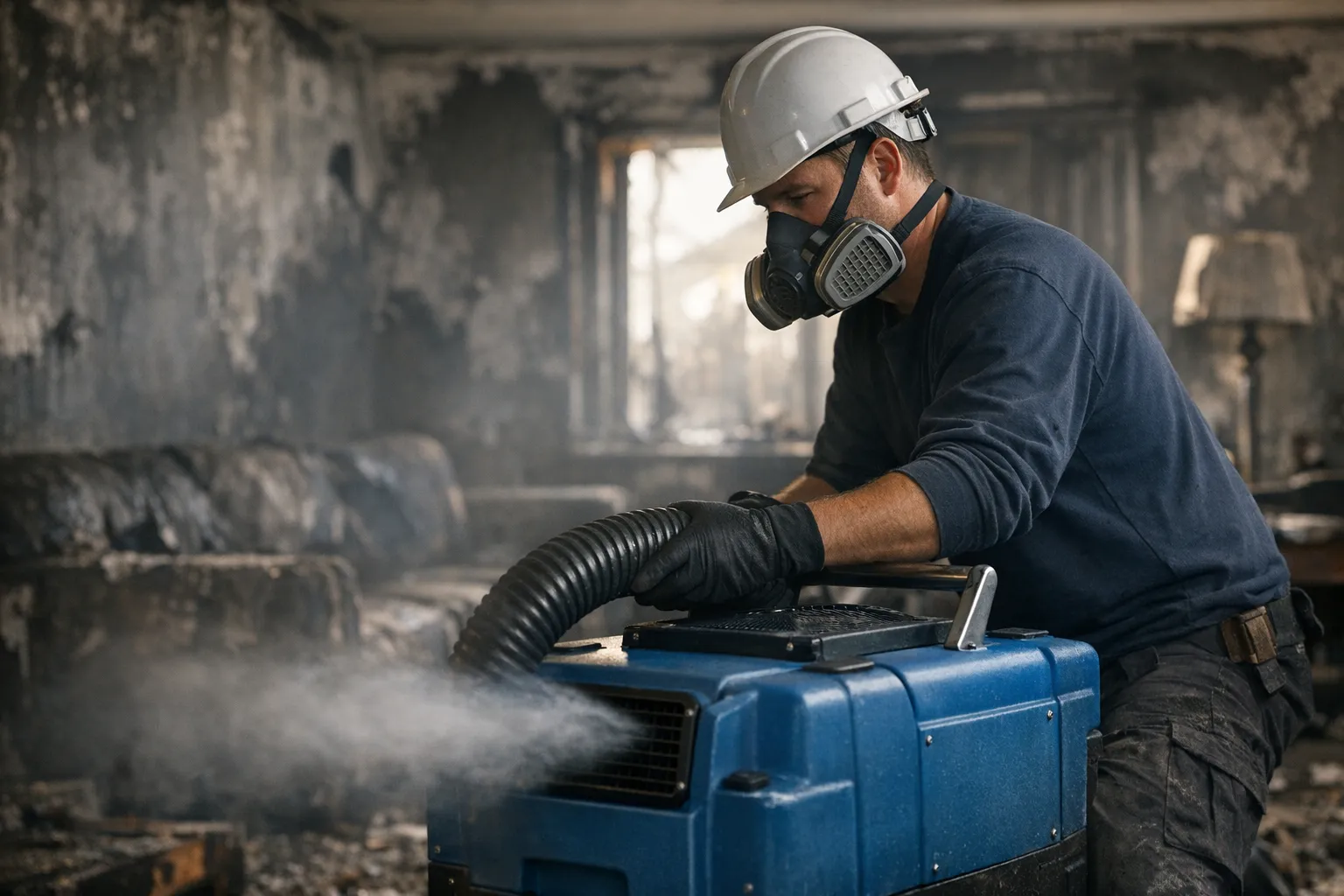
Professional restoration companies use industrial-grade equipment designed for fire damage remediation. This includes thermal foggers, ozone generators, and HEPA filtration systems that remove microscopic particles.
Commercial-grade tools include:
- High-powered air scrubbers that filter smoke particles
- Ultrasonic cleaning tanks for delicate items
- Moisture detection equipment to prevent mold growth
- Structural drying systems for water damage from firefighting
- Chemical sponges that lift soot without smearing
These tools cost thousands of dollars and require training to operate safely. Rental equipment lacks the power and precision of professional-grade machinery.
Specialized Cleaning Chemistry
Fire damage requires specific cleaning agents for different types of soot and residue. Professionals select appropriate solvents, detergents, and neutralizers based on fire type and affected materials.
Protein fires create sticky residues that require alkaline cleaners. Synthetic material fires produce acidic compounds needing different treatment approaches. Wrong chemical choices can permanently stain or damage surfaces.
Health and Safety Protection
Fire scenes contain multiple health hazards beyond obvious fire damage. Smoke penetrates building materials, creating toxic environments that persist long after flames are extinguished.
Hidden health risks include:
- Carcinogenic compounds in smoke residue
- Asbestos fibers released from damaged materials
- Lead paint particles disturbed by heat
- Mold spores from water damage
- Carbon monoxide trapped in enclosed spaces
Restoration professionals wear appropriate personal protective equipment and use containment barriers. They test air quality throughout the restoration process to verify safe conditions.
Proper Waste Disposal
Fire-damaged materials often become hazardous waste requiring special disposal methods. Professionals understand regulations for disposing contaminated materials, including electronics, textiles, and building components.
Improper disposal can result in environmental violations and fines. Licensed restoration companies handle waste disposal according to local and federal regulations.
Comprehensive Damage Assessment
Professional restoration begins with thorough property assessment using moisture meters, thermal imaging, and air quality testing. This scientific approach identifies all affected areas, including hidden damage.
Smoke travels through HVAC systems, electrical conduits, and wall cavities. Professionals trace contamination pathways to determine full restoration scope and prevent lingering odors.
Structural engineers may evaluate fire-damaged buildings for safety concerns. Professionals coordinate with other experts to address all aspects of fire damage recovery.
Documentation for Insurance Claims
Detailed documentation supports insurance claims and prevents disputes over coverage. Professional restoration companies photograph damage, catalog affected items, and maintain detailed work records.
This documentation proves the extent of damage and justifies restoration costs. Insurance adjusters rely on professional assessments when determining claim settlements.
Time-Critical Response and Efficiency
Fire damage worsens rapidly without immediate intervention. Acid soot etches metal surfaces, smoke odors penetrate deeper into materials, and water from firefighting efforts creates mold conditions.
Professional restoration teams respond quickly with coordinated action plans. They stabilize the property, prevent further damage, and begin restoration work immediately.
Time-sensitive actions include:
- Board-up services to secure the property
- Water extraction to prevent mold growth
- Smoke and soot removal before permanent staining
- Content pack-out to salvage personal belongings
- Structural cleaning and deodorization
DIY efforts lack this coordinated approach and often address problems sequentially rather than simultaneously. This delay allows damage to worsen and increases overall restoration costs.
Content Restoration and Salvage
Professional restoration companies specialize in cleaning and restoring fire-damaged contents. They use ultrasonic cleaning, ozone treatment, and specialized techniques to salvage items that appear beyond repair.
Electronics receive specialized cleaning to remove conductive soot particles. Textiles undergo professional cleaning processes that remove smoke odors and soot staining. Documents and photographs require careful handling to prevent further damage.
Pack-out services remove contents to controlled environments for cleaning. This prevents cross-contamination and allows thorough property cleaning without obstruction.
Inventory Management
Professional teams catalog all removed items with detailed descriptions and photographs. This inventory supports insurance claims and helps track items throughout the restoration process.
Electronic inventory systems allow property owners to review item status and make decisions about restoration versus replacement. This organized approach prevents lost or forgotten items.
Long-term Results and Warranties
Professional fire damage restoration provides lasting results backed by warranties and guarantees. Companies stand behind their work and address any issues that arise after project completion.
Proper restoration prevents recurring problems like persistent odors, staining, or structural issues. Professional work adds value to the property and provides peace of mind for future occupancy.
DIY restoration often requires repeated attempts to address persistent problems. These multiple interventions frequently cost more than professional restoration and may not achieve satisfactory results.
Finding Qualified Fire Damage Restoration Professionals
Selecting the right restoration company affects your property’s recovery and your insurance claim outcome. Look for companies with appropriate certifications, insurance coverage, and local experience.
Check for Institute of Inspection, Cleaning and Restoration Certification (IICRC) credentials and proper licensing in your area. Review customer feedback and verify insurance coverage before signing contracts.
Response time matters in fire damage situations. Choose companies that offer 24/7 emergency services and can begin work immediately after your call.
Professional fire damage restoration delivers superior results through specialized knowledge, advanced equipment, and proven processes. The investment in professional services protects your property value and ensures safe occupancy.
Don’t risk your health or property with DIY restoration attempts. Browse qualified fire damage restoration providers at https://restorationlocator.com today.