When disaster strikes your home, the immediate question becomes whether to tackle the cleanup yourself or call professionals. DIY cleanup works for minor incidents, but many situations demand expert intervention to protect your health and property.
This guide breaks down exactly when you can handle cleanup safely and when professional restoration becomes non-negotiable.
When DIY Cleanup Makes Sense
Small-scale cleanup projects can be manageable with the right approach. Clean water spills under 10 square feet, minor dust cleanup, and surface-level debris removal fall into this category.
Safe DIY scenarios include:
- Fresh water leaks that are caught within 24-48 hours
- Small areas of non-porous materials affected by clean water
- Surface cleaning of non-contaminated debris
- Minor smoke odor removal from washable items
- Drying out wet belongings that haven’t developed mold
Time is the critical factor here. Water damage spreads rapidly, and what starts as a minor issue can escalate within hours.
Essential DIY Safety Equipment
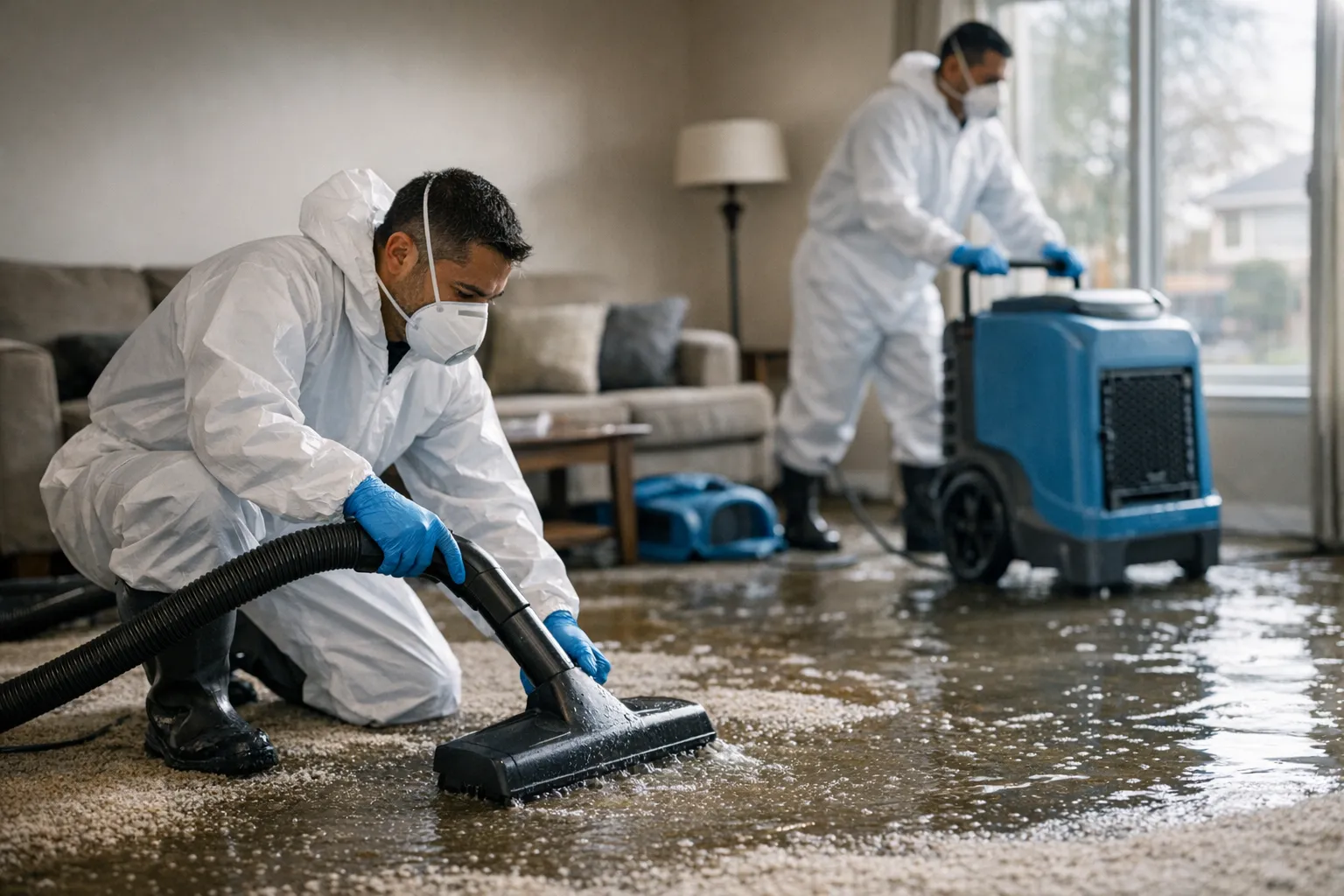
Never attempt any cleanup without proper protection. Basic safety gear includes N95 masks, rubber gloves, eye protection, and non-slip footwear.
For water cleanup, you’ll need wet vacuums, dehumidifiers, and industrial fans. Document everything with photos before starting any work for insurance purposes.
When Professional Restoration Becomes Mandatory
Certain situations pose immediate health risks or require specialized equipment beyond consumer-grade tools. Professional restoration becomes necessary when contamination, structural damage, or hazardous materials are involved.
Water Damage Red Flags
Call professionals immediately for:
- Any contaminated water (sewage, flooding, or unknown sources)
- Water affecting more than 10 square feet
- Standing water deeper than 2 inches
- Water that has been present for more than 48 hours
- Electrical systems exposed to water
Gray water from appliances and black water from sewage contain bacteria and toxins requiring specialized treatment. Home equipment cannot adequately address these contamination levels.
Mold Growth Threshold
Visible mold covering more than 10 square feet requires professional removal. Mold spreads through spores that become airborne during cleanup attempts.
Hidden mold behind walls or under flooring needs professional detection equipment. Disturbing these areas without proper containment spreads contamination throughout your home.
Fire and Smoke Damage Complexity
Fire damage involves multiple hazards beyond visible destruction. Smoke penetrates porous materials, while soot contains toxic chemicals requiring specialized removal techniques.
Structural integrity assessment becomes crucial after any fire. Load-bearing elements may be compromised even when damage appears superficial.
Hidden Smoke Damage
Smoke travels through HVAC systems, wall cavities, and insulation. DIY cleanup cannot reach these areas effectively.
Professional restoration teams use thermal imaging and air scrubbers to locate and eliminate hidden contamination. They also seal affected areas to prevent ongoing odor issues.
Health and Safety Considerations
Your safety outweighs any potential cost savings from DIY attempts. Contaminated environments expose you to bacteria, mold spores, and toxic chemicals.
Respiratory protection requires more than basic masks for many cleanup scenarios. Professional teams use supplied-air respirators and full protective suits when necessary.
Long-term Health Impacts
Inadequate cleanup leads to ongoing health problems. Residual moisture promotes mold growth, while chemical residues cause respiratory issues over time.
Children, elderly family members, and those with compromised immune systems face heightened risks. Professional restoration ensures complete contamination removal.
Insurance and Documentation Requirements
Insurance companies often require professional assessment and remediation for coverage approval. DIY attempts may void your policy benefits or reduce settlement amounts.
Professional restoration companies provide detailed documentation, moisture readings, and completion certificates insurance companies require.
Cost Comparison Reality
Failed DIY cleanup often costs more than hiring professionals initially. Hidden damage, improper drying, and recurring problems multiply expenses.
Professional equipment rental, multiple supply purchases, and time investment add up quickly. Compare these costs against professional quotes before deciding.
Finding the Right Professional Help
When professional restoration becomes necessary, choosing qualified contractors matters significantly. Look for IICRC certifications, proper licensing, and comprehensive insurance coverage.
Response time affects damage severity, so local availability becomes crucial. Many restoration companies offer 24/7 emergency services for urgent situations.
Evaluation Criteria
Check contractor credentials, read customer reviews, and verify insurance policies. Ask about their equipment capabilities and staff training levels.
Get written estimates that detail scope of work, materials, and timeline. Compare multiple quotes to understand market rates and service differences.
Use https://restorationlocator.com to filter listings by location, read verified reviews, and compare certified restoration professionals in your area.
The Bottom Line on Cleanup Decisions
Small, clean water incidents caught early suit DIY cleanup when you have proper equipment and safety gear. Everything else requires professional intervention to protect your health and property value.
When in doubt, get professional assessment before attempting cleanup. Many restoration companies provide free evaluations that help you make informed decisions.
Browse disaster cleanup and restoration listings now at https://restorationlocator.com to connect with certified professionals in your area.