
Understanding Tornado Risk and Timing
Home tornado preparation starts with understanding when and where tornadoes strike. Peak tornado season runs from April through June, with the highest activity occurring between 3 p.m. and 9 p.m.
Tornadoes can form quickly and change direction without warning. The Enhanced Fujita Scale rates tornado intensity from EF0 (light damage) to EF5 (incredible destruction with winds over 200 mph).
Most tornado-related injuries occur from flying debris rather than the wind itself. This makes proper preparation and shelter selection critical for survival.
Essential Steps for Home Tornado Preparation
Effective tornado preparation combines advance planning with immediate safety measures. Your preparation should focus on three key areas: securing your property, creating emergency supplies, and establishing communication plans.
Securing Your Property
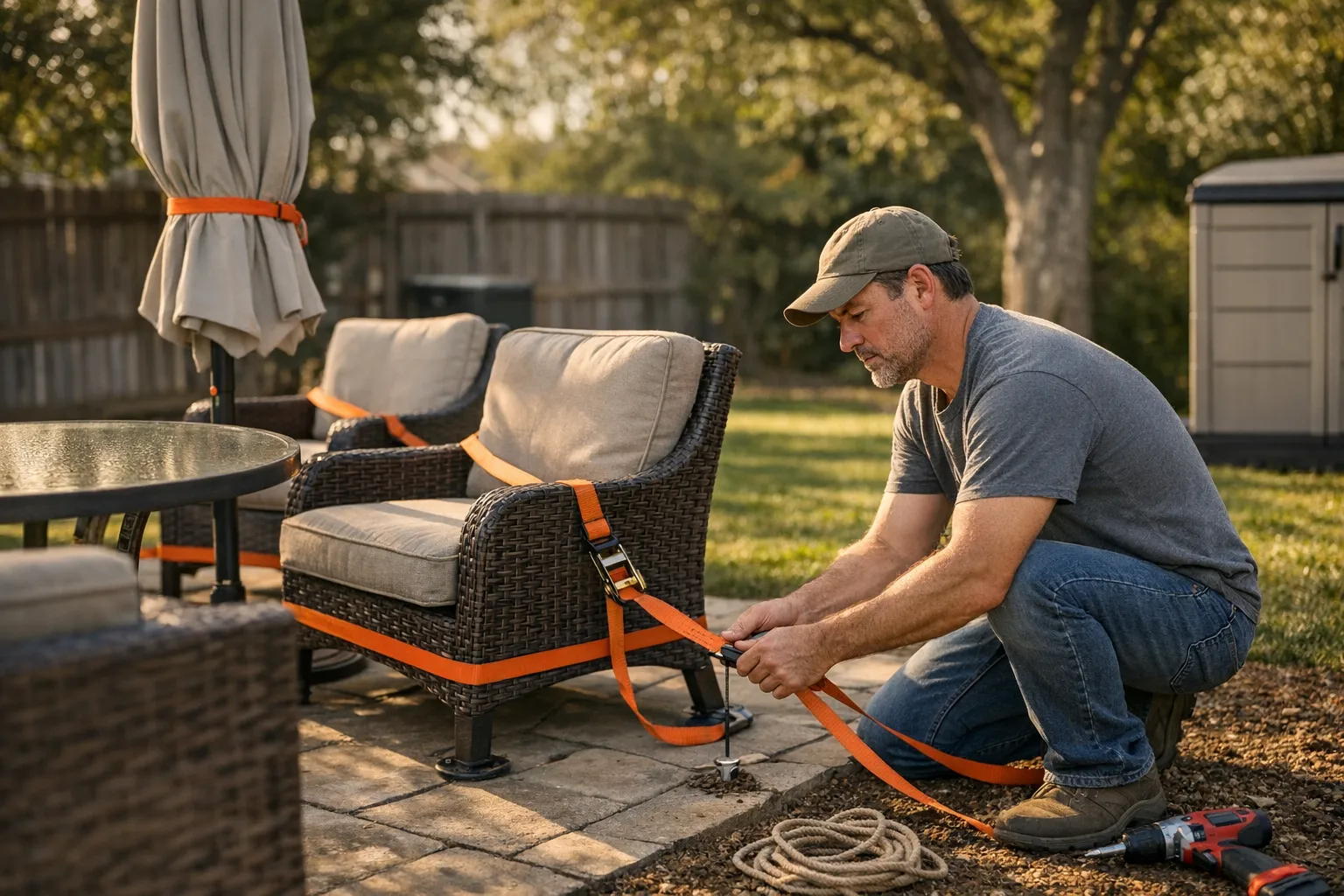
Remove or anchor outdoor furniture, grills, and decorations before severe weather arrives. These items become dangerous projectiles in high winds.
Trim tree branches that hang over your home or power lines. Dead or damaged branches break easily during storms and can cause significant property damage.
Install impact-resistant windows or storm shutters if you live in a high-risk area. Standard windows shatter easily from debris, creating additional hazards inside your home.
Building Your Emergency Kit
Every household needs a tornado emergency kit stored in your designated safe area. Your kit should contain supplies for at least 72 hours.
Include these essential items:
- Water: One gallon per person per day
- Non-perishable food: Canned goods, energy bars, dried fruits
- First aid supplies: Bandages, medications, antiseptic
- Flashlights and extra batteries
- Battery-powered or hand-crank radio
- Cell phone chargers (portable battery packs)
- Cash in small bills
- Copies of important documents in waterproof containers
- Blankets and sturdy shoes
Store your emergency kit in a sturdy container that you can easily carry. Replace food and water every six months, and check batteries regularly.
Identifying and Preparing Your Safe Room
Your safe room should be on the lowest floor of your home, away from windows and large roof spans. Basements provide the best protection, but interior closets or bathrooms work if you lack basement access.
Avoid large rooms like gymnasiums or auditoriums where the roof might collapse. Mobile homes offer no safe areas during tornadoes—residents should evacuate to a sturdy building or storm shelter.
Keep your emergency supplies, sturdy shoes, and a helmet or thick blankets in your safe room. Cover yourself with mattresses or blankets to protect against falling debris.
Safe Room Essentials
Stock your safe room with items you can access quickly during an emergency. Keep a battery-powered radio to monitor weather updates and emergency broadcasts.
Install a sturdy door that opens inward, and consider reinforcing walls if you live in a high-risk area. Some homeowners install in-ground storm shelters or safe rooms built to FEMA standards.
Creating Your Family Emergency Plan
Develop a family communication plan before tornado season begins. Choose an out-of-state contact person who can coordinate information if local phone lines become overloaded.
Practice tornado drills with your family at least twice per year. Everyone should know where to go and what to do without hesitation.
Establish meeting points both near your home and outside your neighborhood. Tornadoes can destroy familiar landmarks, making navigation difficult after the storm.
Communication Strategies
Program emergency numbers into all family members’ phones. Include local emergency management, family contacts, and your insurance company.
Text messages often work when phone calls cannot get through. Teach family members to send brief status updates via text during emergencies.
Monitoring Weather Conditions
Install a weather radio with battery backup and automatic alert features. The National Weather Service broadcasts tornado watches and warnings 24 hours a day.
Download weather apps that provide real-time radar and emergency alerts. Multiple alert sources help ensure you receive warnings even if one system fails.
Learn the difference between tornado watches and warnings:
- Tornado Watch: Conditions favor tornado development
- Tornado Warning: A tornado has been spotted or detected on radar
Never wait to see a tornado before taking shelter. Many tornadoes occur at night or are wrapped in rain, making them invisible until they strike.
Insurance and Documentation Preparation
Review your homeowner’s insurance policy to understand tornado coverage. Standard policies typically cover wind damage but may exclude flood damage from heavy rains.
Create a home inventory with photos or video of your belongings. Store copies of important documents in a fireproof safe or cloud storage system.
Keep contact information for your insurance agent easily accessible. Document any storm damage immediately with photos for insurance claims.
Post-Storm Safety and Recovery
Stay in your safe room until you receive an all-clear signal from local authorities. Tornadoes sometimes occur in groups, and additional storms may follow.
Watch for hazards when leaving your shelter: downed power lines, gas leaks, structural damage, and debris. Wear sturdy shoes and long pants to protect against cuts and punctures.
Contact your insurance company as soon as possible to begin the claims process. Take photos of damage before cleaning up, but prioritize safety over documentation.
Finding Professional Help
Tornado damage often requires immediate professional restoration services. Water damage from broken pipes or roof leaks can worsen quickly without proper mitigation.
Look for certified restoration companies with experience in storm damage cleanup. Verify licenses and insurance coverage before allowing anyone to work on your property.
When searching for restoration providers, filter listings by location and specialization to find qualified professionals in your area. Read customer reviews and compare services to make informed decisions.
Special Considerations for Different Home Types
Mobile home residents face unique challenges during tornado season. These structures cannot withstand tornado-force winds and should be evacuated immediately when warnings are issued.
Identify the nearest community storm shelter or sturdy building before tornado season begins. Many mobile home parks have designated shelter areas for residents.
High-rise apartment dwellers should avoid elevators during severe weather. Move to interior hallways or stairwells on lower floors, away from windows and potential debris impact zones.
Conclusion
Home tornado preparation combines advance planning with immediate safety measures to protect your family and property. The key steps include securing outdoor items, stocking emergency supplies, identifying safe rooms, and creating communication plans.
Preparation saves lives and reduces property damage when tornadoes strike. Start your preparation now, before severe weather threatens your area.
If tornado damage affects your home, professional restoration services can help you recover quickly and safely. Browse certified storm damage restoration providers at https://restorationlocator.com to find qualified professionals in your area.