
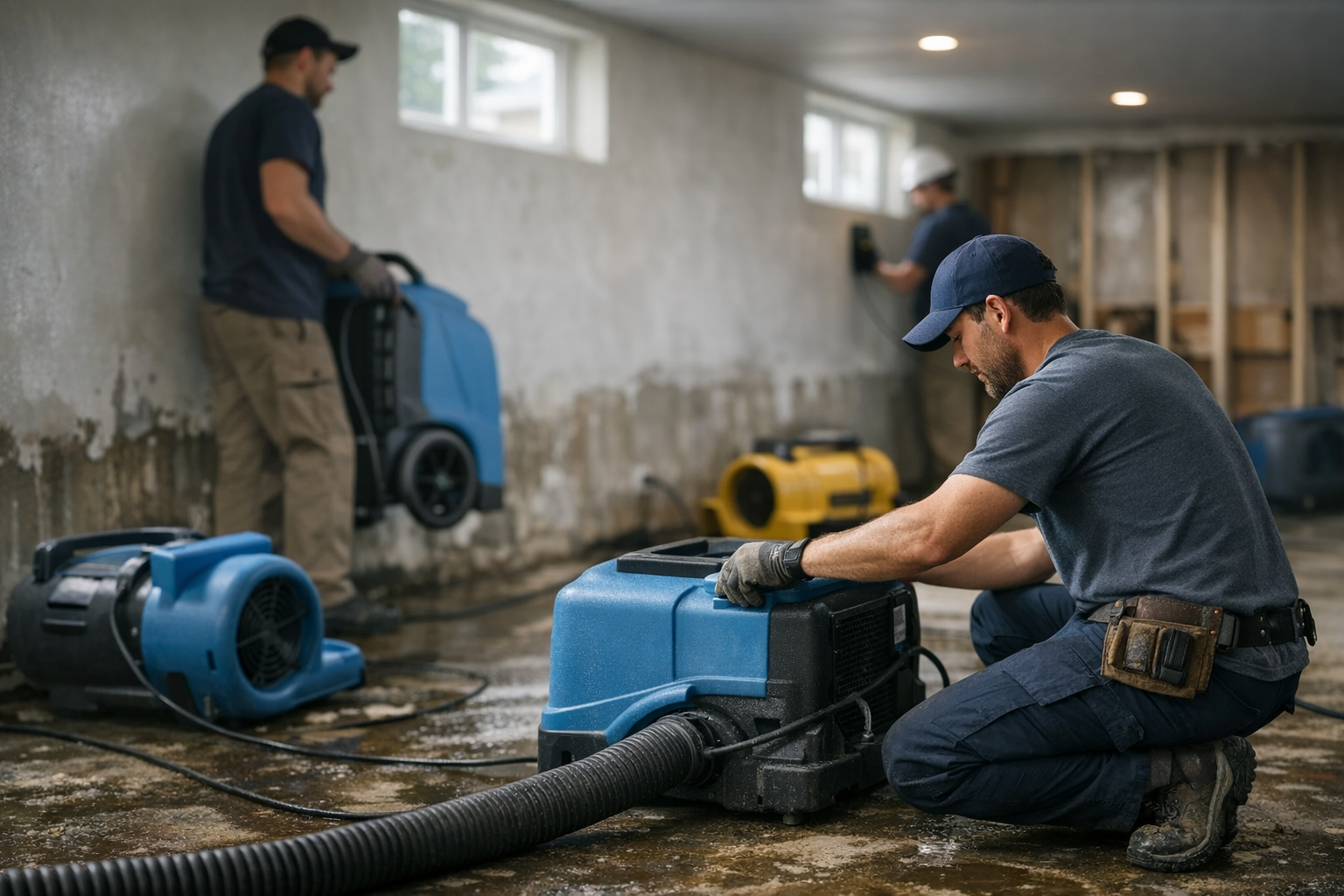
Disaster restoration costs can vary dramatically based on damage type, scope, and location. Water damage restoration averages $1,300 to $5,100, while fire damage restoration ranges from $2,600 to $18,100. Understanding these financial realities helps property owners make informed decisions when disaster strikes.
This breakdown covers actual restoration costs across different disaster types. You’ll learn how insurance coverage works, what expenses you might face out-of-pocket, and how to budget for restoration work.
Water Damage Restoration Costs Breakdown
Water damage restoration costs depend heavily on the affected area size and contamination level. Clean water damage (Category 1) costs significantly less than sewage backup cleanup (Category 3).
Category 1 water damage affects small areas like single rooms or basements. Costs range from $1,300 to $3,200 for basic extraction, drying, and sanitization.
Category 2 gray water damage includes washing machine overflows or toilet bowl water without feces. Restoration costs increase to $2,800 to $4,600 due to additional contamination protocols.
Category 3 black water damage involves sewage or flood water containing harmful bacteria. These projects cost $4,200 to $8,500 because they require specialized equipment and disposal methods.
Additional Water Damage Factors
Structural drying adds $200 to $400 per room depending on humidity levels and air circulation needs. Hardwood floor restoration ranges from $8 to $15 per square foot for refinishing or $12 to $20 for replacement.
Mold remediation becomes necessary when water sits for more than 48 hours. Small mold infestations cost $500 to $1,200, while whole-house remediation reaches $15,000 to $30,000.
Fire and Smoke Damage Restoration Costs
Fire damage restoration involves multiple phases including debris removal, structural cleaning, and odor elimination. Minor fire damage affecting one room costs $2,600 to $4,800.
Moderate fire damage spanning multiple rooms ranges from $8,200 to $12,500. This includes soot removal from walls, ceiling cleaning, and HVAC system restoration.
Major fire damage requiring structural rebuilding costs $15,000 to $40,000 or more. These projects involve roof replacement, wall reconstruction, and complete electrical system restoration.
Smoke Damage Specifics
Smoke damage cleanup varies by fire source and affected materials. Protein smoke from kitchen fires costs $3,200 to $6,100 to remediate because it penetrates porous surfaces deeply.
Synthetic material smoke requires specialized cleaning agents and equipment. Costs range from $4,500 to $8,900 for whole-house treatment including furniture and personal belongings.
Storm and Wind Damage Restoration Costs
Storm damage restoration focuses on structural repairs and water intrusion prevention. Roof repair costs $350 to $1,500 for minor damage like missing shingles or flashing issues.
Moderate roof damage including multiple shingle sections or fascia board replacement costs $2,200 to $8,500. Complete roof replacement ranges from $8,000 to $25,000 depending on home size and materials.
Window replacement after storm damage costs $300 to $800 per standard window. Sliding doors range from $1,200 to $3,500 including installation and weatherproofing.
Structural Storm Damage
Foundation crack repair from settling or tree damage costs $400 to $1,200 per linear foot. Basement flooding from storm damage combines water extraction ($1,100 to $2,700) with structural drying and potential foundation sealing.
Siding replacement varies by material type. Vinyl siding costs $5 to $12 per square foot, while fiber cement ranges from $8 to $18 per square foot installed.
How Insurance Coverage Affects Your Out-of-Pocket Costs
Standard homeowners insurance covers sudden and accidental water damage but excludes flood damage from external sources. This distinction affects your financial responsibility significantly.
Most policies include a deductible ranging from $500 to $2,500. You pay this amount before insurance coverage begins, regardless of total damage costs.
Coverage limits vary by policy type and dwelling value. Basic policies may cap water damage coverage at $10,000 to $25,000, while expanded coverage reaches $100,000 or more.
What Insurance Typically Covers
- Sudden pipe bursts and appliance malfunctions
- Fire damage from accidental causes
- Wind and hail damage to roof and siding
- Emergency board-up and tarping costs
- Additional living expenses during restoration
Common Insurance Exclusions
Flood damage requires separate flood insurance through FEMA or private carriers. Standard policies exclude rising water from storms, rivers, or storm surge.
Gradual damage from slow leaks or poor maintenance gets denied regularly. Insurance covers sudden events, not deterioration over time.
Mold coverage limits range from $1,000 to $10,000 per occurrence. Extensive mold growth often exceeds these limits, creating significant out-of-pocket expenses.
Emergency Response vs. Full Restoration Pricing
Emergency mitigation focuses on preventing further damage and costs less than full restoration. Water extraction and initial drying range from $300 to $1,200 depending on affected area size.
Emergency board-up after fire or storm damage costs $200 to $600 per opening. Temporary roof tarping ranges from $400 to $1,500 based on coverage area and accessibility.
Full restoration begins after emergency mitigation and includes rebuilding, refinishing, and returning property to pre-loss condition. This phase typically costs 3 to 5 times more than emergency response.
Timeline Impact on Costs
Faster response reduces total restoration costs by preventing secondary damage. Delaying water extraction by 24 hours can double total costs due to increased mold risk and structural damage.
Emergency response within 4 hours of water damage typically prevents flooring replacement. Response delays of 48 hours or more often require complete flooring removal and subfloor treatment.
Regional Cost Variations
Labor costs vary significantly by geographic location and local demand. Metropolitan areas like New York or San Francisco see restoration costs 40% to 60% higher than national averages.
Rural areas may have lower labor costs but higher material transportation expenses. Limited contractor availability in remote locations can increase project timelines and costs.
Seasonal demand affects pricing in disaster-prone regions. Hurricane season in Florida or wildfire season in California creates higher demand and increased pricing for restoration work.
Material Cost Factors
Local building codes influence material requirements and costs. Coastal areas may require hurricane-rated materials that cost 20% to 30% more than standard alternatives.
Supply chain disruptions can double material costs temporarily. Planning for potential delays and price fluctuations helps avoid budget surprises during restoration projects.
Getting Accurate Cost Estimates
Multiple estimates from certified restoration companies provide realistic cost expectations. Request detailed breakdowns including labor, materials, and equipment rental separately.
Scope of work documents should specify included tasks, timeline expectations, and cleanup responsibilities. Clear documentation prevents cost disputes and change orders during restoration.
Emergency estimates may differ from final costs as hidden damage gets discovered during demolition. Budget an additional 15% to 25% for unexpected findings in older homes.
Red Flags in Restoration Estimates
Extremely low bids often indicate incomplete scope assessment or substandard materials. Legitimate restoration requires specialized equipment and certified technicians that cost money.
Cash-only contractors or door-to-door solicitors after disasters frequently provide poor workmanship. Licensed restoration companies accept insurance assignments and provide written warranties.
Restoration costs represent a significant financial investment that requires careful planning and realistic expectations. Water damage restoration averages $1,300 to $5,100, while fire damage ranges from $2,600 to $18,100 depending on scope and contamination levels. Understanding insurance coverage limits and exclusions helps you budget for potential out-of-pocket expenses.
When disaster strikes, having pre-researched restoration companies saves valuable time and money. Browse certified disaster cleanup and restoration providers on https://restorationlocator.com to find qualified contractors in your area before you need them.