
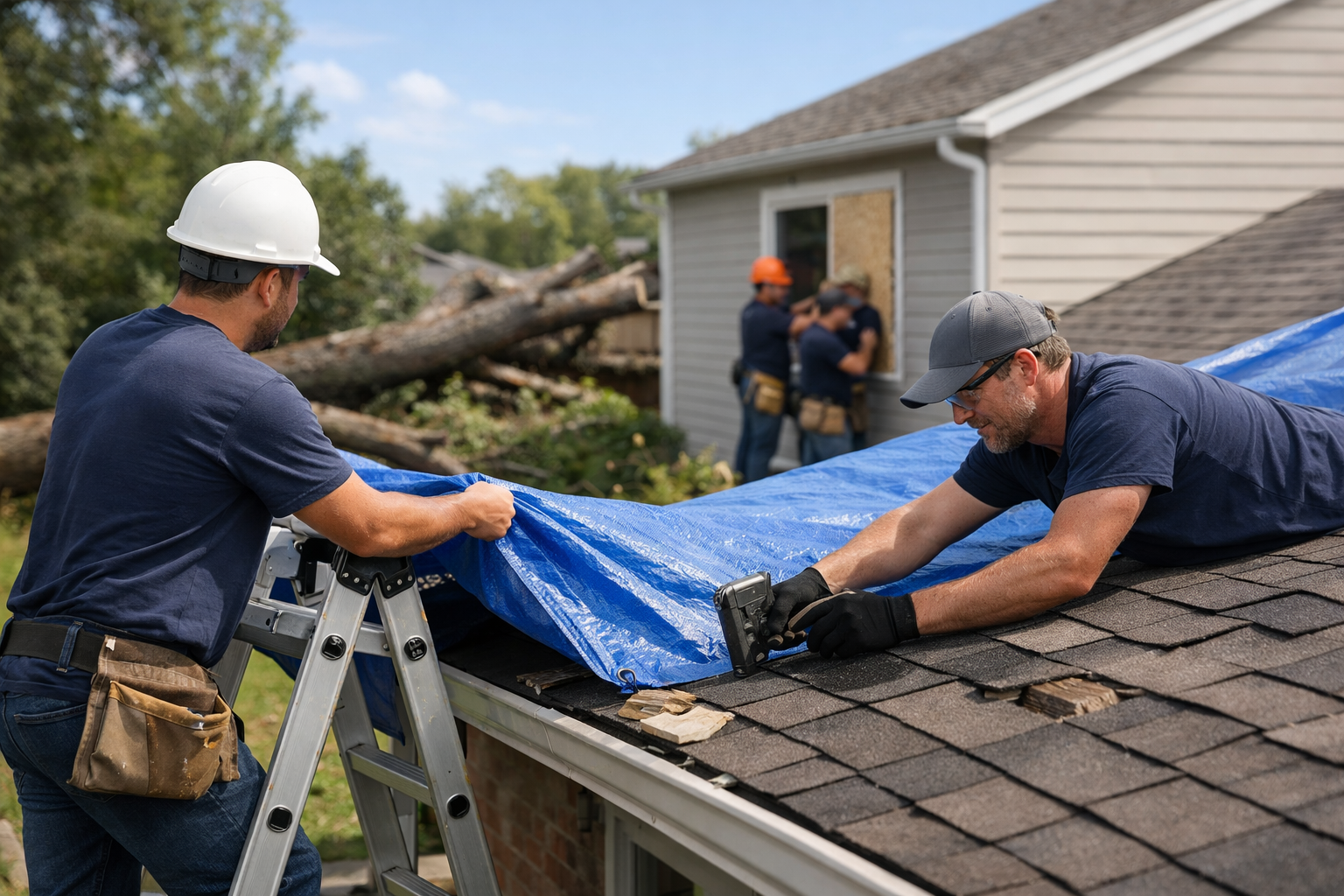
A summer derecho can flatten a mature oak onto your roof in seconds, then leave you competing with hundreds of neighbors for the same crews. Choosing the right wind damage restoration company in that moment decides whether your home dries out in days or sits soaked for weeks.
This post breaks down what separates a fast, capable wind restoration crew from a storm-chaser. You will learn which questions to ask, which credentials matter, and how to filter listings to find help near you.
What Wind Damage Restoration Involves After Summer Storms
Wind damage restoration is the repair and drying work that follows structural harm from high winds, downed trees, and wind-driven rain. Summer windstorms create a specific mix of problems that differ from winter or hurricane damage.
Straight-line winds and derechos hit in July and August across the Midwest and Plains. They peel shingles, snap limbs, and drive rain sideways into attics and wall cavities.
The heat that follows the storm matters. Wet insulation and drywall in 90-degree humidity grow mold within 48 hours. Speed is not a luxury here.
Common Summer Wind Damage a Crew Must Address
- Partial roof loss from lifted or missing shingles, exposing decking to sun and rain
- Tree impact puncturing roofs, garages, or fences
- Wind-driven rain intrusion soaking attic insulation and ceilings
- Fascia, soffit, and gutter separation from sustained gusts
- Window and siding damage from flying debris
A crew that handles only one of these leaves you managing three contractors. Match the provider to the full scope of your loss.
The First 24 Hours: What a Good Provider Does
The right wind damage restoration company stabilizes your property before repairs begin. Fast emergency work stops a bad situation from getting worse.
Here is what a capable crew does in order after a summer windstorm:
- Emergency roof tarping within hours to block further rain and sun
- Board-up of broken windows and openings from debris
- Water extraction from soaked ceilings, attics, and floors
- Structural drying with commercial dehumidifiers and air movers
- Moisture mapping to find hidden water in wall cavities
- Damage documentation with photos for your insurance claim
Ask any provider how fast they can tarp a roof. In peak storm season, a crew that quotes a five-day wait cannot protect your home from the next afternoon thunderstorm.
How to Evaluate Storm Repair Services Before You Hire
Not every company that shows up after a windstorm can do the work. Summer storms draw out-of-state storm chasers who collect deposits and disappear. Vetting protects your money and your home.
Credentials That Matter
- IICRC certification for water damage and structural drying
- State contractor licensing for roofing and structural repair
- General liability and workers’ compensation insurance
- Local physical address, not a temporary post-storm setup
Ask for the license number and verify it with your state board. A local company still answers the phone six months later if a repair fails.
Questions to Ask Every Candidate
- How soon can a crew reach my property for emergency tarping?
- Do you handle both mitigation and full reconstruction?
- Will you bill my insurance directly?
- Can you provide references from this storm season?
- What is your written warranty on roof and structural repairs?
A company that dodges the insurance billing question is a red flag. Reputable storm repair services work with adjusters daily and document losses cleanly.
Matching the Provider to Your Specific Damage
Different summer wind losses call for different strengths. A tree through the roof needs a crew skilled in structural work and drying. A stripped roof with no interior water needs fast roofing and tarping.
Side-by-Side: Which Provider Fits Your Situation
- Tree impact with water intrusion: Choose a full-service restoration firm with in-house drying and reconstruction.
- Widespread shingle loss, dry interior: A roofing-focused storm crew with tarping capacity works fine.
- Attic soaked, no visible roof damage: Prioritize a water mitigation specialist with moisture mapping.
- Detached garage or fence loss: A general contractor with storm-repair backing handles this scope.
Naming your actual damage helps you skip mismatched crews. It also speeds up the estimate.
Using the Directory to Find the Right Crew
Restoration Locator lets you shortlist qualified wind damage restoration companies without cold-calling strangers. The filters do the sorting for you.
Use these steps to narrow your search after a summer windstorm:
- Sort by location to find crews that can reach you same-day
- Filter listings by service type, such as roof tarping or structural drying
- Check reviews on each listing for recent storm-season feedback
- Compare providers that handle both mitigation and rebuild
Reviews from the current storm season tell you who actually showed up. Look for comments about response time and insurance cooperation.
Insurance and Documentation Tips
Wind damage from a defined storm event is covered under most homeowner policies. Documentation decides how much of your claim gets paid.
Photograph everything before cleanup begins. Capture the tree on the roof, the soaked ceiling, and the missing shingles from the ground.
Keep receipts for emergency tarping and any hotel stay. A restoration crew that writes detailed loss reports strengthens your claim with the adjuster.
Conclusion
The right wind damage restoration company reaches you fast, tarps your roof before the next storm, and handles both drying and rebuild under one roof. Verify licensing, ask about response time, and read recent storm-season reviews before you sign anything. Matching the provider to your exact summer wind damage saves time and money.
Browse Disaster Cleanup & Restoration listings now at https://restorationlocator.com and shortlist a wind damage crew near you.
Sources
- FEMA – Wind Hazard Risk Management
- CDC – Mold Cleanup and Remediation Guidance
- NOAA National Severe Storms Laboratory – Derechos
- IICRC – Restoration Industry Certification Standards