Why Distance Matters When Disaster Strikes
When water floods your basement at 2 AM, you need a local restoration provider who can arrive within hours, not days. Local restoration companies typically respond 60-80% faster than national chains because their crews live and work in your community.
Local providers understand your area’s specific challenges. They know which neighborhoods flood during heavy rains, how homes built in the 1940s react to water damage, and which materials work best in your climate.
Faster Response Times Save Your Property
Every hour counts when dealing with water damage, fire damage, or mold growth. Local restoration teams can often reach your property within 1-2 hours of your call.
National companies may need to dispatch crews from distant locations or coordinate through multiple call centers. This delay allows damage to worsen and restoration costs to climb.
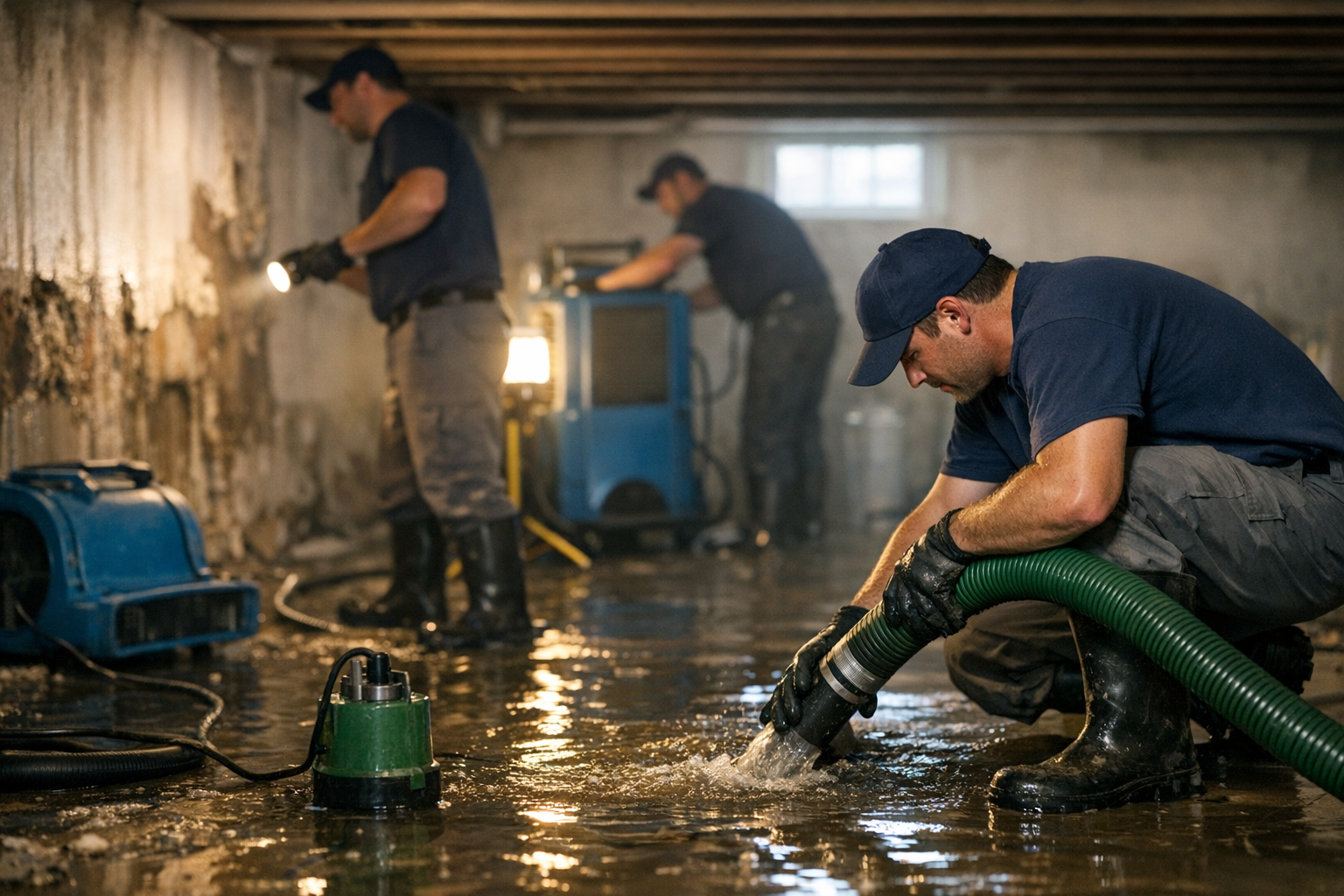
Local providers keep equipment staged nearby. Their trucks carry extraction pumps, dehumidifiers, and air movers ready for immediate deployment to your neighborhood.
Deep Knowledge of Local Building Codes and Permits
Your local restoration provider navigates city permits and inspections daily. They maintain relationships with local building departments and understand specific code requirements for your municipality.
Consider these location-specific factors that locals handle easily:
- Historic district requirements that restrict certain materials or methods
- Flood zone regulations that affect foundation work and elevation standards
- Local environmental rules for disposing of damaged materials
- City-specific permit timelines that impact project scheduling
Out-of-town contractors often struggle with these nuances, causing project delays and compliance issues.
Understanding Regional Weather Patterns and Risks
Local restoration experts recognize patterns that affect your property long-term. They know when spring flooding typically occurs, how summer humidity levels impact drying times, and which winter conditions create ice dam problems.
This knowledge shapes their restoration approach. A local team understands that homes near the river need different moisture control strategies than houses on the hill.
They stock materials appropriate for your climate and season. During hurricane season, local providers prepare for specific types of wind and water damage common in your region.
Established Relationships with Local Suppliers
Local restoration companies maintain accounts with nearby suppliers and subcontractors. These relationships mean faster material delivery and priority scheduling when demand peaks after major storms.
When a water heater flood requires immediate replacement, local providers can often source materials the same day. They know which lumber yard stocks the right flooring, which electrical supplier has the needed fixtures, and which plumber can respond quickly.
National chains often work through corporate procurement systems that add days to simple material orders.
Priority Access During Emergencies
Local suppliers prioritize their regular customers during high-demand periods. When a severe storm affects dozens of homes, established local contractors get first access to generators, pumps, and building materials.
This network advantage speeds your recovery when you need it most.
Supporting Your Community’s Economic Recovery
Choosing local providers creates a multiplier effect of community support. Money spent on local restoration services stays in your area, supporting other local businesses and maintaining jobs for your neighbors.
Local restoration companies hire from your community. Their employees live nearby, shop at local stores, and send their children to local schools.
After major disasters, this economic circulation helps the entire community recover faster. Local providers reinvest profits into better equipment and training that benefits all residents.
Personalized Service and Accountability
Local restoration providers stake their reputation on every job because word travels fast in smaller communities. Poor work affects their ability to win future projects from neighbors and local businesses.
You can easily verify a local company’s track record. Drive past recent projects, talk to neighbors who used their services, or check their work at local businesses.
Local owners often personally oversee projects or stay directly involved in customer communication. This hands-on approach ensures quality control and responsive problem-solving.
Easy Follow-Up and Warranty Service
When issues arise months after restoration work, local providers respond quickly to honor warranties or address concerns. They can’t disappear or ignore problems when their business depends on local reputation.
National companies may reassign your file to different regional offices or require lengthy corporate processes to resolve simple warranty issues.
Knowledge of Local Insurance Practices
Local restoration companies work regularly with insurance adjusters who cover your area. They understand which local agents prefer detailed documentation, which regional offices process claims faster, and how to present estimates in formats preferred by local adjusters.
This familiarity streamlines the claims process and reduces disputes. Local providers know realistic timelines for insurance approvals and can accurately estimate when work can begin.
They also understand local insurance requirements for temporary housing, contents storage, and alternative living arrangements during restoration.
How to Find Qualified Local Restoration Providers
Start your search by filtering for companies within 25 miles of your property. This distance ensures reasonable response times while maintaining a competitive selection of qualified providers.
Verify these credentials when evaluating local restoration companies:
- Local business license and current registration with your city or county
- State contractor license appropriate for restoration work
- Insurance coverage including liability and workers’ compensation
- Industry certifications from organizations like IICRC (Institute of Inspection, Cleaning and Restoration Certification)
Check online reviews, but focus on recent projects similar to your needs. A company that excels at fire damage restoration may not specialize in flood recovery.
Questions to Ask Local Providers
When contacting potential restoration contractors, ask about their local experience:
- How many projects have you completed in this neighborhood?
- What types of weather-related damage do you see most often here?
- Which local suppliers do you work with regularly?
- Can you provide references from recent projects nearby?
Strong local providers will confidently discuss their community involvement and specific area expertise.
Making the Right Choice for Your Restoration Project
Local restoration providers offer significant advantages in response time, expertise, and community support that national chains cannot match. Their deep knowledge of local conditions, established supplier relationships, and investment in community reputation create better outcomes for property owners.
When disaster strikes, you want a team that understands your specific situation and can mobilize quickly to minimize damage. Local providers deliver this combination of speed and expertise.
Browse verified local restoration providers in your area at https://restorationlocator.com to find qualified professionals ready to respond when you need them most.