
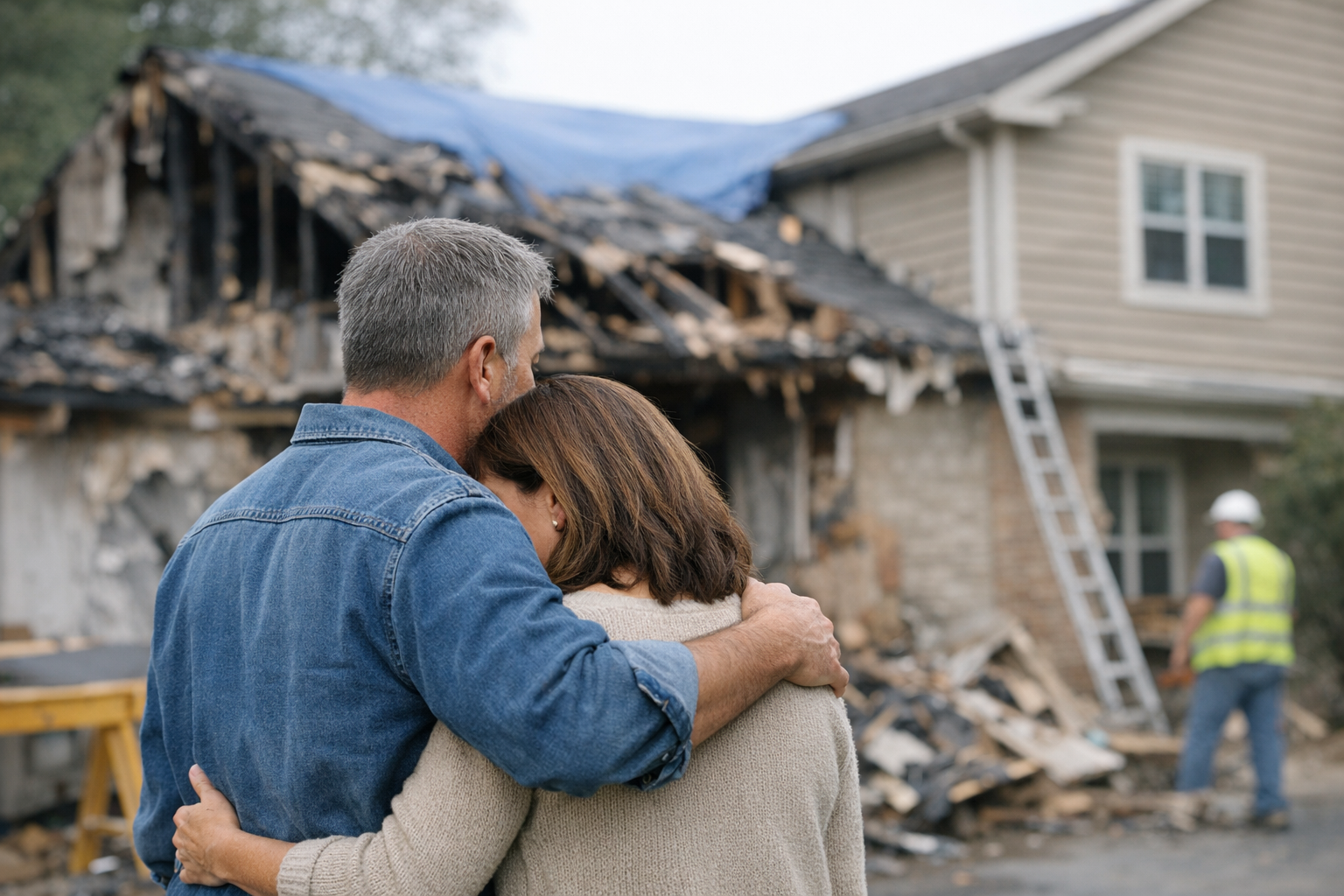
Emotional loss hits property owners like a second disaster after the initial damage ends. The grief, anxiety, and sense of violation can overwhelm people even when insurance covers the financial costs. Understanding these feelings and having a plan to address them makes the difference between a healthy recovery and prolonged suffering.
Property damage strips away more than belongings—it removes your sense of security, routine, and identity. The family photos, heirloom furniture, and familiar spaces that defined your daily life disappear in hours. This guide walks you through recognizing these emotional responses and building a recovery plan that addresses both your property and your well-being.
Understanding the Stages of Emotional Loss After Property Damage
The emotional response to property damage follows predictable patterns similar to grief counseling models. Recognizing these stages helps you understand that your feelings are normal and temporary.
Shock and denial typically last 24-72 hours after the incident. You might feel numb, disconnected, or unable to believe the damage occurred. Some people report feeling like they’re watching someone else’s life unfold.
Anger and bargaining emerge as reality sets in. You may feel furious at insurance companies, contractors, or even yourself. The “what if” thoughts become overwhelming: “What if I had checked the roof sooner?” or “What if we had stayed home that day?”
Depression and sadness often peak 2-4 weeks after the incident. The full scope of what you’ve lost becomes clear. Sleep problems, appetite changes, and difficulty concentrating are common during this phase.
Acceptance and rebuilding gradually replace the earlier emotions. You start making practical decisions about repairs and replacements. Hope returns as you see progress on restoration work.
Immediate Emotional Support Strategies
The first 48 hours after property damage set the tone for your emotional recovery. Taking specific actions during this window prevents many long-term emotional complications.
Document everything with photos before cleanup begins. This serves two purposes: insurance claims and emotional processing. Many people find that having visual records helps them work through their feelings later.
Create a temporary routine immediately. Sleep in the same relative location, eat meals at consistent times, and maintain work schedules when possible. Routine provides stability when everything feels chaotic.
Building Your Support Network
Identify three categories of support people before you need them:
- Practical helpers: People who can assist with insurance calls, temporary housing, or daily tasks
- Emotional supporters: Friends or family members who listen without trying to fix everything
- Professional resources: Therapists, clergy, or counselors experienced with trauma recovery
Reach out to these people within the first week. Don’t wait until you feel overwhelmed—early support prevents deeper emotional problems.
Managing Anxiety and Trauma Responses
Property damage creates genuine trauma for many people. Your home represents safety, and when that safety is violated, your nervous system responds accordingly.
Hypervigilance shows up as constant checking of weather reports, smoke detectors, or security systems. You might find yourself unable to relax or constantly scanning for new threats.
Avoidance behaviors include refusing to discuss the damage, avoiding the affected areas, or postponing repair decisions. While natural, excessive avoidance prolongs recovery.
Intrusive thoughts replay the discovery of damage or imagine future disasters. These thoughts often worsen at night or during quiet moments.
Practical Anxiety Management Techniques
The 5-4-3-2-1 grounding technique works when anxiety spikes. Name 5 things you can see, 4 you can touch, 3 you can hear, 2 you can smell, and 1 you can taste. This redirects your nervous system from panic mode to present awareness.
Create a “safety plan” for your temporary living situation. Know where the exits are, where emergency supplies are located, and have a communication plan with family members. Having control over your immediate environment reduces background anxiety.
Limit news and social media consumption to once daily. Constant exposure to disaster stories or insurance horror stories feeds anxiety and prevents emotional healing.
Dealing with Attachment to Lost Items
The grief over lost possessions surprises many people with its intensity. Objects carry memories, identity, and emotional significance that can’t be replaced by insurance payouts.
Irreplaceable items like family photos, inherited jewelry, or children’s artwork create the deepest sense of loss. The finality of losing these items can trigger profound sadness that feels disproportionate to their monetary value.
Identity markers such as book collections, hobby equipment, or professional tools represent parts of who you are. Losing these items can create an identity crisis: “Am I still a musician without my instruments?”
Honoring What’s Lost
Create a memorial list of important lost items. Write down not just what they were, but what they meant to you. This acknowledgment validates your grief and helps you process the loss.
Hold a informal ceremony to mark what you’ve lost. Light a candle, share stories with family, or create a photo album of memories associated with lost items. Grief rituals help your brain accept the finality of loss.
Plan thoughtful replacements for identity-important items. Don’t rush to replace everything immediately, but do prioritize items that connect you to activities or relationships that matter most.
Working with Insurance and Contractors While Grieving
Managing restoration logistics while processing emotional loss creates additional stress. Having strategies for these interactions protects your emotional energy.
Designate a point person if possible. Having one family member handle most contractor and insurance communications prevents everyone from being overwhelmed by logistics.
Schedule difficult conversations for times when you have emotional energy. Don’t handle insurance disputes first thing in the morning or late at night when you’re already depleted.
Use https://restorationlocator.com to find restoration professionals in your area. Read reviews from other customers to identify contractors who demonstrate patience and understanding during difficult circumstances.
Protecting Your Emotional Boundaries
Insurance adjusters and contractors deal with property damage daily, but this is likely your first experience. Don’t feel pressured to make immediate decisions about repairs or settlements.
Ask for 24-48 hours to review any significant proposals or settlement offers. Grief affects decision-making ability, and important choices deserve time and clear thinking.
Bring a trusted friend to major meetings with insurance representatives or contractors. Having emotional support present helps you advocate for your needs more effectively.
Rebuilding Your Sense of Security
Property damage shatters the illusion of control and safety that most people carry. Rebuilding this sense of security requires intentional effort beyond just repairing the physical damage.
Small control exercises help rebuild your confidence. Choose paint colors, select new fixtures, or rearrange furniture in undamaged areas. These decisions remind you that you have agency over your environment.
Safety upgrades during restoration can provide psychological benefits beyond their practical value. Installing better locks, security systems, or storm shutters helps you feel proactive rather than victimized.
Gradual re-engagement with normal activities prevents avoidance from becoming permanent. Start with short periods in restored areas and gradually increase your comfort level.
When to Seek Professional Mental Health Support
Emotional responses to property damage cross into concerning territory when they interfere with daily functioning for more than 4-6 weeks. Several signs indicate you need professional support.
Sleep disruption lasting more than a month signals that your nervous system needs help resetting. This includes both insomnia and excessive sleeping.
Relationship conflicts that didn’t exist before the damage often stem from unprocessed grief and stress. Family members may grieve differently, creating tension that requires professional mediation.
Substance use increases as people attempt to numb difficult emotions. Any noticeable increase in alcohol, prescription medication, or other substances warrants professional attention.
Types of Professional Support
Trauma-informed therapists specialize in helping people process sudden losses and safety violations. Look for practitioners with experience in disaster recovery or property crime.
Support groups connect you with others who have experienced similar losses. Many communities offer disaster recovery groups through religious organizations or community centers.
Employee assistance programs through your workplace often provide free short-term counseling and can be a good starting point for professional support.
Creating New Meaning After Loss
Recovery from property damage involves more than returning to your previous state. Many people find that working through the emotional loss leads to positive changes in priorities and relationships.
Value clarification happens naturally as you decide what to replace and what to leave behind. This process often reveals that you were maintaining possessions out of obligation rather than joy.
Relationship strengthening occurs when people rally to support you during difficult times. Many people report feeling closer to family and friends after experiencing their support during recovery.
Resilience building develops as you successfully navigate challenges you never imagined facing. This confidence transfers to other areas of life and creates lasting psychological benefits.
Moving Forward Without Forgetting
Healthy recovery doesn’t mean pretending the damage never happened or that it didn’t affect you. Instead, it means integrating the experience into your life story in a way that doesn’t define you.
Create new traditions that acknowledge your growth. Some families celebrate the anniversary of moving back into their restored homes or donate to disaster relief organizations annually.
Share your experience with others facing similar challenges. Helping others process their emotional loss can provide meaning and perspective on your own recovery.
Document your recovery process with photos and journal entries. Having a record of your progress helps during difficult moments and provides perspective on how far you’ve come.
Building Long-Term Emotional Resilience
The goal of emotional recovery extends beyond feeling better about this specific incident. Building resilience helps you handle future challenges with greater confidence and stability.
Emergency planning reduces anxiety by providing concrete steps for various scenarios. Create plans for different types of emergencies and practice them with family members.
Financial preparedness includes both adequate insurance coverage and emergency funds. Knowing you can handle unexpected expenses reduces the psychological impact of future incidents.
Social connections require ongoing attention. The people who supported you during this crisis deserve continued relationships, and maintaining these connections provides ongoing security.
Regular mental health check-ins, whether formal therapy sessions or informal self-assessment, help you catch emotional problems before they become overwhelming.
The emotional loss following property damage affects most people more deeply than they expect. Recognizing these feelings as normal, seeking appropriate support, and taking active steps toward healing prevents temporary trauma from becoming permanent psychological damage. Working through these emotions with patience and intentional strategies leads to genuine recovery and often unexpected growth.
Find experienced restoration professionals who understand the emotional aspects of property damage recovery. Browse disaster cleanup and restoration specialists near you at https://restorationlocator.com.