
Hail the size of a golf ball can shred an asphalt roof in under ten minutes. If you live in Colorado’s Front Range, north Texas, or the Nebraska plains, that scenario is a yearly threat. This post covers hail damage prevention steps that hold up against real summer storms.
You will learn which roof materials survive impact, how to shield vulnerable spots like skylights and vehicles, and what to do the moment hail stops falling. Every recommendation is built around homes in high-frequency hail zones.
Why Summer Hail Hits Certain Regions Harder
Hail forms when storm updrafts carry raindrops high into freezing air. Regions with strong afternoon heating and dry air below produce the largest stones. That is why Hail Alley — parts of Colorado, Wyoming, and Nebraska — sees the most damaging events.
Texas, Oklahoma, and Kansas follow close behind. Homes in Denver, Amarillo, and Wichita face repeat strikes across a single summer. Your prevention plan should match the stone sizes common to your area.
Match Your Prep to Local Hail Size
- 1-inch hail (quarter-size): Common across the Midwest. Dents gutters and soft metal.
- 1.75-inch hail (golf ball): Frequent in Texas and Oklahoma. Cracks aging shingles and vinyl siding.
- 2.75-inch hail (baseball): Seen in Colorado and Nebraska. Punctures roofs and shatters skylights.
Hail Damage Prevention Starts With Your Roof
Your roof takes the first and worst hit during any hailstorm. Impact-rated roofing is the single strongest defense. Roofing carries a Class 1 through Class 4 rating for impact resistance.
Class 4 shingles are the highest rating. They survive a 2-inch steel ball dropped from 20 feet without cracking. In Colorado, many insurers give premium discounts for Class 4 roofs.
Best Roof Materials for Hail-Prone Zones
- Metal roofing: Standing-seam steel dents but rarely punctures. Popular across the Texas Panhandle.
- Class 4 asphalt shingles: Rubberized modified asphalt flexes on impact. A cost-effective pick for most homes.
- Synthetic slate or shake: Polymer composites absorb strikes better than real slate.
- Concrete tile: Heavy and durable, though large stones can still chip edges.
Avoid three-tab asphalt shingles in Hail Alley. They crack under moderate impact and void many warranty claims.
Protect Windows, Skylights, and Vents
Glass and roof penetrations are the second failure point after shingles. Skylights shatter under baseball-size hail and flood attics within minutes. Storm shutters and impact-rated glass stop most of that damage.
Practical Steps for Openings
- Install impact-resistant window glazing on west and south exposures. Storms in the Plains usually approach from those directions.
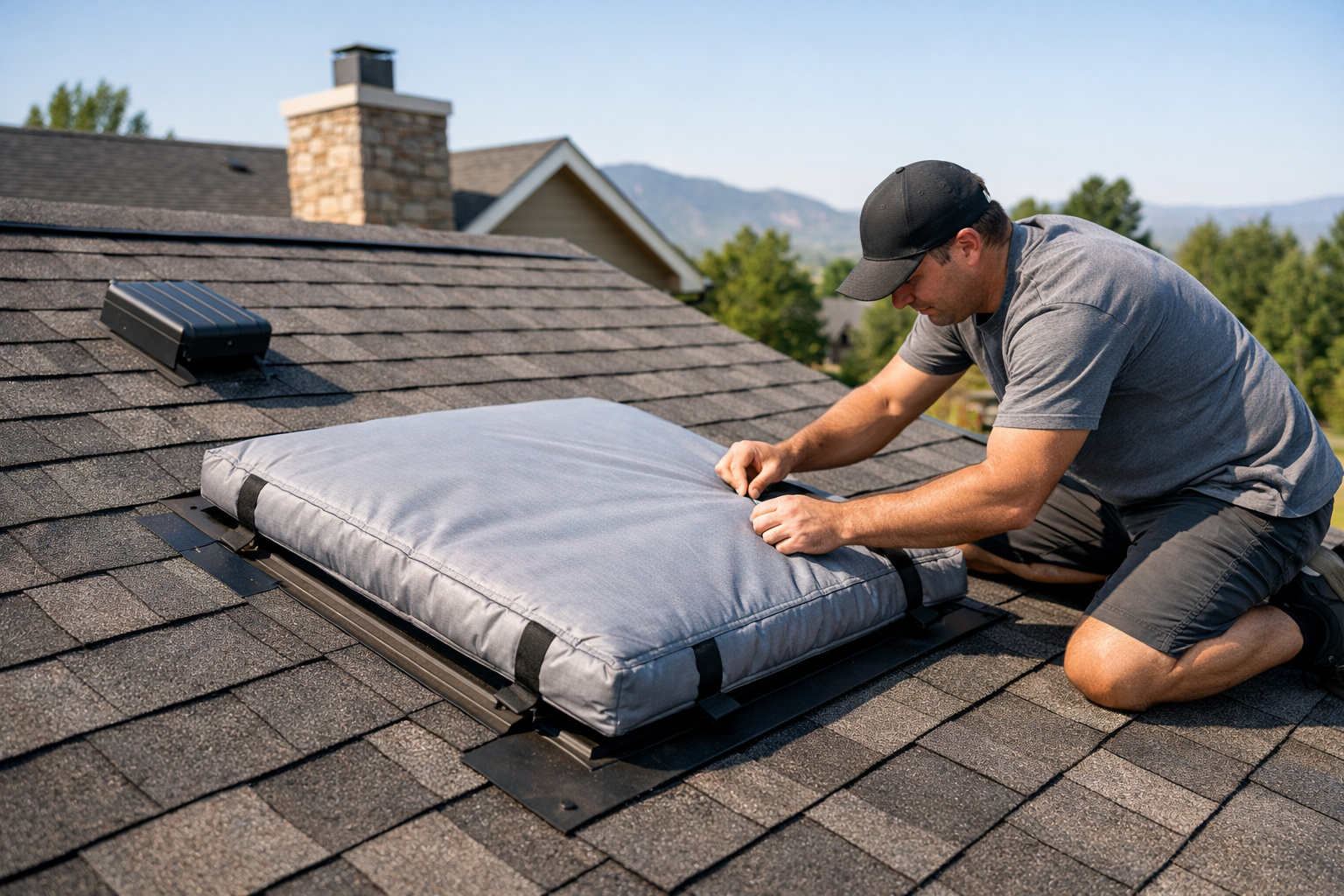
- Add polycarbonate covers over skylights. They flex instead of breaking.
- Fit metal mesh guards over roof vents and turbines.
- Keep exterior shutters closed when a severe thunderstorm warning is issued.
Summer Storm Protection for Cars, AC Units, and Landscaping
Hail damage extends well past the roofline. A single storm can total a parked car and destroy an outdoor condenser. Summer storm protection means shielding everything exposed to the sky.
Quick Actions Before the Storm
- Move vehicles into a garage or carport. No cover? Use thick moving blankets secured with bungee cords.
- Build a hail cage over your AC condenser. A hardware-cloth frame stops fins from flattening.
- Bring in patio furniture and grills. Loose items become projectiles in strong wind.
- Stake young trees. Wind-driven hail snaps thin trunks.
Do not use tarps alone on a car. Wind lifts them, and the fabric offers little cushion against large stones.
Seasonal Maintenance That Reduces Hail Risk
A roof already in decline fails faster under hail. Spring inspection catches weak spots before storm season peaks in May through July. Small fixes now prevent full replacements later.
Pre-Season Checklist
- Inspect shingles for curling, cracking, or missing granules.
- Clear gutters so meltwater and hail slush drain fast.
- Trim branches that could break and puncture the roof.
- Reseal flashing around chimneys and vents.
- Photograph your roof and exterior for insurance baselines.
That last step matters most in repeat-hail regions. Dated photos speed up claims when adjusters dispute pre-existing damage.
What to Do Right After a Hailstorm
Fast action after hail limits water damage and strengthens your claim. Water enters through cracked shingles and finds your attic within hours. Document first, then stop active leaks.
Post-Storm Steps
- Wait for the all-clear. Never inspect during lightning or continued hail.
- Photograph everything — roof, siding, windows, gutters, and vehicles.
- Check the attic for daylight, wet insulation, or drips.
- Cover leaks with a tarp until repair crews arrive.
- File your insurance claim with dated photos and notes.
Look for dented gutters and bruised shingles even if the roof seems fine. Hidden granule loss shortens roof life by years.
How to Find Hail Repair Help on Restoration Locator
After a major storm, out-of-town contractors flood affected neighborhoods. Some vanish before finishing the job. A vetted directory helps you avoid storm-chaser scams.
Use These Filters to Narrow Your Search
- Filter by location to find crews based in your metro, not passing through.
- Sort by service type for roofing, water mitigation, or full restoration.
- Check reviews from homeowners who faced the same storm season.
- Compare listings that show licensing and insurance details.
Choose a local contractor with a physical address in your region. They stand behind warranties long after the storm clears.
Key Takeaways
Hail damage prevention comes down to an impact-rated roof, protected openings, and covered vehicles and equipment. Homeowners in Hail Alley and the southern Plains should prep before May and document conditions yearly. Fast post-storm action protects both your home and your insurance claim.
Ready to repair hail damage or upgrade your defenses? Browse Disaster Cleanup & Restoration listings now at https://restorationlocator.com and connect with local crews you can trust.