
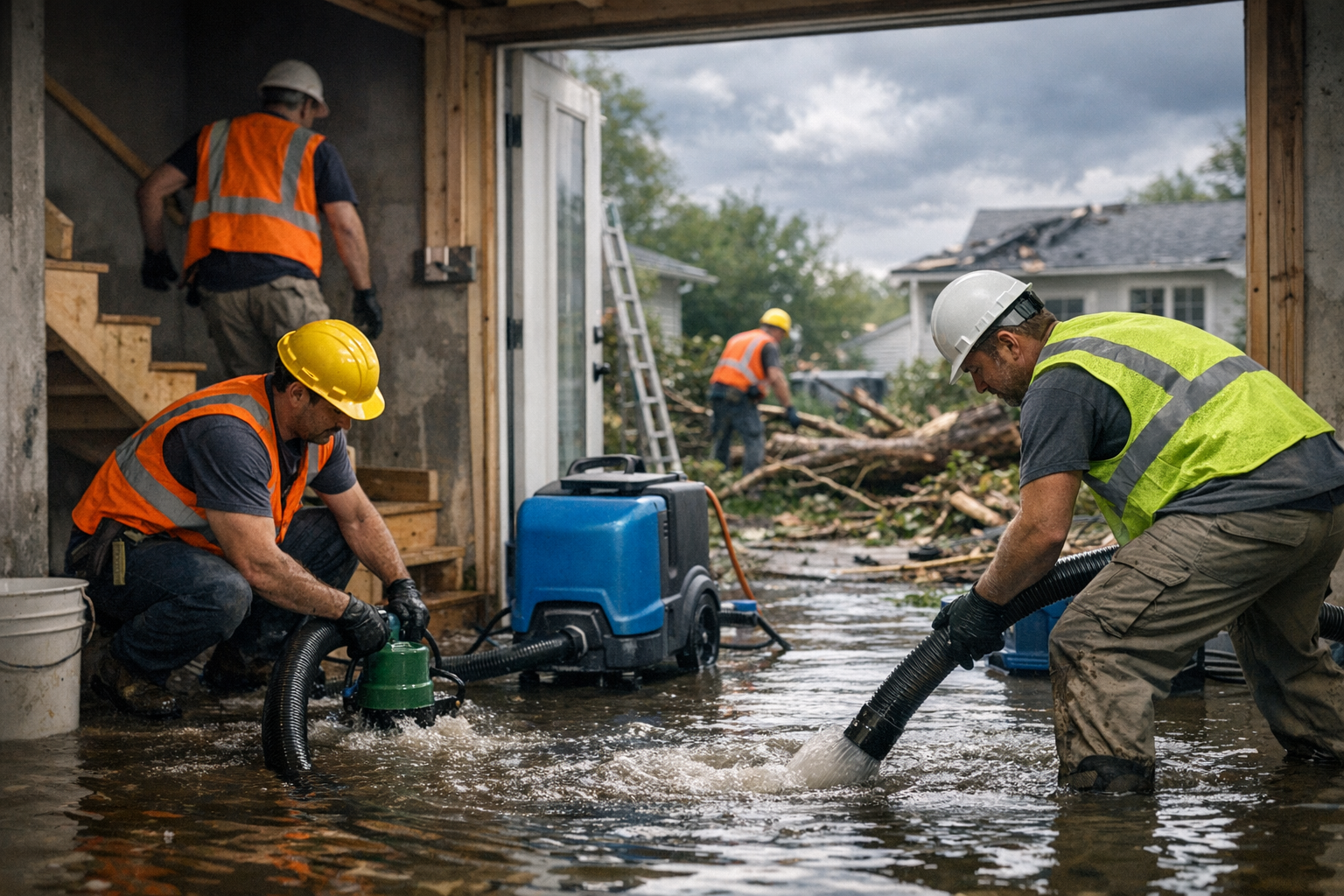
Climate shifts are reshaping disaster response across the United States. When **weather patterns** change dramatically, property damage spikes and restoration companies see demand surge in unexpected ways.
Storm intensity has increased 75% since 1980, according to NOAA data. This means restoration teams face bigger jobs, longer recovery periods, and equipment shortages during peak seasons.
How Changing Weather Patterns Drive Restoration Demand
**Extreme weather events** now occur with different timing and severity than historical averages. Hurricane seasons extend longer, drought periods intensify faster, and flash flooding hits areas previously considered low-risk.
Water damage restoration calls increase 200% during atmospheric river events in California. Mold remediation requests jump 150% in the weeks following these storms. Fire damage restoration peaks during extended dry periods that create tinderbox conditions.
The ripple effects reach beyond immediate storm damage:
- Basement flooding in Minneapolis increased 300% after 2019 due to changed precipitation patterns
- Wildfire restoration work in Colorado now spans 8 months instead of the traditional 4-month season
- Hurricane preparation starts in April instead of June along the Gulf Coast
- Ice dam damage claims doubled in the Northeast as freeze-thaw cycles became more frequent
Regional Weather Pattern Shifts and Restoration Needs
Pacific Northwest: From Drought to Deluge
The Pacific Northwest experiences more dramatic swings between drought and flooding. Restoration companies now stock equipment for both fire damage and water extraction year-round.
Portland area water damage claims rose 180% between 2020-2023. Contractors report that basement waterproofing jobs increased during traditional fire season months. Roof leak repairs peak during sudden heavy rainfall after extended dry periods.
Southeast: Extended Hurricane Seasons
Hurricane activity begins earlier and extends later. Restoration crews work 10-hour shifts from May through December instead of the traditional June-November window.
Mold growth accelerates when storms hit drought-stressed areas. Compromised building materials absorb water faster, creating ideal conditions for rapid contamination. Wind damage restoration requires specialized equipment as storm intensity increases.
Midwest: Extreme Temperature Swings
Rapid temperature changes stress building materials and plumbing systems. Pipe burst calls increase 250% during sudden freezes following warm periods.
Tornado seasons now overlap with traditional winter months. Restoration teams deploy storm response equipment earlier and maintain readiness longer. Basement flooding from ground saturation affects areas that rarely experienced water damage.
Southwest: Flash Flood Intensity
Desert areas see more intense rainfall during shorter periods. Flash flooding overwhelms drainage systems designed for gradual precipitation patterns.
Adobe and stucco restoration specialists stay busy year-round as moisture penetration damages structures never designed for heavy water exposure. Commercial properties require emergency water extraction equipment during monsoon seasons that arrive unpredictably.
Seasonal Restoration Equipment Demands
**Weather pattern changes** force restoration companies to invest in different equipment mixes. Traditional seasonal patterns no longer predict equipment needs accurately.
Air movers and dehumidifiers remain in high demand during winter months in regions experiencing off-season flooding. Fire damage restoration tools get deployed during traditional rainy seasons as drought periods extend unexpectedly.
Year-Round Water Damage Equipment
Restoration companies maintain water extraction equipment continuously instead of seasonal storage. Truck-mounted extraction units stay ready for deployment regardless of typical weather patterns.
Moisture detection equipment works overtime as hidden water damage increases. Thermal imaging cameras identify water intrusion in building materials stressed by temperature fluctuations. Structural drying fans operate during months that previously required minimal water damage response.
Fire Restoration Tool Deployment
Ozone generators and thermal foggers travel to fire zones earlier in the spring. Smoke damage cleaning equipment stays deployed longer as fire seasons extend. HEPA filtration systems handle increased particulate loads from nearby wildfires affecting indoor air quality.
Insurance Claims and Weather-Related Damage
Property insurance companies adjust claim processing timelines based on weather pattern shifts. Water damage claims processing extends during atmospheric river events that can last weeks instead of days.
Deductible structures change as “100-year floods” occur every 5-10 years in some regions. Restoration contractors work directly with adjusters who visit properties during active weather events instead of waiting for clear conditions.
Documentation requirements increase for weather-related claims. Restoration teams photograph damage progression during ongoing storms to establish timelines for insurance purposes. Moisture readings get recorded multiple times per day during extended precipitation events.
Finding the Right Restoration Specialist
Property owners need restoration contractors experienced with changing weather impacts in their specific region. Local knowledge matters more as weather patterns deviate from historical norms.
Filter restoration listings by specialization when weather damage occurs outside traditional seasons. Check contractor reviews that mention rapid response during unexpected weather events. Sort results by location to find teams familiar with your area’s specific climate challenges.
Emergency response capabilities become paramount as weather events intensify and occur unpredictably. Look for contractors who maintain equipment readiness year-round rather than seasonal operations.
Emergency Preparedness for Property Owners
Property maintenance schedules must adapt to changing weather risks. Roof inspections should occur before unexpected storm seasons that now begin months earlier.
Drainage system capacity needs evaluation as rainfall intensity increases during shorter periods. Sump pump systems require backup power sources as electrical outages coincide with flooding events. Water shut-off valve locations become critical knowledge as pipe burst risk increases during temperature swings.
Document property conditions before weather events that historically caused minimal damage. Photograph baseline conditions as insurance companies adjust coverage based on new risk assessments for changing climate impacts.
Weather pattern shifts directly impact how, when, and where restoration work occurs across the United States. Property owners benefit from understanding these changes to select appropriate restoration specialists. Contractors who adapt equipment deployment and staffing to new weather realities provide better emergency response.
Connect with experienced restoration contractors who understand your region’s changing weather challenges. Browse Disaster Cleanup & Restoration listings at https://restorationlocator.com now.
Sources
- NOAA NCEI – Billion-Dollar Weather and Climate Disasters
- FEMA – Flood Insurance Risk Rating
- Insurance Information Institute – Homeowners Insurance Facts