
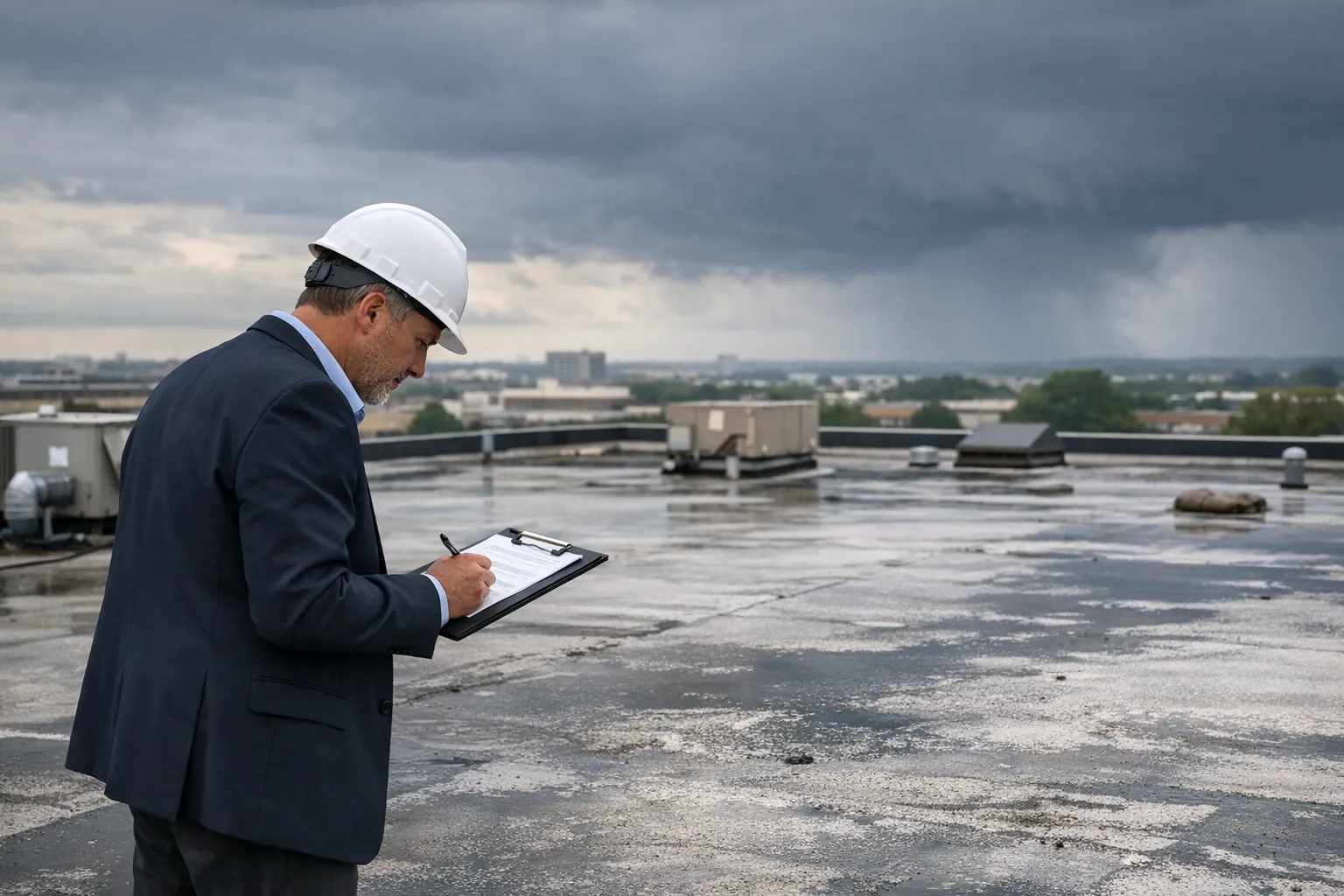
Why Spring Storms Pose Unique Risks to Commercial Properties
Spring storms create a perfect storm of conditions that can safeguard business operations if you prepare properly. The combination of severe winds, hail, flooding, and tornadoes during spring months causes billions in commercial property damage each year.
Commercial buildings face distinct vulnerabilities during spring weather events. Large roof surfaces become targets for hail damage, while aging drainage systems struggle with sudden downpours.
Unlike residential properties, businesses must maintain operations to serve customers and preserve revenue streams. A single storm can disrupt supply chains, damage inventory, and force temporary closures that impact your bottom line.
Essential Pre-Storm Preparations for Business Properties
Smart business owners start storm preparations before severe weather season begins. **Proactive planning** reduces damage severity and speeds recovery times when storms hit.
Conduct a Comprehensive Property Assessment
Schedule professional inspections of your building’s most vulnerable areas. Focus on roofing systems, windows, doors, and drainage infrastructure that typically fail during severe weather.
Document existing damage with photos and repair records. Insurance claims process faster when you can prove pre-existing conditions versus storm damage.
Secure Outdoor Assets and Signage
High winds turn loose objects into dangerous projectiles. Create a checklist of items that need securing or removal before storms arrive:
- Outdoor furniture and equipment – Move indoors or anchor securely
- Signage and banners – Remove temporary displays, reinforce permanent signs
- Landscaping materials – Store mulch, decorative stones, and garden tools
- Construction materials – Secure lumber, scaffolding, and building supplies
- Trash receptacles – Empty and move to sheltered areas
Test Emergency Systems and Backup Power
Power outages frequently accompany spring storms. Test generators, battery backups, and emergency lighting systems monthly during storm season.
Verify that sump pumps and drainage systems function properly. A failed sump pump during heavy rains can flood basements and damage expensive equipment.
How to Safeguard Business Operations During Active Storms
When severe weather strikes, your response plan determines whether minor damage becomes a major disruption. **Real-time monitoring** and quick action protect both property and personnel.
Monitor Weather Alerts and Warnings
Subscribe to local emergency alert systems and weather monitoring services. Assign specific team members to track conditions and communicate updates to staff.
Establish clear thresholds for different response levels. Know when to secure the building, send employees home, or implement emergency procedures.
Protect Critical Equipment and Data
Move sensitive electronics away from windows and potential water entry points. Elevate computer equipment, servers, and important documents above potential flood levels.
Back up digital data to cloud storage or off-site locations before storms arrive. Power surges and flooding can destroy local storage systems instantly.
Implement Staff Safety Protocols
Train employees on severe weather procedures before storm season begins. Post evacuation routes and safe areas in visible locations throughout your facility.
Designate interior rooms away from windows as shelter areas. Avoid large roof spans like warehouses or gymnasiums during tornado warnings.
Post-Storm Assessment and Damage Documentation
Quick action after storms pass can prevent secondary damage and speed insurance claims. **Professional documentation** protects your financial interests and helps restoration teams prioritize repairs.
Safety First: Initial Building Inspection
Never enter a damaged building without verifying structural integrity. Look for these warning signs that require professional evaluation:
- Roof damage – Missing shingles, exposed decking, or sagging areas
- Water intrusion – Active leaks, standing water, or wet insulation
- Electrical hazards – Exposed wiring, water near electrical panels, or burning smells
- Structural issues – Cracked walls, shifted foundations, or damaged support beams
- Gas leaks – Unusual odors or damaged gas lines
Document Everything for Insurance Claims
Take detailed photos and videos of all damage before moving or cleaning anything. Include wide shots showing overall damage and close-ups highlighting specific problems.
Create written inventories of damaged equipment, inventory, and fixtures. Note model numbers, purchase dates, and estimated replacement costs when possible.
Save receipts for emergency repairs and temporary measures. Most insurance policies cover reasonable steps to prevent further damage.
When to Call Professional Restoration Services
Some storm damage requires immediate professional intervention to prevent extensive secondary problems. **Water damage** spreads quickly and creates ideal conditions for mold growth within 24-48 hours.
Emergency Situations Requiring Immediate Response
Contact restoration professionals immediately for these urgent conditions. Delays can transform manageable repairs into complete renovations.
**Structural water damage** from roof leaks or flooding needs professional water extraction and drying equipment. Standard fans and dehumidifiers cannot handle commercial-scale water removal.
**Electrical system damage** requires certified electricians before restoring power. Water and electricity create deadly combinations that only trained professionals should address.
Choosing the Right Restoration Partner
Research restoration companies before you need them. Emergency situations leave little time for careful vetting of service providers.
Look for companies with commercial experience, proper licensing, and 24/7 emergency response capabilities. Check customer reviews and verify insurance coverage before signing contracts.
Insurance Considerations for Storm Damage Claims
Understanding your commercial insurance coverage before storms hit streamlines the claims process and maximizes your settlement. **Policy details** matter when determining covered damages and deductibles.
Review Coverage Limits and Exclusions
Standard commercial property insurance covers wind and hail damage but may exclude flood damage. Separate flood insurance requires specific policies through approved carriers.
Business interruption coverage pays for lost income during repairs. Review waiting periods and coverage limits to understand when benefits begin and how much protection you have.
Working with Insurance Adjusters
Provide complete documentation and cooperate fully with insurance investigations. Accurate records and professional damage assessments support fair claim settlements.
Consider hiring public adjusters for significant damage claims. These professionals advocate for policyholders and often secure higher settlements than direct negotiations with insurance companies.
Building Long-Term Storm Resilience
Smart investments in storm-resistant building improvements pay dividends through reduced damage and lower insurance premiums. **Preventive upgrades** cost less than repeated storm repairs.
Roof and Building Envelope Improvements
Impact-resistant roofing materials and reinforced attachment systems resist hail and wind damage better than standard materials. Many insurance companies offer discounts for approved upgrades.
Seal building envelopes against water intrusion. Proper caulking, weatherstripping, and flashing prevent minor leaks from becoming major problems.
Drainage and Flood Prevention Systems
Install adequate drainage around building foundations and loading docks. French drains, catch basins, and improved grading direct water away from structures.
Consider backup sump pump systems with battery power for basement and below-grade areas. Redundant systems provide protection when primary equipment fails.
Creating an Emergency Response Team
Designate specific employees to handle different aspects of storm response and recovery. **Clear responsibilities** prevent confusion and ensure nothing gets overlooked during stressful situations.
Assign Key Roles and Responsibilities
Appoint a safety coordinator to monitor weather conditions and implement protective measures. This person should have authority to make quick decisions about building security and employee safety.
Choose a facilities manager to coordinate with restoration contractors and insurance representatives. Having one point of contact streamlines communication and prevents conflicting instructions.
Train backup personnel for each critical role. Key employees may be unavailable during emergencies, so multiple people should understand each function.
Conclusion
Spring storms will continue threatening commercial properties, but prepared businesses minimize damage and recover faster than unprepared competitors. The strategies outlined above help you safeguard business operations through proactive planning, smart emergency responses, and long-term resilience investments.
When storm damage does occur, professional restoration services can mean the difference between quick recovery and extended downtime. Having vetted contractors ready before you need them saves precious time during emergencies.
Browse disaster cleanup and restoration listings on https://restorationlocator.com to find qualified professionals in your area before storm season arrives.