Why Cleanup Certifications Matter for Property Owners
When disaster strikes your property, cleanup certifications serve as the most reliable indicator of contractor competency and professionalism. These credentials verify that restoration professionals have completed rigorous training programs and meet industry safety standards.
Property owners who hire certified contractors experience fewer project delays, better insurance claim outcomes, and reduced liability risks. Understanding which certifications to look for can save thousands of dollars and prevent secondary damage to your property.
Essential Cleanup Certifications Every Professional Should Have
The restoration industry features multiple certification bodies, each focusing on specific aspects of disaster cleanup and recovery. IICRC (Institute of Inspection, Cleaning and Restoration Certification) stands as the gold standard for water damage, fire damage, and mold remediation training.
Key IICRC certifications include:
- Water Restoration Technician (WRT) – Covers water extraction, drying techniques, and moisture detection
- Applied Structural Drying (ASD) – Advanced training in psychrometrics and drying equipment
- Fire and Smoke Restoration Technician (FSRT) – Specialized knowledge of smoke damage and odor removal
- Mold Remediation Specialist (AMRT) – Proper containment and removal procedures for microbial contamination
RIA (Restoration Industry Association) certifications focus on business practices and project management. These credentials demonstrate understanding of insurance processes, documentation requirements, and customer service standards.
Safety and Compliance Certifications
Beyond technical skills, legitimate restoration companies maintain safety certifications that protect workers and property owners. OSHA 10-Hour and 30-Hour Construction Safety programs train workers on hazard recognition and safety protocols.
EPA Lead-Safe Work Practices certification becomes mandatory when working on pre-1978 buildings. This training prevents lead dust contamination during renovation activities.
How Certifications Impact Service Quality and Project Outcomes
Certified technicians follow standardized procedures that reduce restoration timelines and improve results. They understand moisture mapping, air movement principles, and equipment placement strategies that untrained workers often miss.
Service quality improvements from proper training include accurate damage assessments, appropriate equipment selection, and thorough documentation practices. Insurance companies recognize these benefits and often prefer certified contractors for claim processing.
Project outcomes show measurable differences when certified professionals handle restoration work:
- Faster moisture removal reduces secondary damage risks
- Proper containment prevents cross-contamination
- Accurate documentation speeds insurance settlements
- Industry-standard procedures meet code requirements
Insurance Benefits of Hiring Certified Contractors
Insurance adjusters trust certified contractors because these professionals understand policy requirements and documentation standards. Claims processed by certified restoration companies experience fewer disputes and faster approvals.
Many insurance policies specifically require certified contractors for certain types of damage. Hiring uncertified workers can void coverage or reduce settlement amounts.
Red Flags: When Contractors Lack Proper Credentials
Uncertified contractors often create more problems than they solve. Common issues include improper equipment use, inadequate moisture removal, and incomplete damage assessment that leads to hidden mold growth.
Warning signs of unqualified restoration services include:
- Inability to provide certification numbers or credentials
- Quotes significantly below industry standards
- Pressure to start work immediately without proper assessment
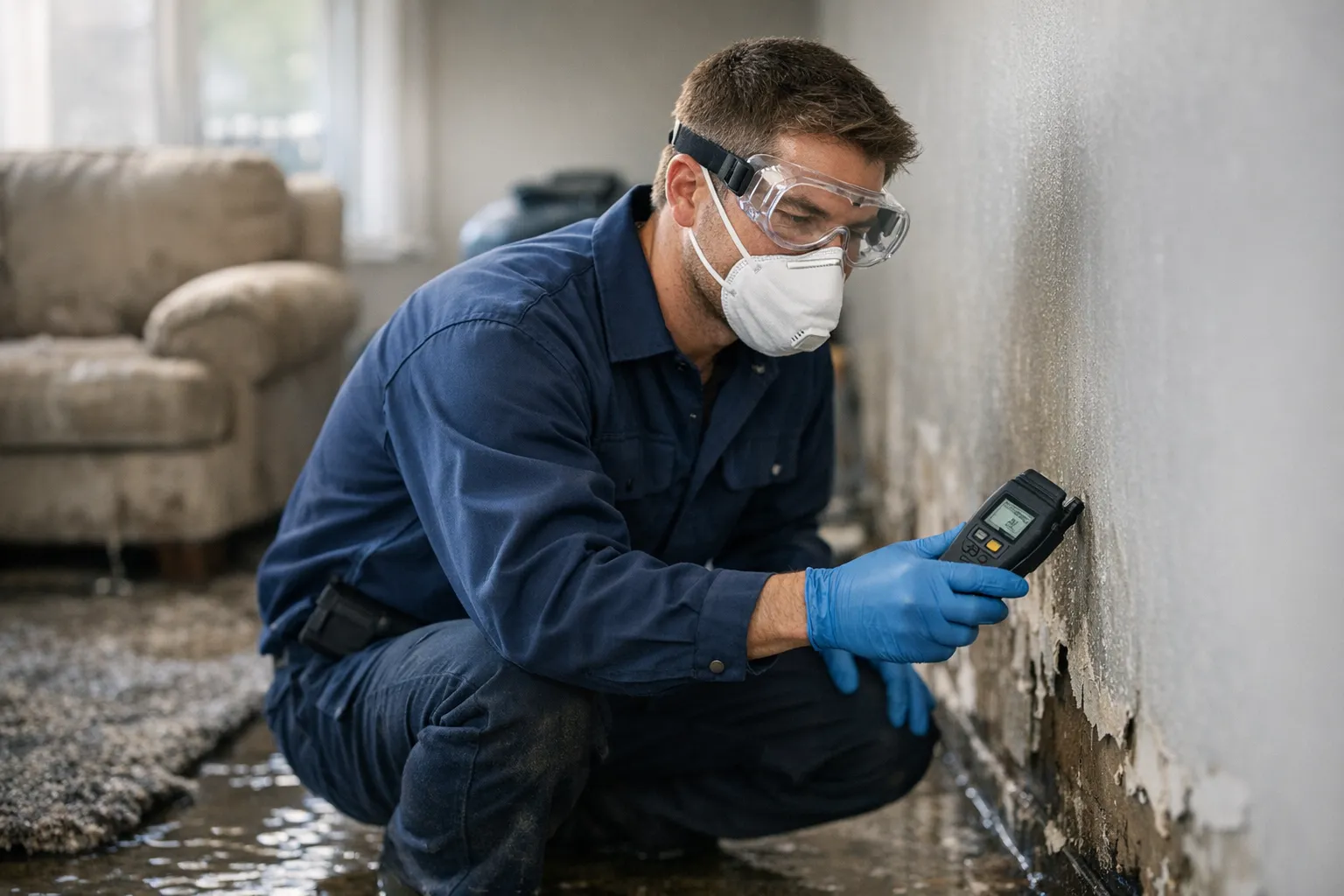
- Lack of moisture detection equipment or air quality testing
- No written scope of work or project timeline
Property owners who hire uncertified contractors often face secondary damage, insurance claim denials, and costly re-work by qualified professionals.
Legal and Liability Considerations
Some states require specific licenses or certifications for restoration work. Hiring unlicensed contractors can create liability issues if workers are injured or property damage occurs during restoration activities.
Certified contractors carry appropriate insurance coverage and bonding that protects property owners from financial responsibility. They also understand local building codes and permit requirements that affect restoration projects.
Verifying Contractor Certifications and Credentials
Authentication prevents fraud and ensures contractors possess current, valid certifications. The IICRC maintains an online database where property owners can verify technician credentials using certification numbers.
Request to see physical certification cards and compare names with company employees. Current certifications require ongoing education, so check expiration dates to confirm credentials remain valid.
Licensed contractors should provide state license numbers that can be verified through state licensing boards. Bonding and insurance certificates should list the restoration company as the primary insured party.
Questions to Ask Potential Contractors
Direct questions help identify qualified professionals and eliminate unqualified bidders. Ask for specific certification types relevant to your damage situation, not just general “certified” claims.
Important verification questions include:
- Which IICRC certifications do your technicians hold?
- Can you provide current certification card numbers?
- How long have your lead technicians held these credentials?
- What continuing education requirements do you complete annually?
- Are you licensed for restoration work in this state?
Finding Certified Restoration Professionals
Professional restoration requires expertise that only comes through proper training and certification. When searching for qualified contractors, focus on companies that invest in ongoing education and maintain current industry credentials.
Use professional directories that verify contractor credentials and allow filtering by certification type, location, and specialty services. This approach saves time and ensures you connect with qualified professionals who meet insurance requirements.
Start your search for certified disaster cleanup and restoration professionals at https://restorationlocator.com today.