
Why Spring Makes Professional Sewage Cleanup More Important
Spring weather brings heavy rains, snowmelt, and increased risk of sewage backups that can overwhelm homeowner cleanup efforts. Professional sewage cleanup services become most valuable during this season when contamination risks are highest and damage spreads fastest.
Heavy spring precipitation often causes municipal sewer systems to overflow, pushing contaminated water into basements and crawl spaces. This creates Class 3 contaminated water situations that require specialized training and equipment to handle safely.
Health Benefits of Professional Sewage Cleanup
Sewage contains dangerous pathogens including E. coli, hepatitis, and salmonella that can cause serious illness or death. Professionals wear full protective equipment and follow strict safety protocols to prevent exposure during cleanup.
DIY cleanup puts families at risk for respiratory infections, skin diseases, and gastrointestinal illness. Professional teams use hospital-grade disinfectants and follow EPA guidelines for pathogen elimination.
Disease Prevention Through Proper Containment
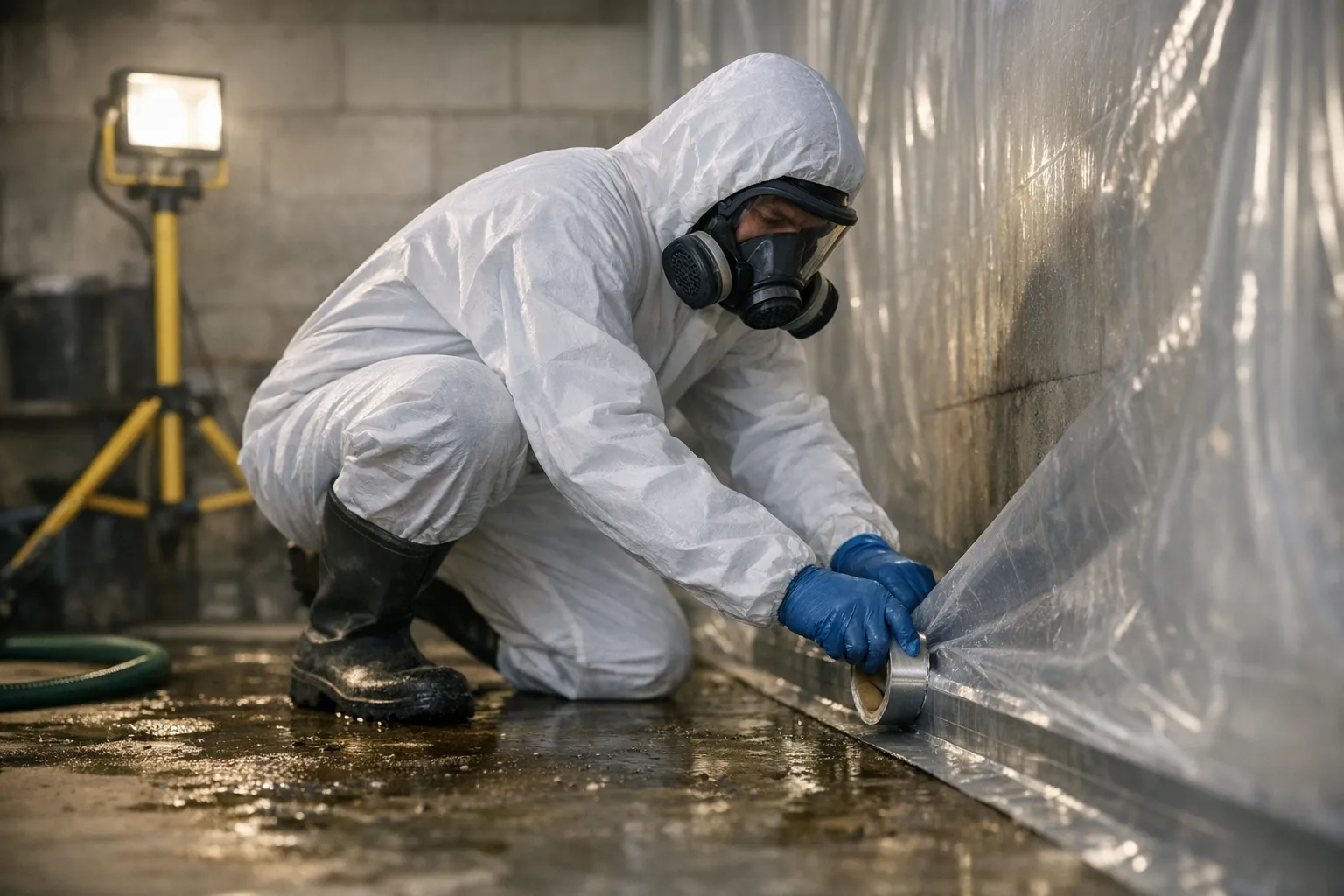
Professional teams establish containment barriers to prevent contamination from spreading to clean areas of your home. They use negative air pressure systems and sealed plastic sheeting to isolate affected zones.
Cross-contamination occurs easily when untrained individuals track sewage through clean areas on shoes or clothing. Professional containment prevents this common mistake that can double or triple cleanup costs.
Structural Protection Benefits
Spring sewage incidents cause more structural damage because moisture levels are already elevated from seasonal precipitation. Professional teams extract standing water within hours to prevent permanent foundation and framing damage.
Sewage contains acids and chemicals that deteriorate building materials faster than clean water. Professional cleanup removes these corrosive substances before they can weaken structural elements.
Preventing Mold Growth in High-Humidity Conditions
Spring’s higher humidity creates perfect conditions for mold growth after sewage exposure. Professional teams use industrial dehumidifiers and air movers to achieve proper drying conditions within 24-48 hours.
Mold begins growing within 48 hours of moisture exposure. Professional drying equipment removes moisture from inside wall cavities and subflooring where homeowners cannot reach with standard fans or dehumidifiers.
Equipment Advantages of Professional Services
Professional sewage cleanup requires specialized equipment that costs tens of thousands of dollars and needs trained operators. Homeowners cannot access or safely operate this equipment on their own.
Industrial Water Extraction Systems
Professional truck-mounted extractors remove thousands of gallons per hour compared to shop vacuums that handle only a few gallons. This speed difference prevents sewage from soaking deeper into building materials.
Submersible pumps and weighted extraction wands reach contaminated water under flooring and in tight spaces. Professional extraction prevents hidden moisture pockets that cause ongoing damage and odors.
Air Scrubbing and Filtration Technology
HEPA air scrubbers remove airborne pathogens and odor-causing particles that regular fans cannot capture. Professional teams run these units continuously during cleanup to maintain safe air quality.
Hydroxyl generators and ozone machines neutralize sewage odors at the molecular level. These technologies require professional monitoring to ensure safe operation around people and pets.
Time-Sensitive Benefits During Spring Season
Spring sewage cleanup becomes more urgent because warmer temperatures accelerate bacterial growth and decomposition. Professional teams mobilize within hours to prevent contamination from becoming worse.
Insurance companies often require professional cleanup documentation for sewage claims. DIY attempts can void coverage if improper methods cause additional damage or health issues.
Faster Restoration Timeline
Professional teams coordinate water extraction, antimicrobial treatment, and structural drying simultaneously. This integrated approach reduces total restoration time from weeks to days.
Spring weather creates ideal drying conditions when professionals can vent humid air outside. Experienced teams take advantage of favorable weather patterns to accelerate the drying process.
Documentation and Insurance Benefits
Professional sewage cleanup provides detailed documentation that insurance companies require for claim approval. Teams photograph damage, document moisture readings, and provide certified completion certificates.
Spring sewage incidents often involve multiple properties in neighborhoods. Professional documentation helps establish timelines and damage extent for insurance investigators handling multiple claims.
Certified Restoration Standards
Professional cleanup follows IICRC S500 standards for water damage restoration and S520 standards for mold remediation. These certifications ensure work meets industry best practices for safety and effectiveness.
Insurance adjusters recognize certified restoration work and process claims faster when proper standards are followed. DIY cleanup often requires additional professional assessment before claims can be approved.
Cost Benefits of Professional Services
Professional sewage cleanup costs less than property replacement when hidden damage spreads unchecked. Spring conditions accelerate damage progression, making early professional intervention more valuable.
DIY mistakes often require complete rebuilding of affected areas because improper cleaning leaves contamination behind. Professional teams eliminate contamination completely the first time.
Preventing Secondary Damage Costs
Secondary damage from mold growth, structural decay, and ongoing contamination often costs five to ten times more than immediate professional cleanup. Spring humidity makes secondary damage more likely and severe.
- Mold remediation can cost $15,000-$30,000 when it spreads through HVAC systems
- Structural repairs range from $20,000-$50,000 when sewage weakens foundation elements
- Personal property replacement adds thousands more when contamination spreads to clean areas
- Temporary housing costs accumulate when homes become uninhabitable during extended DIY attempts
Finding Qualified Sewage Cleanup Professionals
Spring sewage incidents create high demand for cleanup services, making it important to identify qualified professionals before emergencies occur. Look for companies with proper licensing, insurance, and IICRC certifications.
Emergency response time becomes more important during spring when multiple properties may need service simultaneously. Choose providers that guarantee response within specific timeframes.
Evaluating Professional Credentials
Qualified sewage cleanup professionals carry specialized licenses for biohazard handling and water damage restoration. They maintain insurance coverage for contamination liability and worker protection.
Check for continuing education certifications in bloodborne pathogens, confined space entry, and hazardous waste handling. These specialized credentials indicate proper training for sewage cleanup challenges.
Spring Preparedness Strategies
Homeowners can reduce spring sewage risks by scheduling professional drain cleaning and sump pump maintenance before heavy weather arrives. Professional assessment identifies vulnerable areas that need attention.
Keep contact information for certified sewage cleanup professionals readily available. Spring incidents often happen during evenings or weekends when immediate response makes the biggest difference in preventing damage.
Professional sewage cleanup provides health protection, structural preservation, and cost savings that become more valuable during spring’s challenging conditions. Qualified professionals have the equipment, training, and experience to handle contamination safely and completely.
Don’t risk your family’s health or property value with DIY sewage cleanup attempts. Browse certified sewage cleanup professionals at https://restorationlocator.com to find qualified providers in your area before you need them.