
A calm July afternoon can turn into a hail-cracked windshield and a flooded basement in under 30 minutes. Summer storms build fast, strike hard, and rarely give the warning that winter systems do. That speed is why summer storm preparation matters more than most homeowners assume.
This post walks you through concrete steps to protect your home before, during, and after a sudden weather event. You will learn what to check now, what to do when a warning hits, and how to find cleanup help fast if damage happens.
Why Summer Storms Catch Homeowners Off Guard
Summer storms form from heat and humidity, not slow-moving fronts. A pop-up thunderstorm can develop in an hour and produce 60 mph winds. The National Weather Service reports that most flash flood deaths happen in vehicles during warm-season storms.
The danger is the surprise. People plan for hurricanes days out. Almost nobody plans for a Tuesday microburst that snaps a 40-year-old oak onto their roof.
Unexpected weather readiness means treating any humid, unstable day as a potential threat. Your goal is a home that can take a hit before you have time to react.
Summer Storm Preparation Checklist for Your Home
Start with the parts of your home that fail first. Roofs, gutters, trees, and drainage cause the most storm claims each summer. Fix the weak points now, not during a warning.
Inspect and Reinforce Your Roof
Loose or missing shingles turn a strong gust into an interior leak. Walk your yard after any windy day and look for shingle granules or debris. Dark streaks in your attic ceiling mean water is already getting in.
- Check flashing around chimneys and vents for gaps or rust.
- Secure loose shingles before wind lifts them.
- Clear valleys where two roof slopes meet and water pools.
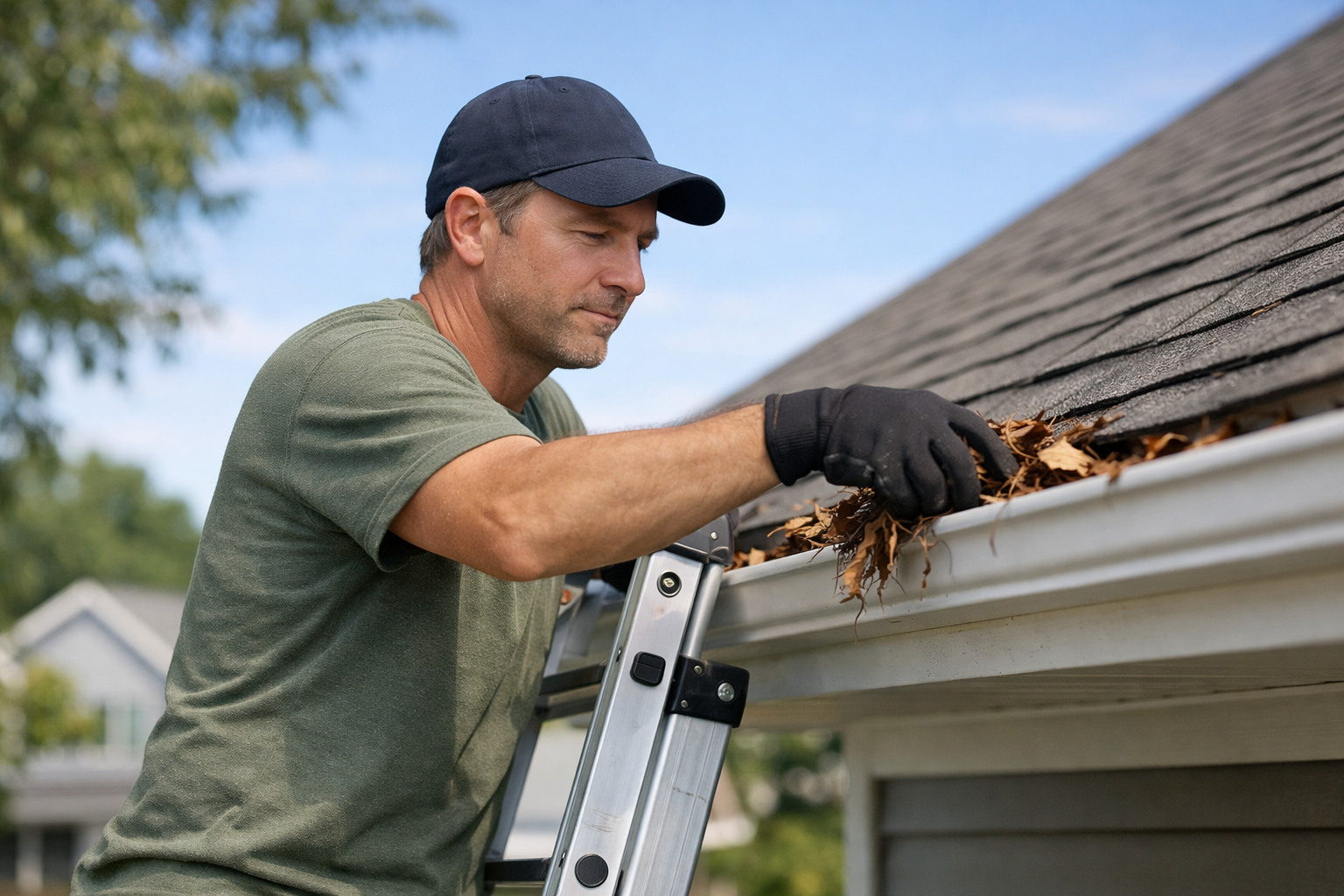
Clear Gutters and Downspouts
A clogged gutter sends 1,000 gallons of roof runoff straight down your foundation during a heavy storm. That water finds basement cracks within minutes. Clean gutters and extend downspouts at least six feet from the house.
Trim Trees Before Wind Does It for You
Summer foliage adds weight and wind resistance to every branch. A limb hanging over your roof is a repair bill waiting for the next microburst. Remove dead branches and any limb within ten feet of the structure.
Manage Yard Drainage
Grade soil so it slopes away from your foundation. Even a two-degree slope moves water where you want it. Add a French drain if water pools near the house after every rain.
Protect What Sits Outside and Below Ground
Loose objects become projectiles in a 50 mph gust. Basements and crawl spaces flood first because gravity works against you. Address both before the season peaks.
- Anchor or store outdoor items: patio furniture, trampolines, grills, and umbrellas.
- Test your sump pump: pour a bucket of water into the pit and confirm it kicks on.
- Install a battery backup: storms cut power and disable pumps at the worst moment.
- Elevate basement valuables: keep electronics and documents off the floor.
- Seal foundation cracks: hydraulic cement stops seepage at known entry points.
Build a Same-Day Storm Response Plan
Preparation covers the physical home. A response plan covers the 20 minutes when a warning hits. Everyone in the house should know the plan without a debate.
Know Your Alerts and Safe Room
Enable Wireless Emergency Alerts on every phone in the household. Pick an interior room on the lowest floor with no windows. A center bathroom or closet works during tornado warnings and severe wind.
Assemble a Storm Kit That Stays Ready
Keep the kit in one bin near your safe room. Restocking it in May takes ten minutes and saves you during an outage.
- Flashlights and fresh batteries
- Portable phone charger, fully charged
- Bottled water and shelf-stable food for 72 hours
- First-aid supplies and any daily medications
- Copies of insurance policies in a waterproof bag
Photograph Your Home Before Damage Happens
Walk each room with your phone and record a video. Open closets and show major appliances. This footage settles insurance disputes fast when you file a claim after storm damage.
What to Do Right After Storm Damage
Act on safety first, documentation second, repairs third. Moving in the wrong order can void a claim or put you in danger. Downed power lines and standing water are the two biggest post-storm risks.
- Stay clear of downed lines and report them to your utility.
- Shut off power to any flooded area at the breaker if you can reach it safely.
- Photograph all damage before you move or clean anything.
- Cover breaches with tarps to stop further water intrusion.
- Call a cleanup company within 24 hours to limit mold growth.
Water that sits longer than 48 hours grows mold. That turns a drying job into a demolition job. Speed after a storm protects both your home and your budget.
How to Find Storm Cleanup Help Fast on Restoration Locator
Damage from a sudden storm means you need vetted help the same day, not next week. Restoration Locator lets you compare local disaster cleanup and restoration providers in one place. Use the directory before a storm so you already know who to call.
Here is how to narrow your search quickly:
- Sort by location to find crews that reach your area fast.
- Filter listings by water damage, storm damage, or mold remediation.
- Check reviews from other homeowners who dealt with storm cleanup.
- Compare response times listed on provider profiles.
Bookmark two or three providers now. When water is rising, a saved shortlist beats a frantic search on a dying phone battery.
Timing Your Prep by Region
Summer storm risk varies by where you live. Gulf Coast homes face hurricane-fed downpours from June onward. Midwest and Plains homes see peak severe-thunderstorm and derecho activity from May to August.
Mountain and desert regions get flash floods from monsoon rain hitting dry ground. Match your unexpected weather readiness to your local pattern. A Phoenix homeowner plans for flash floods, not roof-lifting derechos.
Conclusion
Summer storm preparation comes down to fixing weak points early, keeping a response plan ready, and knowing who to call after damage. Roofs, gutters, drainage, and a stocked storm kit handle most of the risk. Fast, documented action after a storm keeps small damage from becoming a full rebuild.
Find local disaster cleanup and restoration providers before the next storm hits. Start your search now at https://restorationlocator.com.