
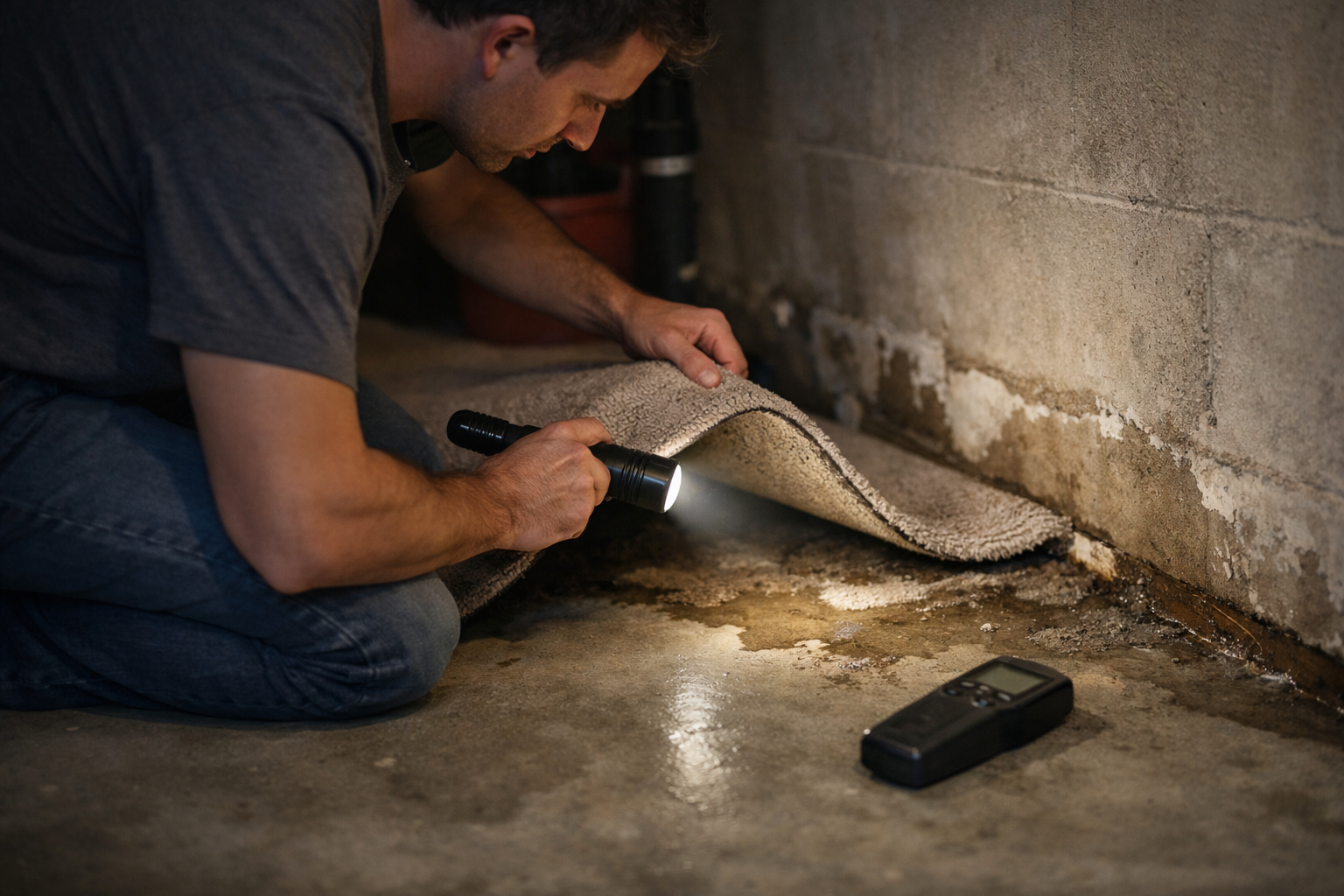
Most homeowners lose money on DIY disaster cleanup during the first 48 hours, before they even pick up a mop. The wrong first move turns a $2,000 water problem into a $15,000 mold remediation bill. This post covers the exact errors that create those outcomes, with fixes drawn from real cleanup jobs.
You will learn which tasks are safe to handle yourself, which ones demand a pro, and how to tell the difference fast. Each section targets a specific mistake and the concrete step that prevents it.
Why DIY Disaster Cleanup Goes Wrong
DIY disaster cleanup fails when speed beats sequence. Homeowners grab a shop vac and start pulling water without cutting power or documenting damage first.
The damage after a flood or fire is rarely what you see. Moisture wicks into wall cavities. Soot bonds to surfaces within hours. The visible mess is a fraction of the real job.
Two categories of loss follow bad DIY work:
- Structural — hidden moisture rots framing and drywall over weeks.
- Financial — insurers deny claims when documentation is missing or work is done wrong.
Common Mistakes in DIY Water Damage Cleanup
Water damage causes the most expensive DIY errors because water hides. Here are the failures that show up on inspection reports.
Mistake 1: Skipping the Water Category Check
Not all floodwater is equal. The IICRC classifies water into three categories, and category decides whether you can touch it at all.
- Category 1 — clean water from a supply line. Safe for careful DIY.
- Category 2 — gray water from appliances or overflow. Requires disinfection and caution.
- Category 3 — black water from sewage or river flooding. Never DIY. It carries bacteria and pathogens.
Homeowners who treat a sewage backup like a spilled bathtub expose their family to E. coli and hepatitis. Identify the category before anything else.
Mistake 2: Assuming Surfaces Are Dry Because They Feel Dry
A wall can feel dry to the touch and hold 40% moisture inside. Drywall and framing trap water where your hand cannot reach.
Rent a moisture meter for to a day. Check baseboards, wall cavities, and subfloor. Materials must read below 16% before you close anything up.
Mistake 3: Waiting Too Long to Dry Out
Mold begins growing in 24 to 48 hours on wet organic material. A weekend delay changes your whole job scope.
Start air movement immediately. Set fans across wet surfaces, run a dehumidifier, and open interior doors. One box fan is not enough for a flooded room.
Common Mistakes in DIY Mold Cleanup
Mold cleanup carries health risk, and small errors spread spores across the house. The visible patch is usually smaller than the colony.
Mistake 4: Disturbing Mold Without Containment
Scrubbing mold dry-launches millions of spores into the air. They settle in HVAC ducts, closets, and rooms far from the source.
The EPA sets a clear threshold. If the moldy area is larger than 10 square feet, hire a remediation firm. That is roughly a 3-by-3 patch.
Mistake 5: Using Bleach on Porous Surfaces
Bleach does not kill mold in drywall or wood. The water in bleach soaks into the pores and feeds regrowth after the surface color fades.
For hard, non-porous surfaces, detergent and water work fine. Porous materials with mold should be cut out and replaced, not bleached.
Common Mistakes in DIY Fire and Smoke Cleanup
Fire damage cleanup goes wrong when people wipe soot with a wet cloth. Water turns dry soot into a permanent smear.
Mistake 6: Wiping Soot the Wrong Way
Dry soot needs a chemical sponge, not water. A wet rag drives soot into paint and grout, staining it for good.
- Use a dry chemical sponge for first-pass soot removal.
- Work top to bottom so falling residue lands on unclean surfaces.
- Replace HVAC filters before running the system again.
Mistake 7: Ignoring Smoke Odor in Hidden Cavities
Smoke odor lives in insulation, wall voids, and ductwork. Surface cleaning leaves the smell, which returns on humid days.
Thermal fogging and ozone treatment need equipment and safety training. Odor that survives cleaning is a signal to call a pro.
Documentation Mistakes That Void Insurance Claims
The most costly DIY error is throwing out evidence before the adjuster sees it. Once you haul soaked carpet to the curb, you lose the claim value.
Do this before you clean anything:
- Photograph everything — wide shots and close-ups of every damaged item.
- Video walk the property and describe damage out loud.
- Save damaged materials in a garage or bin until the adjuster confirms.
- Log your mitigation steps with dates and receipts for rentals.
Insurers reward fast mitigation but penalize destroyed evidence. Keep both boxes checked.
Safety Mistakes That Send People to the ER
Cleanup injuries spike when adrenaline replaces caution. Electricity and contaminated air are the two silent risks.
- Standing water and power — cut electricity at the breaker before entering a flooded room.
- Contaminated air — wear an N95 or half-face respirator for mold and soot work.
- Structural collapse — sagging ceilings hold hundreds of pounds of trapped water. Stay clear.
- Gas appliances — do not relight a water-damaged furnace or water heater yourself.
When to Stop DIY and Call a Pro
Some jobs are never safe to handle yourself. Stop your DIY disaster cleanup and hire help if any of these apply:
- Category 3 black water or sewage is involved.
- Mold covers more than 10 square feet.
- Water sat for more than 48 hours.
- Framing, subfloor, or ceilings show damage.
- Smoke odor returns after cleaning.
How to Vet a Restoration Company Fast
Not every firm handles every disaster. Match the provider to your specific damage type before you call.
On Restoration Locator, you can filter listings by service type, sort by location, and check reviews before you commit. Narrow your search to firms that list water, fire, or mold work matching your job.
- Filter by damage type to skip mismatched providers.
- Sort by location for faster response times.
- Read reviews for notes on insurance billing and timelines.
- Confirm the firm holds IICRC certification for restoration work.
Key Takeaways
Avoiding common mistakes in DIY disaster cleanup comes down to sequence, documentation, and knowing your limits. Check the water category, measure moisture, photograph damage, and start drying within 48 hours. When the job crosses safety or scope lines, hand it off.
Ready to find help that matches your damage type? Browse Disaster Cleanup & Restoration listings now at https://restorationlocator.com and start your search today.