
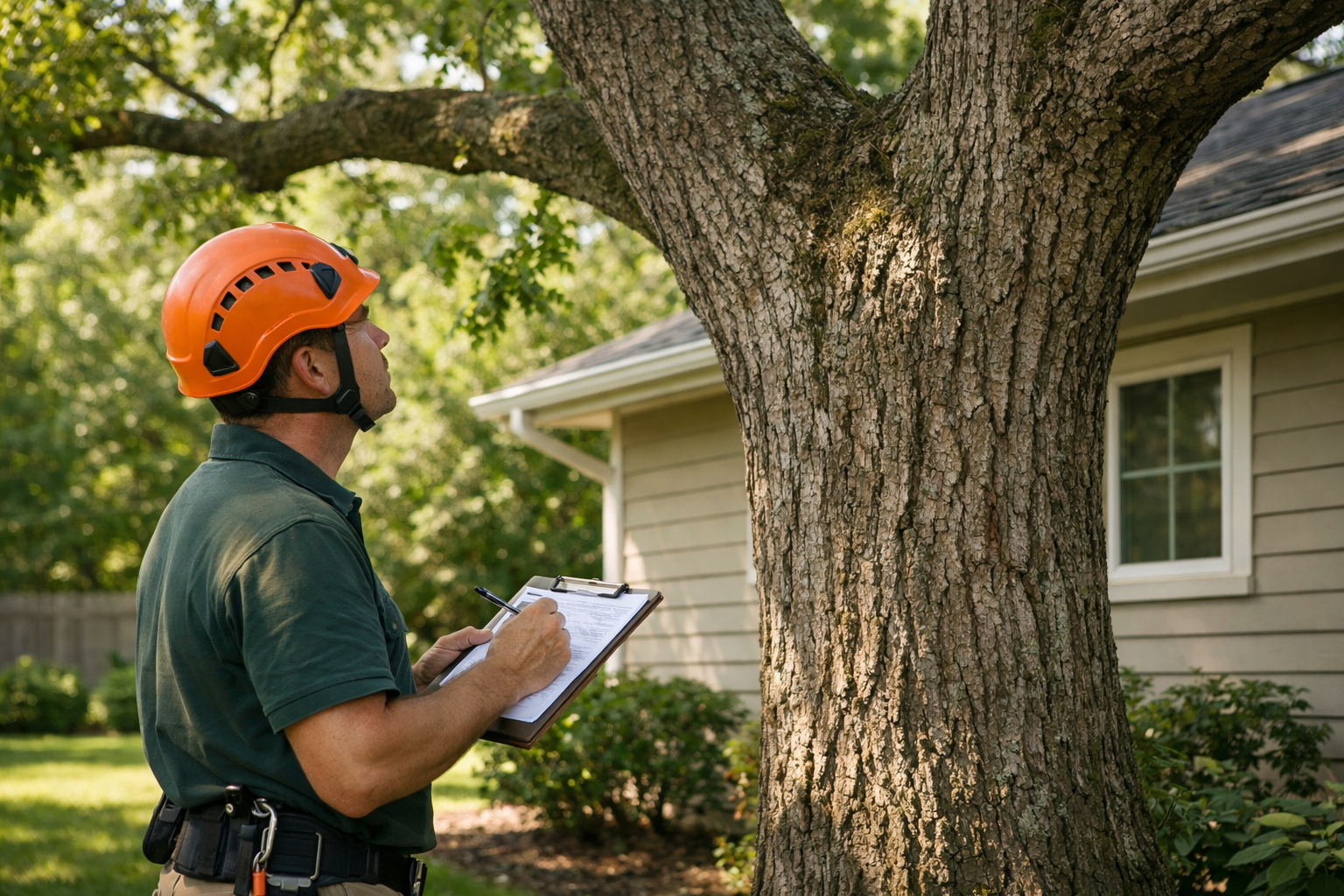
Most homeowners spend months planning storm protection for their roof and windows, then forget the trees standing 15 feet from those windows. That oversight causes some of the worst preventable damage during hurricanes, ice storms, and floods. Landscaping disaster protection is the practice of preparing your yard, trees, drainage, and hardscaping to survive severe weather with minimal loss.
Your yard is your property’s first line of defense—or its biggest liability. A single uprooted oak can cost more than an entire kitchen remodel to remove and repair around. This article covers what actually breaks during disasters and how to prevent it.
You will learn how to audit your trees, redirect floodwater, anchor loose objects, and choose plants that hold soil in place. Each step comes from what restoration crews see after storms clear.
Why Landscaping Disaster Protection Gets Ignored
People treat plants as decoration, not infrastructure. That mistake shows up in insurance claims every spring.
After a windstorm, restoration teams spend the first two days on debris removal before any repair begins. Much of that debris is landscaping—snapped branches, dislodged mulch, and toppled fencing.
Your yard directly affects how badly your house floods, cracks, or gets battered. Grading, root systems, and tree placement change water flow and wind load around your foundation.
The hidden cost math
Tree removal after a storm runs far higher than routine trimming. Emergency crane work and stump grinding add up fast.
- Routine tree pruning: $250–$700 per tree
- Emergency tree removal after failure: $1,500–$8,000 per tree
- Foundation repair from root heave or flooding: $5,000–$25,000
Spending a few hundred dollars on prevention beats the emergency bill by a wide margin.
Audit Your Trees Before Storm Season
Trees cause the most expensive landscaping-related property damage. A weak tree near your house is a delayed disaster.
Walk your property and inspect every tree taller than your roofline. Look for the warning signs below.
- Dead or hanging branches. Widow-makers snap first in high wind.
- Cracks in the main trunk. Vertical seams signal structural failure risk.
- Leaning that started recently. A sudden tilt means root anchorage is failing.
- Mushrooms or fungus at the base. Fungal growth points to internal rot.
- Roots lifting soil or pavement. Heaving roots destabilize the whole tree.
Any tree with two or more signs needs an arborist evaluation. Certified arborists can assess internal decay you cannot see from the outside.
Which trees threaten your house
Species matters. Bradford pears, silver maples, and water oaks fail more than sturdier species in wind.
Prune limbs that overhang your roof or driveway before storm season. Aim for a clearance of at least six feet between branches and your roofline.
Fix Drainage to Protect Outdoor Property from Flooding
Poor grading sends stormwater straight into your foundation. Flooding damage starts in the yard, not the basement.
Your soil should slope away from the house at roughly six inches of drop over the first ten feet. Flat or reverse grading pools water against the walls.
Drainage upgrades that pay off
- Extend downspouts at least four feet from the foundation.
- Install a French drain in low spots that stay soggy after rain.
- Add a dry creek bed to channel runoff away from the house.
- Clear gutters so overflow does not saturate flower beds against the wall.
Rain gardens work well in areas with heavy seasonal downpours. A shallow planted basin captures runoff and lets it soak in slowly.
To protect outdoor property in flood-prone zones, avoid mulch mounds against siding. Wet mulch holds moisture against wood and invites rot and termites.
Anchor and Secure Loose Yard Items
Flying objects during high wind smash windows and damage siding. Your patio furniture becomes a projectile at 60 mph.
Before a named storm arrives, move or secure everything that can lift or roll.
- Bring in patio furniture, umbrellas, and grills.
- Secure trash cans and recycling bins inside a garage or shed.
- Stake or lay flat any trellises and garden stakes.
- Empty and store lightweight planters that wind can toss.
Permanent structures need anchoring too. Pergolas, sheds, and playsets should attach to concrete footings, not sit loose on soil.
Choose Plants That Reduce Disaster Risk
Plant selection changes how your yard behaves during a storm. Deep-rooted native plants hold soil that would otherwise wash away.
Groundcover and shrubs with strong root systems prevent erosion on slopes. Bare soil turns to mudslides during heavy rain.
Fire-resistant landscaping in dry regions
In wildfire zones, plant spacing matters as much as species. Create a defensible zone within five feet of your home using gravel or stone instead of bark mulch.
- Keep flammable shrubs away from walls and vents.
- Use hardscaping and rock beds in the ignition zone.
- Plant high-moisture, low-resin species farther out.
Cal Fire recommends clearing dead vegetation within 100 feet of structures where space allows. Dry leaf litter feeds fast-moving ground fire.
Protect Hardscaping and Retaining Walls
Retaining walls fail when water builds behind them with nowhere to drain. A collapsed wall can bury a patio or crack a driveway.
Check that your walls have working weep holes and drainage gravel behind them. Blocked weep holes cause hydrostatic pressure that pushes walls over.
Inspect paver joints and fill gaps with polymeric sand before wet season. Loose pavers wash out and create trip hazards and drainage channels.
Document Everything for Insurance
Photos taken before a disaster speed up your claim afterward. Insurers pay faster when you prove the pre-storm condition of your yard.
Walk your property with your phone and record video of every side. Capture trees, fences, hardscaping, and irrigation systems.
- Store date-stamped photos in cloud backup.
- Keep receipts for major landscaping investments.
- Note the age and species of large trees near structures.
Standard homeowner policies limit tree and landscaping coverage. Many cap debris removal at a small percentage of dwelling coverage—check yours before you need it.
When to Call a Restoration Provider
After a storm, fallen trees and flooding require fast cleanup to prevent secondary damage. Standing water breeds mold within 24 to 48 hours.
Restoration crews handle debris removal, water extraction, and structural drying that homeowners cannot manage alone. Speed limits how far the damage spreads.
On https://restorationlocator.com, you can find help fast:
- Sort by location to find crews near your damaged property.
- Filter listings by service type like water damage or debris removal.
- Check reviews to compare response time and workmanship.
Conclusion
Landscaping disaster protection means auditing trees, fixing drainage, securing loose objects, and choosing root-strong plants before severe weather arrives. A few hundred dollars in prevention avoids thousands in emergency removal and foundation repair. Document your yard now and know your insurance limits before a storm tests them.
When damage happens, act within the first 48 hours to limit mold and rot. Browse Disaster Cleanup & Restoration listings on https://restorationlocator.com and connect with a local crew today.