
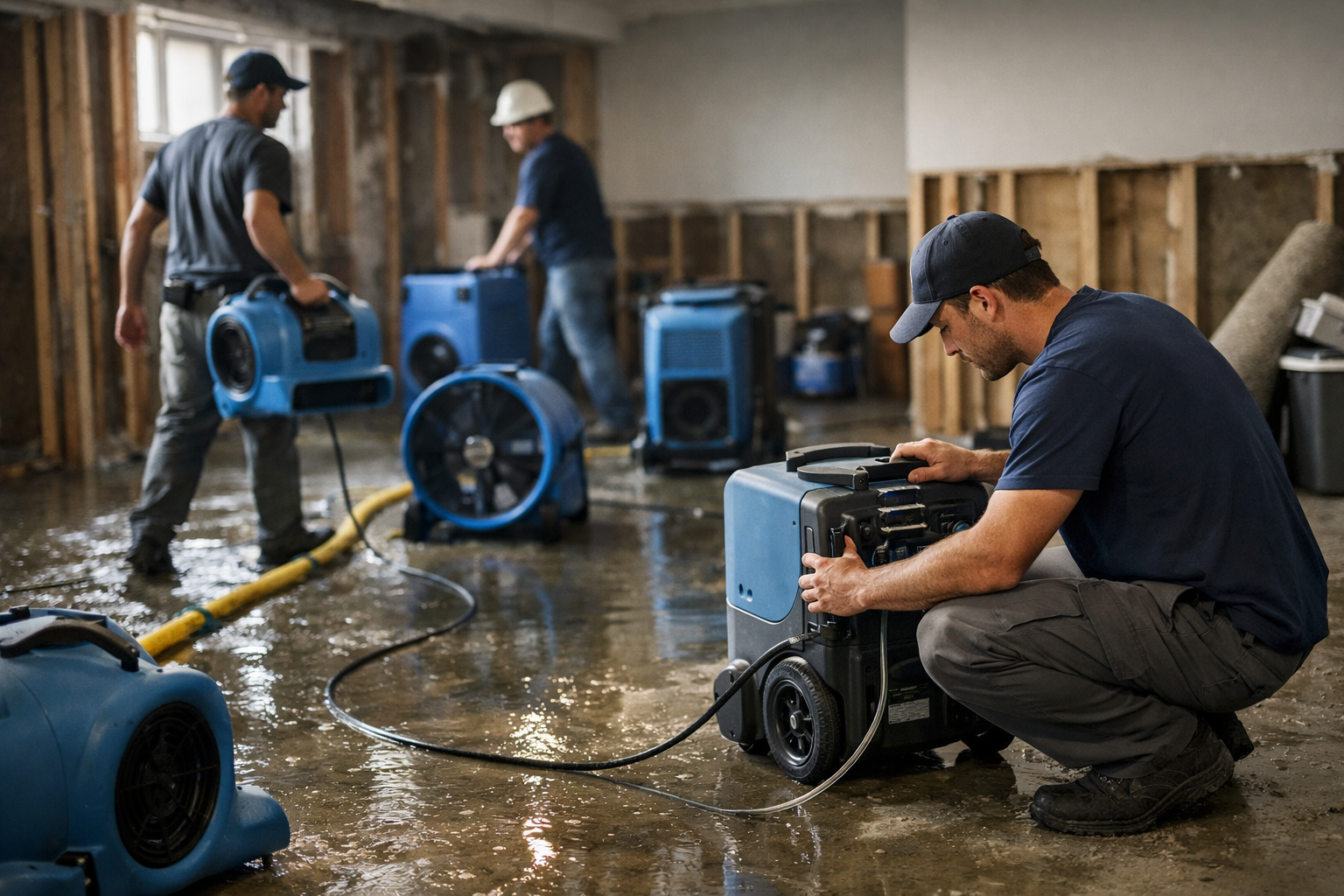
A water damage crew that shows up in 90 minutes at 2 a.m. is worth more than one with a perfect star rating and a slow phone. Reviews tell you which is which, but only if you know how to read them.
This post shows you how to use restoration provider reviews to separate marketing polish from real performance. You will learn which phrases signal reliable work, which star patterns hide problems, and how to filter listings to find crews that handle your exact damage type.
The goal is simple: turn a wall of stars into a confident hiring decision.
Why Restoration Provider Reviews Matter More Than in Other Trades
Restoration work happens during your worst week. Flooded basements, fire-damaged kitchens, and mold outbreaks demand fast, correct action.
You rarely have time to vet three bids. Reviews become your shortcut to knowing who performs under pressure.
Unlike a slow remodel, restoration mistakes compound. A crew that skips proper drying leaves mold behind the drywall six weeks later. Reviews written months after a job reveal those hidden failures.
What star ratings alone cannot tell you
A 4.8 average across 12 reviews means less than a 4.5 across 200. Volume and recency matter more than the number itself.
Look past the headline score. A provider with a 4.6 rating and hundreds of detailed, recent reviews is a safer bet than a spotless 5.0 with six vague comments.
How to Read Restoration Provider Reviews for Real Signals
Read reviews for specific, repeatable details, not emotion. A reviewer who names the technician, describes the timeline, and mentions the insurance outcome gives you usable evidence.
Focus your reading on four areas that predict future performance.
1. Response and arrival times
Water spreads within hours, and mold can start growing in 24 to 48 hours. Reviews that mention arrival speed tell you if a crew treats emergencies as emergencies.
- Green flags: “Arrived within the hour,” “answered at midnight,” “had fans running the same day.”
- Red flags: “Took three days to schedule,” “hard to reach after the first visit,” “no-showed twice.”
2. Insurance claim handling
Insurance friction causes most restoration disputes. The best crews document damage with photos, write clear scopes, and talk directly to adjusters.
Search reviews for words like adjuster, claim, Xactimate, and documentation. A provider praised for smooth billing saves you thousands in denied coverage.
3. Follow-through and hidden damage
The reviews that reveal the most are written 30 to 90 days after the job. They tell you whether the drying held, whether smells returned, and whether mold came back.
Sort reviews by newest first, then scan older ones for delayed complaints. A pattern of “mold returned” or “still smells like smoke” is a decisive warning.
4. Crew conduct inside your home
Restoration crews work in your house for days. Reviews mentioning clean setups, floor protection, and respectful technicians point to disciplined operations.
Spotting Fake or Misleading Customer Feedback
Fake reviews cluster in patterns. A burst of five-star ratings posted within the same week, all short and generic, usually signals manipulation.
Use this quick test when scanning customer feedback:
- Check the timeline. Ten glowing reviews in three days, then silence, looks staged.
- Look for specifics. Real reviews name the damage, the timeline, and often the technician.
- Read the one- and two-star reviews. How a provider replies reveals more than any praise.
- Watch for repeated phrases. Identical wording across reviews suggests copy-paste campaigns.
A provider who answers criticism with facts and a repair offer shows accountability. One who argues or goes silent tells you how they will treat you.
Matching Reviews to Your Specific Damage Type
A crew excellent at water extraction may be weak at fire restoration. Reviews let you match the provider to your actual problem.
Filter and read for your damage category:
- Water damage: Look for mentions of moisture meters, dehumidifiers, and same-day extraction.
- Fire and smoke: Look for odor removal, soot cleaning, and content pack-out.
- Mold: Look for containment barriers, air scrubbers, and post-remediation testing.
- Storm damage: Look for tarping, board-up, and fast structural drying.
A reviewer describing your exact scenario is your closest preview. Weight those reviews heavily.
Using Restoration Locator to Filter and Compare Reviews
On https://restorationlocator.com, you can sort listings by location and read reviews side by side. That removes the guesswork of jumping between sites.
Use these steps to shortlist providers fast:
- Filter by your location to find crews that can reach you within emergency windows.
- Check reviews on each listing for the four signals above: speed, insurance, follow-through, conduct.
- Compare recency and volume across your top three before contacting anyone.
- Match damage type to reviewer descriptions to confirm relevant skill.
Two or three strong matches beat a long list. Narrow first, then reach out.
Build a short comparison before you call
Write down each provider’s average rating, review count, newest review date, and one standout comment. Seeing them together makes the choice obvious.
This 10-minute habit prevents the panic hiring that leads to redo work and denied claims.
Red Flags That Should End Your Consideration
Some review patterns end the conversation immediately. Watch for these deal-breakers:
- Repeated payment disputes or surprise charges after the estimate.
- Multiple mentions of returning mold or lingering smoke odor.
- Owner responses that attack reviewers instead of addressing issues.
- No reviews in the past year despite claiming heavy volume.
- Licensing or certification complaints raised by more than one customer.
One angry review is noise. A repeated theme across several is a pattern you can trust.
Turning Reviews Into a Confident Decision
Reviews are evidence, not decoration. Read them for arrival speed, insurance handling, and long-term results rather than the star average alone.
Weight recent, specific, damage-matched restoration provider reviews above everything else. Cross-check red flags, then shortlist two or three crews before you contact anyone.
Start comparing verified reviews and filter listings by your location now at https://restorationlocator.com.