
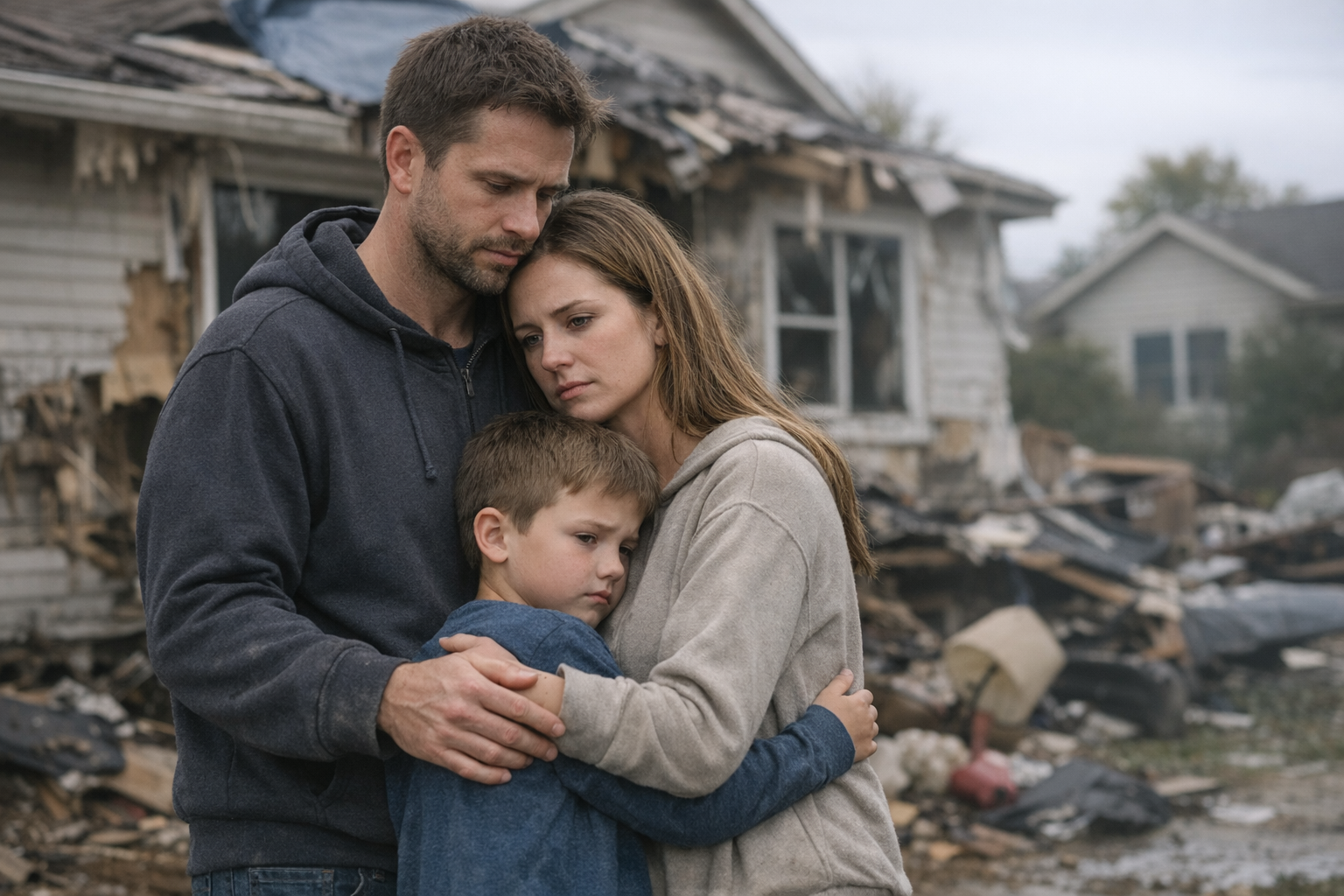
When disaster strikes your home, the psychological impact on your family extends far beyond damaged walls and ruined belongings. Research shows that 40% of disaster survivors experience long-term mental health effects, including anxiety, depression, and post-traumatic stress disorder.
The emotional toll of home disasters affects each family member differently. Children may develop sleep disorders or regression behaviors, while adults often struggle with feelings of helplessness and financial stress.
Understanding these emotional responses helps families prepare for the complete recovery process, not just the physical restoration of their property.
Immediate Psychological Responses to Home Disasters
The first 72 hours after a disaster trigger intense emotional reactions that catch many families off guard. Acute stress responses include disorientation, emotional numbness, and difficulty making decisions.
Family members often experience shock even when they logically understand what happened. This disconnect between rational thought and emotional processing is normal but can feel frightening.
Common immediate responses include:
- Disbelief and denial – “This can’t be happening to us”
- Overwhelming emotion – Uncontrollable crying or anger outbursts
- Physical symptoms – Nausea, headaches, or trembling
- Cognitive disruption – Inability to focus or remember basic information
- Sleep disturbances – Insomnia or recurring nightmares
The Role of Loss in Immediate Trauma
Families often underestimate the emotional attachment to possessions until they’re gone. A child’s artwork destroyed in a flood carries the same grief weight as losing irreplaceable family photos.
The loss of routine and familiar surroundings amplifies stress levels. When your morning coffee ritual disappears because your kitchen is uninhabitable, the disruption affects psychological stability.
Long-Term Psychological Impact on Different Family Members
The psychological impact of disasters varies significantly based on age, previous trauma exposure, and individual resilience factors. Each family member processes the experience through their developmental and emotional lens.
Effects on Children and Adolescents
Children under age 8 often display regression behaviors like bedwetting, thumb-sucking, or refusing to sleep alone. They may repeatedly ask when things will return to “normal” without understanding the timeline.
School-age children frequently develop separation anxiety, fearing that something bad will happen to parents when they’re apart. Academic performance often drops as concentration becomes difficult.
Teenagers face unique challenges as disasters disrupt their social connections and independence development. Moving to temporary housing or changing schools can trigger identity crises during already turbulent developmental years.
Adult Psychological Responses
Adults carry the dual burden of processing their own trauma while supporting their family’s emotional needs. This responsibility often leads to delayed psychological reactions as immediate survival takes priority.
Primary caregivers frequently develop hypervigilance, constantly scanning for potential threats or signs that another disaster might occur. This exhausting state of alertness can persist for months.
Financial stress compounds emotional trauma when insurance coverage falls short or temporary housing costs mount. The combination creates a perfect storm for anxiety and depression development.
Factors That Influence Recovery Outcomes
Several key factors determine how quickly and completely families recover from disaster-related psychological trauma. Understanding these elements helps families focus their energy on the most impactful recovery strategies.
Social Support Networks
Community connections serve as the strongest predictor of positive psychological outcomes after disasters. Families with robust support systems show 60% faster emotional recovery rates than isolated families.
Extended family, neighbors, religious communities, and workplace relationships all contribute to this protective network. Even casual acquaintances who offer practical help create meaningful psychological benefits.
Previous Trauma History
Families with prior disaster experience or unresolved trauma face higher risks for complicated recovery. Past experiences can either build resilience or create vulnerability, depending on how previous traumas were processed.
Professional mental health support becomes particularly important when family members have histories of depression, anxiety, or PTSD from other sources.
Quality of Professional Response
How restoration professionals interact with families during the recovery process significantly impacts psychological healing. Compassionate, communicative contractors help families feel heard and supported during vulnerable times.
When searching for restoration services, families can filter listings on restoration directories to find professionals with specific experience in trauma-sensitive approaches to disaster recovery.
Warning Signs That Professional Help Is Needed
Recognizing when normal stress responses cross into territory requiring professional intervention prevents long-term psychological complications. These warning signs indicate that family members need mental health support.
Red Flags in Children
Persistent behavioral changes lasting more than four weeks signal potential trauma complications in children. Normal adjustment typically shows improvement within the first month.
Specific concerning behaviors include:
- Complete withdrawal from previously enjoyed activities
- Aggressive behavior toward family members or peers
- Regression lasting more than two weeks
- Recurring nightmares or sleep terrors
- Excessive clinginess preventing normal daily activities
Adult Warning Signs
Adults often minimize their psychological needs while focusing on family care and practical recovery tasks. This self-neglect can lead to serious mental health complications.
Persistent symptoms including inability to sleep, constant worry about future disasters, or difficulty functioning at work indicate professional help is needed.
Substance use increases or emotional numbness lasting more than six weeks require immediate attention from qualified mental health professionals.
Building Resilience During the Recovery Process
Psychological recovery happens alongside physical restoration when families actively build resilience strategies. These approaches help transform traumatic experiences into opportunities for growth and increased family strength.
Creating New Routines Quickly
Routine restoration provides psychological anchoring when everything else feels uncertain. Even simple rituals like family dinnertime or bedtime stories create stability anchors.
Establishing these patterns within the first week of displacement helps children and adults maintain emotional equilibrium during chaotic recovery periods.
Involving Family Members in Recovery Planning
Age-appropriate involvement in restoration decisions helps family members regain a sense of control over their environment. Children can choose paint colors for their rooms while teens might research furniture replacement options.
This participation transforms family members from passive victims into active recovery participants, significantly improving psychological outcomes.
Documenting the Recovery Journey
Recovery documentation through photos, journals, or family meetings helps process the experience and track progress. Seeing tangible improvement boosts morale during difficult phases.
Many families find that creating a “recovery scrapbook” becomes a source of pride and resilience for future challenges.
Supporting Long-Term Family Healing
Complete psychological recovery often takes 12-24 months, extending well beyond physical restoration completion. Families need sustained support strategies that evolve with their changing needs.
Anniversary and Trigger Management
Disaster anniversaries frequently trigger unexpected emotional responses even years later. Weather events similar to the original disaster can cause anxiety spikes or flashback experiences.
Preparation strategies for these moments include family discussion before anniversaries and predetermined coping plans for trigger situations.
Building Future Preparedness Without Fear
Healthy recovery includes practical disaster preparedness that empowers rather than frightens family members. Emergency planning becomes a source of confidence rather than anxiety.
Involving children in age-appropriate emergency kit creation or evacuation planning helps them feel prepared rather than helpless if future disasters occur.
The psychological recovery from home disasters requires the same attention and resources as physical restoration. Families heal emotionally when they understand their responses are normal and seek appropriate support when needed.
Professional restoration services that understand the emotional dimensions of disaster recovery can significantly impact family healing outcomes. Browse qualified disaster cleanup and restoration professionals who prioritize both physical and emotional recovery support.