Finding the right decontamination service can mean the difference between safe, thorough cleanup and costly health risks. Different contamination scenarios demand specific expertise, equipment, and certifications that not every provider offers.
This guide breaks down how to match service capabilities with your exact contamination type. You’ll learn what questions to ask, which certifications matter, and how to evaluate provider qualifications for your situation.
Identify Your Contamination Type Before Searching
Biological contamination requires different expertise than chemical spills or mold remediation. Each contamination category demands specific training, equipment, and disposal protocols.
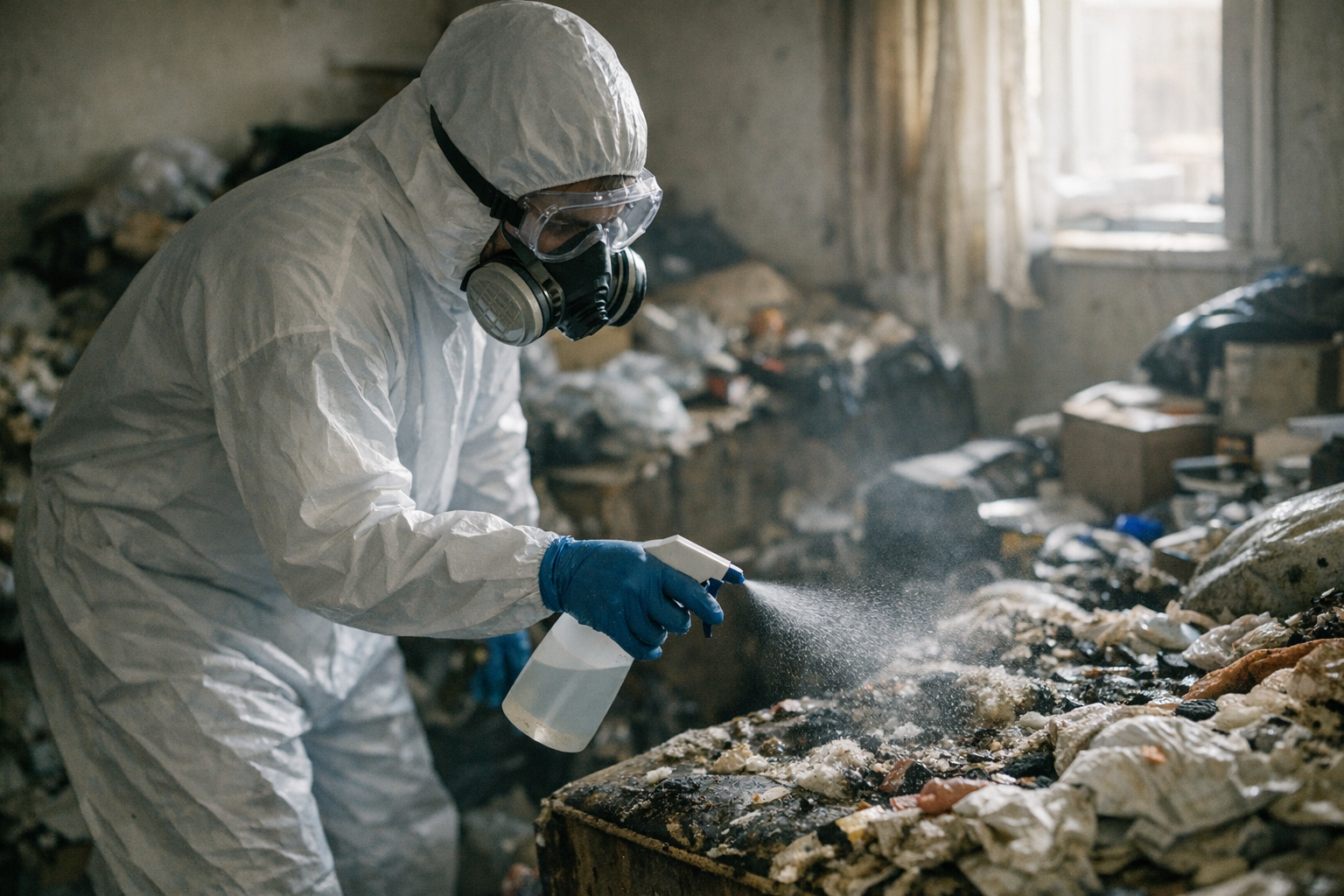
Crime scene cleanup teams handle blood, bodily fluids, and infectious materials using EPA-registered disinfectants. These technicians need OSHA bloodborne pathogen training and personal protective equipment rated for biological hazards.
Chemical contamination cleanup varies by substance type. Methamphetamine lab remediation follows different protocols than industrial solvent spills. Drug lab cleanup requires testing for residual contamination levels and specialized ventilation during cleaning.
Common Contamination Scenarios
- Biohazard cleanup: Crime scenes, unattended deaths, sewage backups, hoarding situations
- Chemical decontamination: Drug labs, industrial accidents, pesticide exposure
- Infectious disease cleanup: Hospital-grade disinfection after illness outbreaks
- Mold remediation: Water damage aftermath, HVAC system contamination
- Asbestos abatement: Renovation projects in older buildings
Essential Certifications for Decontamination Service Providers
IICRC certification serves as the industry standard for restoration and cleaning professionals. However, contamination type determines which specific certifications matter most for your situation.
Biohazard cleanup requires OSHA 40-hour HAZWOPER training and bloodborne pathogen certification. These credentials prove technicians understand infection control and can handle dangerous materials safely.
Mold remediation specialists need IICRC Applied Microbial Remediation Technician (AMRT) certification. This training covers containment procedures, air filtration, and proper removal techniques to prevent cross-contamination.
Certification Requirements by Contamination Type
- Crime scenes: OSHA bloodborne pathogen training, biohazard transport certification
- Mold removal: IICRC AMRT, state-specific mold remediation licenses where required
- Asbestos: EPA-approved asbestos training, state contractor licenses
- Lead paint: EPA RRP certification, state lead-safe work practice certification
Equipment and Technology Capabilities
Professional decontamination equipment differs significantly from standard cleaning tools. The right provider owns specialized gear rather than renting basic equipment for complex jobs.
Air scrubbers with HEPA filtration remove airborne contaminants during cleanup. Negative air machines create containment zones to prevent contamination spread to clean areas.
Ozone generators and hydroxyl generators break down odor molecules at the molecular level. These machines handle persistent odors that surface cleaning cannot eliminate.
Equipment to Verify
- Personal protective equipment rated for specific contaminants
- HEPA-filtered vacuum systems for particle removal
- Moisture detection equipment for hidden contamination
- ATP testing devices for biological contamination verification
- Thermal imaging cameras to locate moisture and mold growth
Response Time and Availability Requirements
Contamination spreads and worsens over time, making response speed a critical selection factor. Mold growth accelerates after 48 hours in wet conditions, while biohazards pose immediate health risks.
24/7 emergency response matters most for sewage backups, crime scenes, and chemical spills. These situations cannot wait for regular business hours without increasing health risks or property damage.
Some providers offer guaranteed response times within specific timeframes. Look for companies that commit to arrival times rather than vague “emergency service” promises.
Insurance and Liability Coverage
Decontamination work carries significant liability risks that require specialized insurance coverage. Standard general liability policies may exclude contamination-related claims.
Pollution liability insurance covers damages from improper handling of hazardous materials. This coverage protects both the service provider and property owner if contamination spreads during cleanup.
Workers’ compensation insurance protects technicians exposed to dangerous substances. Verify coverage amounts meet your state’s requirements and cover the specific contamination types involved.
Insurance Documentation to Request
- General liability coverage with contamination endorsements
- Pollution liability insurance certificates
- Workers’ compensation coverage verification
- Bonding certificates for theft protection
Testing and Verification Procedures
Proper decontamination includes pre-cleanup testing to establish contamination levels and post-cleanup verification to confirm successful removal. These testing protocols separate professional services from basic cleaning companies.
Third-party testing provides objective verification of cleanup success. Independent laboratories test air and surface samples to confirm contamination levels meet safety standards.
Some providers offer testing packages that include initial assessment, mid-process monitoring, and final clearance testing. This comprehensive approach documents the entire decontamination process.
Cost Structure and Payment Options
Decontamination pricing varies by contamination type, affected area size, and cleanup complexity. Understanding cost factors helps evaluate proposals and avoid unexpected charges.
Time and materials pricing works best for undefined contamination scope where full extent becomes clear during initial assessment. Fixed-price contracts suit well-defined contamination areas with known substance types.
Insurance direct billing simplifies payment when contamination results from covered incidents. Verify which insurance companies the provider works with and their claim filing procedures.
Cost Factors to Discuss
- Initial assessment and testing fees
- Disposal costs for contaminated materials
- Equipment rental charges vs. included service costs
- Additional charges for after-hours or weekend work
Geographic Coverage and Local Regulations
Contamination cleanup regulations vary by state and municipality, requiring providers familiar with local requirements. Out-of-area companies may lack necessary local permits or disposal facility relationships.
Waste disposal regulations differ significantly between jurisdictions. Local providers maintain relationships with approved disposal facilities and understand transportation requirements for hazardous materials.
Some contamination types require local health department notification or permits. Experienced local providers handle these regulatory requirements as part of their standard procedures.
How to Choose the Right Decontamination Service Using Directory Resources
Online directories streamline the provider comparison process by organizing companies by location, services offered, and customer ratings. Filter listings by contamination type to focus on relevant specialists.
Customer reviews reveal provider performance patterns across multiple jobs. Look for reviews mentioning similar contamination types and note comments about thoroughness, communication, and final results.
Directory certification badges help identify properly credentialed providers without requesting documentation from each company individually. Sort results by response time capabilities when dealing with emergency situations.
Directory Search Tips
- Filter by contamination type and service area
- Check certification displays and insurance verification
- Read recent reviews from similar contamination scenarios
- Compare response time guarantees and availability
- Request quotes from 3-5 qualified providers
Selecting the right decontamination service protects your health and property while meeting regulatory requirements. Focus on matching provider capabilities with your specific contamination type and verify credentials before making decisions.
Start comparing certified decontamination specialists in your area today. Browse disaster cleanup and restoration listings on https://restorationlocator.com to find qualified providers with the right expertise for your situation.
Sources
- OSHA – Bloodborne Pathogens Standard
- EPA – Mold Cleanup Guidelines
- IICRC – Standards