
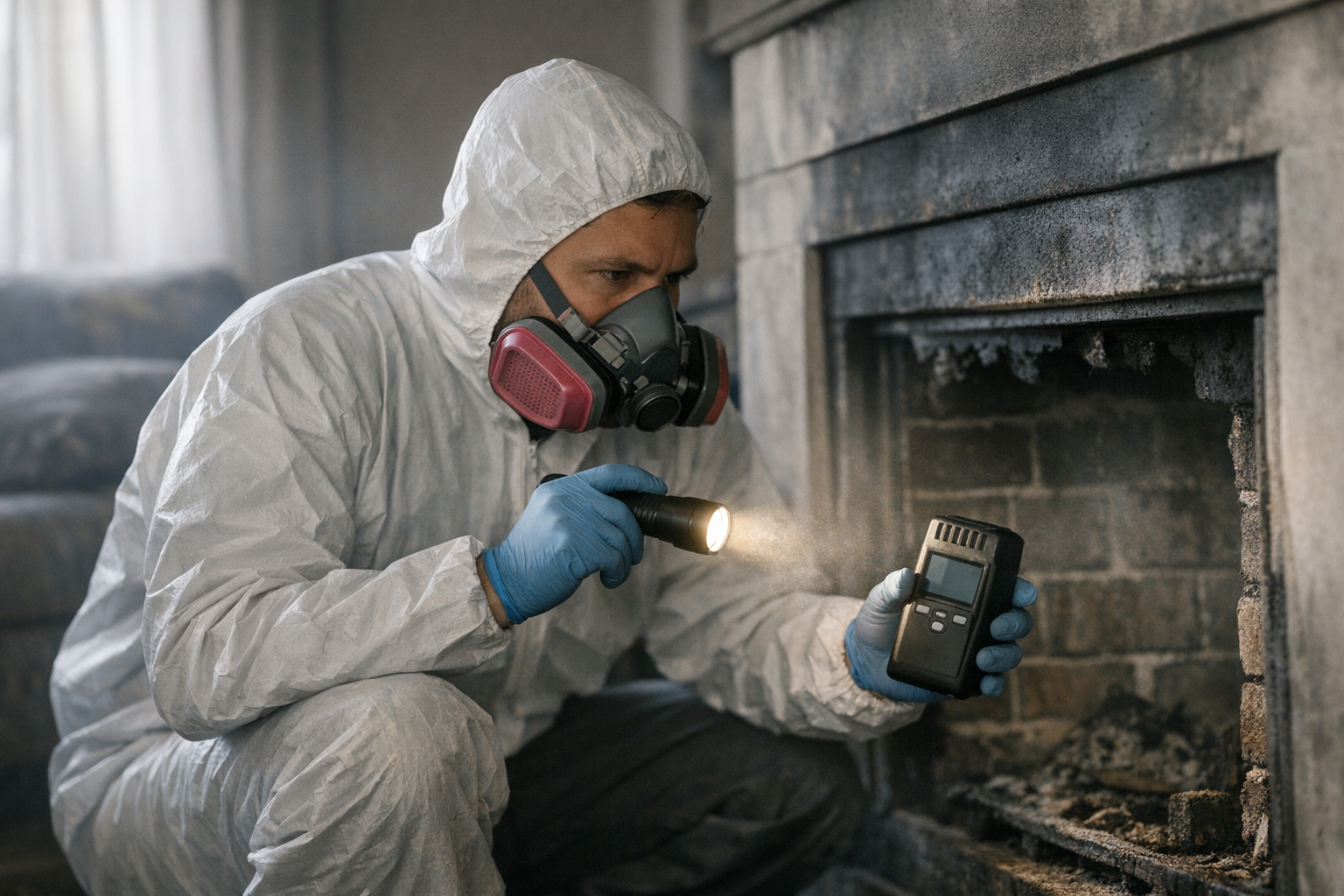
Understanding the Full Scope of Smoke Damage
Smoke damage repair extends far beyond what meets the eye after a fire. While flames create visible destruction, smoke infiltrates every porous surface, embedding acidic particles that continue damaging your property long after the fire department leaves.
Smoke particles measure less than one micron in diameter. They penetrate deep into fabrics, wood grain, and even concrete pores.
The repair process demands both immediate response and systematic evaluation. This guide walks you through professional assessment techniques and practical repair strategies.
Initial Safety Assessment Before Smoke Damage Repair
Your safety takes precedence over property evaluation. Smoke compromises structural integrity in ways that aren’t immediately obvious.
Check electrical systems first. Smoke residue conducts electricity, creating shock hazards on surfaces that normally pose no risk.
Test your HVAC system before turning it on. Contaminated ductwork will spread smoke particles throughout clean areas.
Critical Safety Steps
- Verify electrical power is safe with a qualified electrician
- Document structural damage with photographs from multiple angles
- Test water pressure and plumbing functionality
- Check foundation and load-bearing elements for heat damage
- Measure air quality with professional-grade monitors
Professional Assessment Techniques for Different Smoke Types
Different materials create distinct smoke signatures that require specific treatment approaches. Wet smoke from smoldering fires behaves differently than dry smoke from fast-burning blazes.
Protein smoke from kitchen fires leaves minimal visible residue but creates intense odors that bond to surfaces. This type penetrates deepest into porous materials.
Wet Smoke Characteristics
Wet smoke appears thick and sticky. It smears when wiped and leaves heavy residue on surfaces.
This smoke type typically results from low-heat fires with poor ventilation. It requires specialized cleaning agents that cut through the sticky film.
Dry Smoke Properties
Dry smoke creates fine, powdery residue that falls off surfaces when disturbed. High-temperature fires with good oxygen supply produce this type.
The residue appears easier to clean but actually spreads contamination when handled incorrectly. Professional-grade vacuum systems with HEPA filtration capture these particles.
Room-by-Room Damage Documentation
Systematic documentation protects your insurance claim and guides repair priorities. Each room requires specific attention based on its contents and smoke exposure level.
Kitchen areas suffer the most complex damage when fires originate there. Grease residue combines with smoke, creating acidic compounds that etch surfaces.
Living Areas Assessment
Upholstered furniture absorbs smoke particles deep into foam padding. Surface cleaning won’t eliminate embedded odors.
Electronics require immediate attention. Smoke residue corrodes circuit boards within days of exposure.
Wall surfaces show different damage patterns. Textured walls trap more particles than smooth surfaces.
Bedroom and Closet Evaluation
Fabric items need individual assessment. Natural fibers like cotton and wool absorb smoke differently than synthetic materials.
Clothing in closed drawers may escape contamination entirely. Items hung in open closets typically require professional cleaning.
Mattresses present health concerns. Smoke particles penetrate deep into foam and spring systems.
Testing Air Quality and Ventilation Systems
Air quality testing reveals contamination levels invisible to human senses. Professional-grade monitors detect particle concentrations measured in parts per million.
HVAC systems become contamination highways when smoke enters ductwork. Every air cycle spreads particles to previously clean areas.
Ductwork Inspection Process
Remove vent covers and examine the first few feet of ductwork with flashlights. Visible residue indicates complete system contamination.
Professional duct cleaning requires specialized equipment. Standard shop vacuums lack the power and filtration needed.
Replace all air filters immediately. Contaminated filters continue releasing particles even after professional cleaning.
Surface-Specific Repair Strategies
Each surface material demands tailored cleaning approaches. Using wrong techniques can drive smoke particles deeper into materials.
Painted walls with flat or eggshell finishes typically require repainting. Semi-gloss and gloss paints may clean successfully with proper techniques.
Wood Surface Restoration
Unfinished wood presents the greatest challenge. Smoke particles penetrate grain structure, requiring specialized sealing primers.
Hardwood floors need professional evaluation. Surface sanding removes contaminated wood fibers, but deep penetration may require board replacement.
Cabinet interiors often escape damage when doors remained closed during the fire. Test interior surfaces separately from exteriors.
Drywall and Plaster Treatment
Drywall paper facing absorbs smoke like a sponge. Light damage responds to specialized primers, but heavy contamination requires replacement.
Plaster walls handle smoke damage better than drywall. The dense surface prevents deep penetration in most cases.
Textured ceilings trap particles in their irregular surface. Professional cleaning techniques avoid spreading contamination during treatment.
Content Cleaning and Restoration
Personal belongings require individual evaluation based on material composition and sentimental value. Professional restoration services save items that appear beyond repair.
Paper documents suffer immediate damage from smoke exposure. Professional document restoration uses specialized freeze-drying techniques.
Textile Restoration Process
Professional textile cleaning uses ozone chambers and specialized detergents. These techniques exceed standard dry cleaning capabilities.
Leather goods require immediate treatment. Smoke acids begin permanent damage within hours of exposure.
Area rugs benefit from off-site cleaning facilities equipped with immersion tanks and controlled drying systems.
Electronics and Appliance Recovery
Circuit boards suffer corrosion damage from acidic smoke residue. Professional electronics restoration disassembles devices for component-level cleaning.
Large appliances need internal cleaning. Smoke particles contaminate internal components and ventilation systems.
Computer hard drives may survive when tower cases remained sealed. Professional data recovery services assess individual situations.
Structural Repair Considerations
Hidden damage appears weeks or months after initial cleaning. Smoke particles continue chemical reactions that weaken materials over time.
Load-bearing elements exposed to extreme heat require engineering evaluation. Wood beams lose structural capacity at temperatures above 300 degrees Fahrenheit.
Foundation and Framing Issues
Concrete foundations develop micro-cracks from rapid temperature changes. These cracks allow smoke penetration into basement areas.
Steel framing elements expand and contract during fires. Connection points suffer stress that may not appear until later.
Insulation materials trap smoke particles and continue off-gassing contaminated air. Complete replacement ensures long-term air quality.
Professional vs. DIY Repair Decisions
Insurance coverage often determines repair scope, but health considerations should guide your decisions. Professional equipment removes contamination that household cleaning cannot address.
Professional restoration companies use industrial air scrubbers, ozone generators, and specialized cleaning agents. These tools exceed consumer-grade options by significant margins.
When Professional Help Becomes Necessary
HVAC contamination requires professional duct cleaning equipment. Standard shop vacuums spread particles rather than removing them.
Structural damage assessment needs engineering expertise. Hidden damage appears months after initial repairs.
Health concerns multiply with contamination levels. Professional-grade air quality monitoring provides objective measurements.
Choosing Qualified Restoration Professionals
Certification credentials separate qualified professionals from general contractors. Look for IICRC (Institute of Inspection, Cleaning and Restoration Certification) credentials.
Experience with your specific smoke type matters significantly. Protein smoke requires different techniques than synthetic material smoke.
Equipment capabilities vary dramatically between companies. Ask about air scrubber capacities, cleaning agent types, and monitoring equipment.
When evaluating restoration professionals, filter listings by location and check reviews to find experienced providers. Sort by specialization to match your specific needs.
Smoke damage repair success depends on immediate response and proper technique selection. Professional assessment prevents costly mistakes that worsen contamination.
The combination of systematic evaluation and targeted repair strategies saves both property and health. Start your search for qualified professionals today at https://restorationlocator.com.