The Hidden Environmental Cost of Disaster Response
Every disaster cleanup operation creates its own environmental impact that extends far beyond the original damage. When hurricane floodwaters recede or fire smoke clears, the restoration process begins with chemicals, equipment, and waste disposal methods that can harm local ecosystems for years.
Professional disaster cleanup teams face a complex challenge. They must restore properties quickly while minimizing additional environmental damage from their own operations.
The choices made during cleanup determine whether communities recover with cleaner, healthier environments or inherit new pollution problems.
Chemical Contamination During Restoration Work
Traditional cleaning agents used in disaster restoration contain volatile organic compounds (VOCs) that contaminate indoor air for months after application. Antimicrobial treatments, paint strippers, and adhesive removers release these compounds into homes where families will live.
Bleach-based disinfectants create chlorinated byproducts when they contact organic materials in floodwater. These byproducts persist in soil and groundwater long after cleanup crews finish their work.
Safer Chemical Alternatives
Green-certified restoration companies now use hydrogen peroxide-based cleaners that break down into water and oxygen. Enzyme-based treatments digest organic contaminants without creating toxic residues.
Plant-derived surfactants replace petroleum-based cleaning agents in many applications. These alternatives clean effectively while reducing the environmental impact of restoration work.
Waste Generation and Disposal Challenges
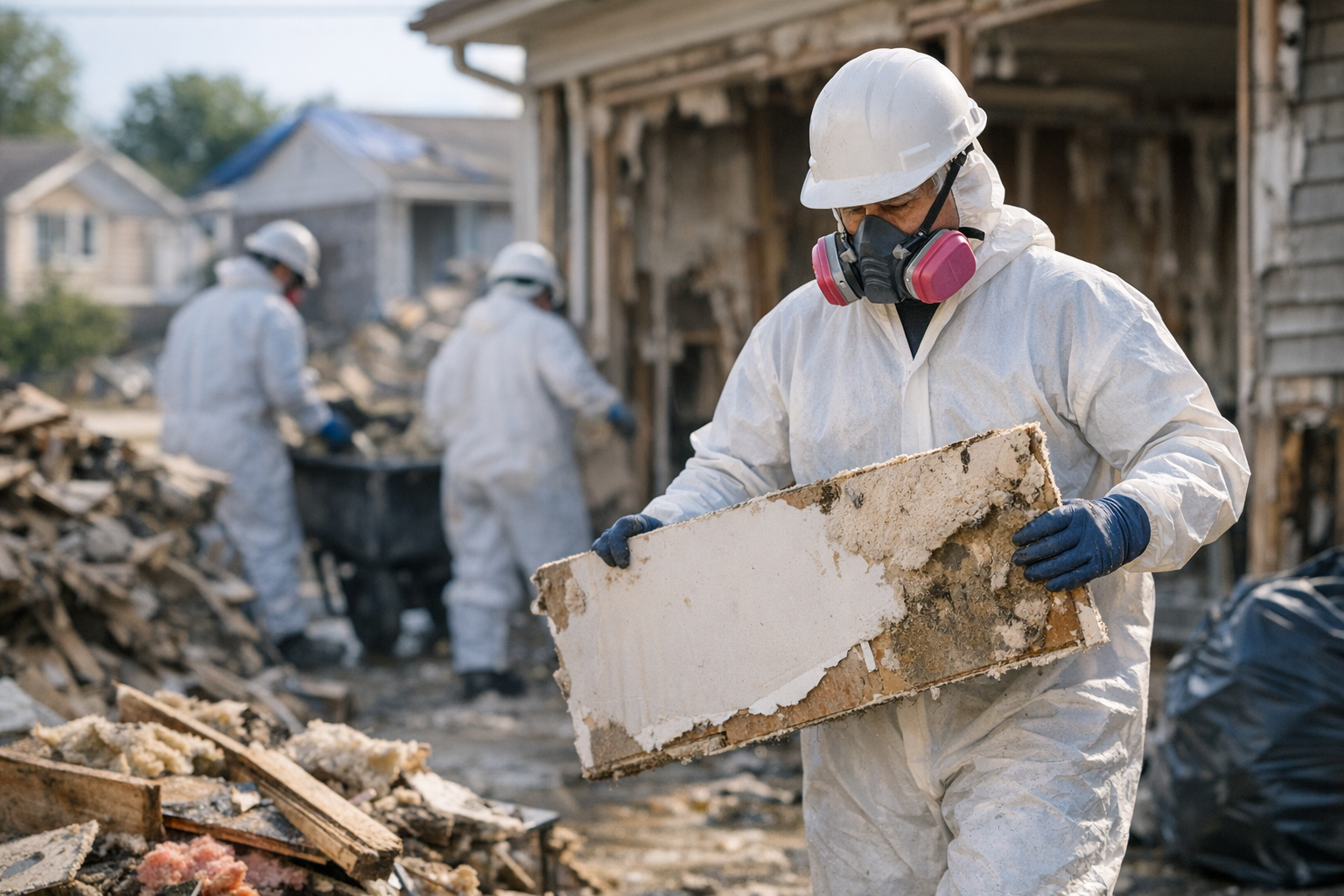
Disaster cleanup generates massive waste volumes that overwhelm local disposal systems. A single flooded home produces an average of 8,000 pounds of debris requiring removal and disposal.
Mixed waste streams complicate recycling efforts when contaminated materials get combined with recyclable content. Drywall mixed with insulation and wood creates disposal challenges that often end in landfills.
Waste Reduction Strategies
Forward-thinking restoration companies separate materials at the source to maximize recycling opportunities:
- Metal separation – Copper pipes, steel fixtures, and aluminum siding get diverted to metal recyclers
- Concrete crushing – Foundation materials become aggregate for new construction projects
- Wood chipping – Structural lumber becomes mulch or biomass fuel when contamination levels allow
- Appliance recovery – Refrigerant capture and metal recycling prevent harmful releases
Water Usage and Contamination Issues
Pressure washing operations can consume 500-800 gallons of water per hour during exterior cleaning. This runoff carries contaminants from damaged structures into storm drains and waterways.
Carpet cleaning and structural drying require additional water volumes that become contaminated with mold spores, bacteria, and chemical residues. Improper disposal of this wastewater creates secondary pollution sources.
Water Conservation Methods
Advanced restoration techniques reduce water consumption while improving cleaning effectiveness. Steam cleaning uses 90% less water than pressure washing while achieving better sanitization results.
Closed-loop water systems capture and filter rinse water for reuse during cleaning operations. These systems prevent contaminated water from entering municipal systems.
Energy Consumption and Carbon Footprint
Industrial dehumidifiers and air movers operate 24/7 during structural drying, consuming massive amounts of electricity. A typical water damage restoration project uses 15,000-20,000 kilowatt-hours of energy over 3-5 days of continuous operation.
Transportation of equipment and debris generates additional carbon emissions. Multiple trips between job sites and disposal facilities multiply the environmental impact of each project.
Energy-Efficient Equipment Options
Variable-speed dehumidifiers adjust power consumption based on moisture levels rather than running at full capacity continuously. Heat pump dehumidifiers use 40% less energy than conventional refrigerant units.
Route optimization software helps restoration companies reduce fuel consumption by planning efficient pickup and delivery schedules.
Long-term Environmental Effects on Communities
Repeated disaster cleanup cycles create cumulative environmental stress in vulnerable communities. Areas prone to flooding or wildfire face ongoing exposure to restoration chemicals and waste disposal impacts.
Soil contamination from improper chemical disposal affects local food production and groundwater quality. These effects persist long after communities appear to have recovered from the original disaster.
Community Protection Measures
Environmental monitoring during large-scale cleanup operations tracks air and water quality changes. Regular testing identifies contamination problems before they become permanent fixtures.
Public disclosure of cleanup methods and chemical use helps communities make informed decisions about restoration contractors. Transparency builds trust while encouraging better environmental practices.
Choosing Environmentally Responsible Restoration Providers
Green restoration certifications indicate companies trained in environmental protection methods. The Institute of Inspection, Cleaning and Restoration Certification (IICRC) offers specialized courses in environmental practices.
Questions about waste disposal methods reveal whether contractors prioritize recycling over convenient landfill disposal. Ask about specific recycling partnerships and disposal tracking procedures.
Key Environmental Criteria
When evaluating restoration companies, prioritize those offering:
- Low-VOC or zero-VOC cleaning products for indoor air quality protection
- Waste separation and recycling programs with documented disposal methods
- Energy-efficient equipment to reduce carbon footprint
- Water conservation techniques and proper wastewater disposal
- Environmental monitoring and reporting for transparency
Regulatory Requirements and Industry Standards
EPA regulations govern the disposal of contaminated materials and hazardous waste generated during cleanup operations. Violations can result in fines and cleanup orders that affect entire communities.
State environmental agencies set additional requirements for water discharge and air emissions from restoration activities. These regulations vary significantly between jurisdictions.
Industry standards continue evolving toward environmental protection. New guidelines emphasize prevention of secondary contamination during cleanup operations.
The Future of Eco-Conscious Disaster Recovery
Biotechnology innovations introduce living organisms that digest contaminants without producing toxic byproducts. Bacterial treatments for mold removal eliminate the need for harsh chemical fungicides.
Renewable energy systems power restoration equipment at remote job sites. Solar generators and battery storage reduce reliance on diesel-powered equipment during extended cleanup operations.
The environmental impact of disaster cleanup will decrease as more companies adopt sustainable practices and communities demand environmental accountability from restoration providers.
Conclusion
Understanding the environmental impact of disaster cleanup helps communities make better decisions about restoration contractors and methods. Chemical contamination, waste generation, and resource consumption create lasting effects that extend far beyond the original disaster damage.
Choosing restoration providers committed to environmental protection reduces these impacts while achieving effective property recovery. Green cleaning methods, waste reduction strategies, and energy conservation benefit both individual property owners and entire communities.
Browse disaster cleanup and restoration listings at RestorationLocator.com to find environmentally conscious providers in your area who prioritize sustainable recovery practices.