
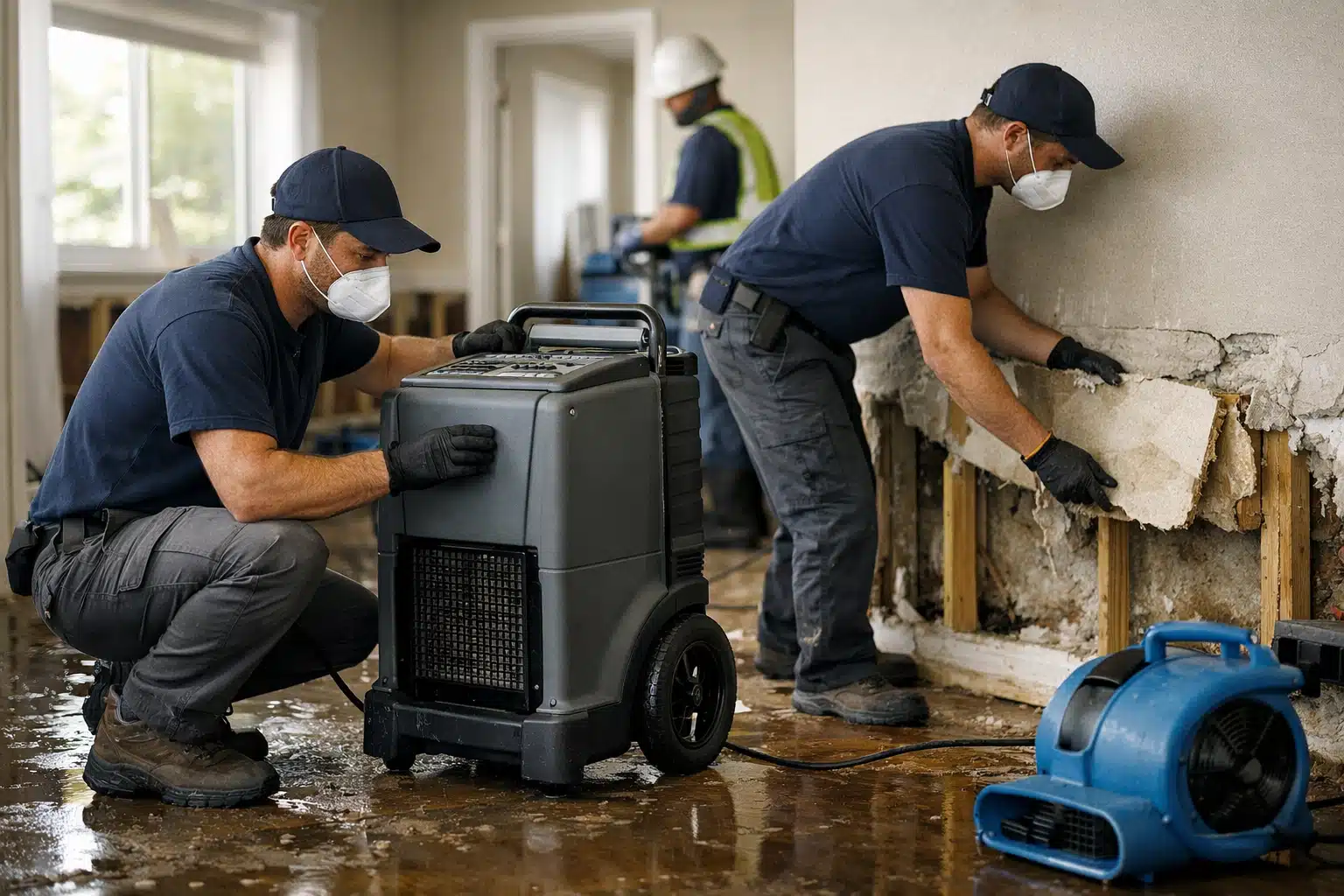
Late summer storms leave a specific kind of mess. Saturated humidity, warm standing water, and rapid mold growth make storm damage restoration after August and September events different from spring or winter cleanup. Choosing the wrong provider costs you time you do not have.
This post breaks down how to pick a restoration company for late summer conditions. You will learn what questions to ask, which credentials matter, and how to compare providers by response speed and equipment.
Why Late Summer Storm Damage Needs a Different Approach
Late summer combines high heat with high moisture. That mix accelerates secondary damage faster than any other season.
Mold can begin colonizing wet drywall within 24 to 48 hours. In August humidity, that window shrinks. A provider that shows up three days later has already lost the fight against microbial growth.
Common late summer scenarios include:
- Hail damage from severe thunderstorms battering roofs and siding
- Flash flooding from slow-moving tropical systems and stalled fronts
- Wind damage and fallen trees from derechos and gust fronts
- Hurricane and tropical storm impact along coastal and inland paths
Each scenario calls for different equipment and certifications. A company strong at roof tarping may lack the dehumidification capacity for a flooded basement.
The Humidity Problem Most Homeowners Miss
Standard air movers dry surfaces. They do not lower ambient humidity in a sealed, hot house.
Late summer restoration requires desiccant or LGR dehumidifiers sized to the space. Ask any provider how many units they will place and their grain-depression targets. Vague answers mean vague results.
Storm Damage Restoration Credentials That Actually Matter
The single most useful credential is IICRC certification. The Institute of Inspection, Cleaning and Restoration Certification sets the standards for water and mold remediation work.
Look for specific IICRC designations when comparing companies:
- WRT — Water Damage Restoration Technician
- ASD — Applied Structural Drying
- AMRT — Applied Microbial Remediation Technician
For late summer flood and mold work, AMRT and ASD carry the most weight. A crew without ASD training frequently under-dries structures and leaves moisture trapped in wall cavities.
Insurance and Documentation
Verify the company carries general liability and workers’ compensation coverage. Ask for a certificate of insurance before work starts.
Strong providers document moisture readings daily. They photograph affected areas and log psychrometric data. That paperwork supports your insurance claim and speeds reimbursement.
How to Compare Providers by Response Time
Response time decides how much of your home is salvageable. In late summer, a 6-hour delay changes the entire scope of repairs.
Use this checklist when contacting restoration companies:
- Ask their current arrival window for your zip code, not their advertised average
- Confirm they operate 24/7 during active storm periods
- Ask how many crews they have available that week
- Request a written moisture-inspection plan for the first visit
- Verify they can begin water extraction the same day
After a regional storm, demand spikes and crews get stretched thin. A company booked solid three counties away will not help you in the window that matters.
Watch for Post-Storm Contractor Surges
Major late summer events draw out-of-area operators and storm chasers. Some do solid work. Many collect deposits and vanish.
Prioritize local, established providers with a physical address you can verify. Use Restoration Locator to filter listings by location and confirm the company operates in your area year-round.
Using Restoration Locator to Narrow Your Choices
Restoration Locator is built to help you compare providers side by side. That matters most when you are working against the clock after a storm.
Use these directory features to shortlist candidates:
- Filter by location to find crews near your damaged property
- Sort by service type for water extraction, mold, or wind damage
- Check reviews from homeowners who dealt with similar storm scenarios
- Compare listings for certifications and business details
Reading recent reviews tells you how a provider performed under real storm-season pressure. Look for comments mentioning response speed and moisture testing.
Questions to Ask Before You Sign
Before committing to any restoration company, get clear answers to five questions:
- What is your written scope of work and estimated timeline?
- Do you bill my insurance directly or require upfront payment?
- Which IICRC-certified technicians will be on site?
- How do you confirm the structure is dry before rebuilding?
- What warranty covers mold recurrence after the job?
A company that answers these plainly is worth your shortlist. One that dodges them is a risk in a season where mistakes multiply fast.
Matching the Provider to Your Specific Damage
Different late summer scenarios need different strengths. Match the provider to the damage you actually have.
Flash flood in the basement: Choose a company with high-capacity extraction pumps and LGR dehumidifiers. Confirm AMRT certification for contaminated water.
Hail and roof damage: Prioritize crews with fast emergency tarping and moisture mapping of ceilings. Interior water intrusion follows roof breaches within hours.
Fallen tree through the roof: Look for providers who handle both structural stabilization and water mitigation. A single coordinated crew avoids gaps between vendors.
Summer Restoration and Mold Prevention
Summer restoration lives or dies on drying speed. The best crews return with moisture meters after 48 hours to confirm targets are met.
Ask whether they apply an antimicrobial treatment to affected framing and subfloor. In warm, humid conditions, that step reduces the odds of a callback for mold.
Red Flags to Avoid
Some warning signs should end a conversation immediately:
- No physical business address or local presence
- Pressure to sign before an inspection
- Large cash deposits demanded upfront
- No IICRC certification or refusal to name it
- Vague or absent moisture-documentation practices
Late summer storm surges attract opportunists. A five-minute verification saves you from a costly repair failure later.
Conclusion
Choosing the right storm damage restoration company after a late summer event comes down to speed, certification, and matching the crew to your specific damage. Verify IICRC credentials, confirm same-day extraction, and prioritize local providers with documented moisture testing. The humidity of late summer punishes delay, so act fast and compare carefully.
Start your search on Restoration Locator. Filter by location, compare certified providers, and find a crew ready for late summer storm cleanup.