
Late summer produces some of the year’s most dangerous flooding, and most homeowners have no warning before water reaches their door. Between July and September, monsoon moisture, dying tropical systems, and slow-moving thunderstorms drop rain faster than storm drains can handle. This article covers flash flood preparation built around the weather patterns that make late summer so risky.
You will learn why late-season storms behave differently, which home defenses matter most, and how to act during the first 15 minutes of rising water. Every step here comes from patterns restoration crews see repeated year after year.
Why Late Summer Flash Floods Are Different
Late summer flooding rarely comes from a single big storm. It comes from saturated ground meeting sudden, intense rainfall.
By August, soil in many regions has absorbed months of rain and cannot take more. When a monsoon cell or tropical remnant stalls overhead, that water has nowhere to go but sideways and down.
The Weather Patterns Driving the Risk
- Monsoon surges in the Southwest dump one to three inches in under an hour, turning dry washes into rivers.
- Dying tropical systems lose wind but keep moisture, releasing it inland over Tennessee, Kentucky, and the Appalachians.
- Slow-moving “training” storms line up over the same neighborhood for hours, a common late-August event across the Midwest.
The result is water arriving faster than during spring flooding. Spring floods often build over days. Late summer flash floods can put six inches in a basement in under 30 minutes.
Flash Flood Preparation Steps to Take Before the Season
Effective flash flood preparation happens weeks before rain arrives, not during the warning. Focus on redirecting water and sealing entry points first.
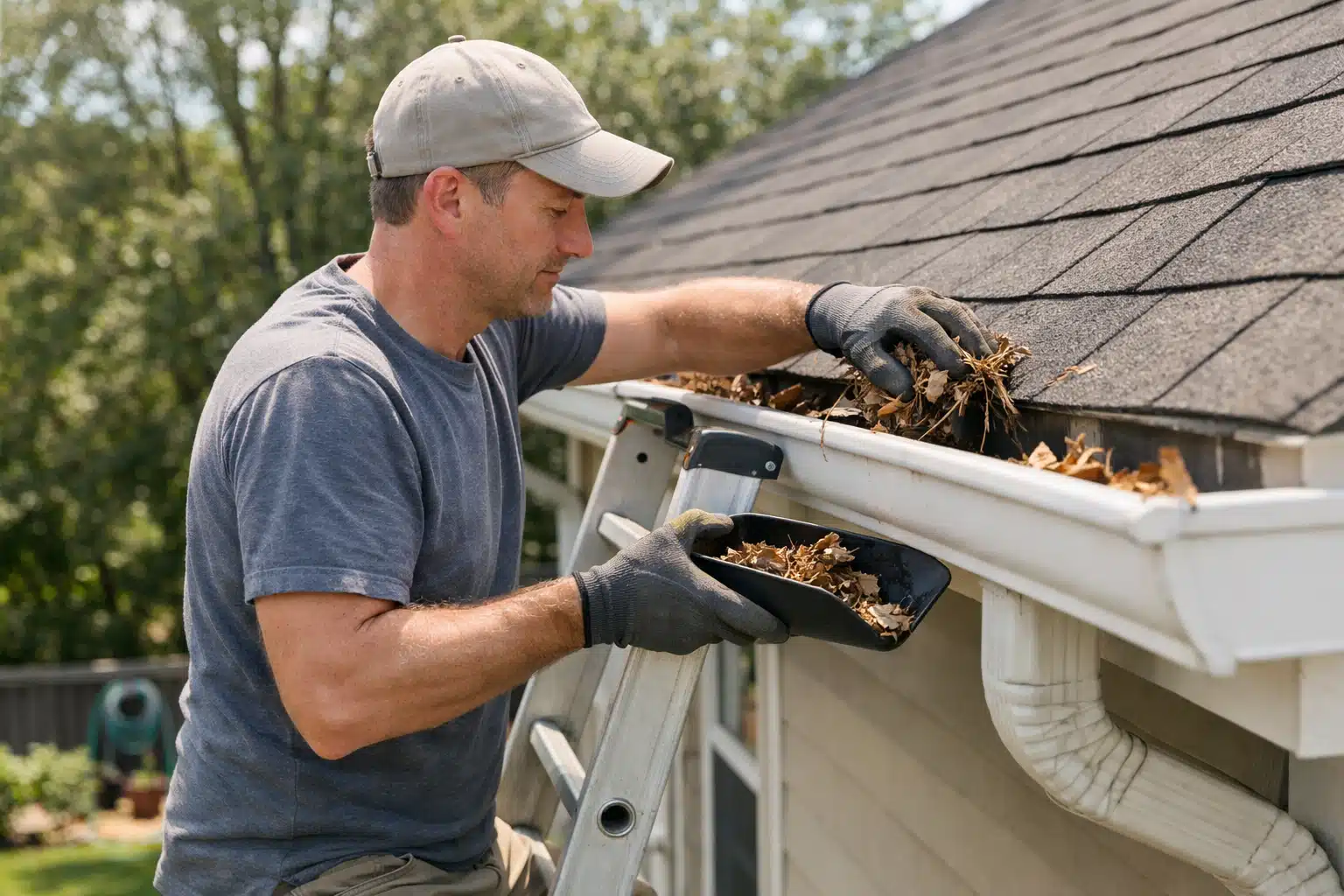
- Clear gutters and downspout extensions. Late summer pollen and early leaf drop clog systems right before peak storms. Extend downspouts at least six feet from the foundation.
- Test your sump pump under load. Pour five gallons into the pit and confirm it cycles. Add a battery backup, since summer storms knock out power constantly.
- Install or check backwater valves. Overwhelmed municipal sewers push sewage back into basements during heavy rain. A backwater valve blocks the reversal.
- Regrade problem spots. Soil should slope away from the house at least six inches over ten feet.
- Seal foundation cracks. Hairline cracks that stay dry in July become active leaks under August downpours.
Protect What Sits Low in Your Home
Water damage costs climb fast when finished basements and ground floors take the hit. Move irreplaceable items off the floor now, not during a warning.
- Raise electronics, documents, and photos onto shelves above expected water lines.
- Elevate the furnace, water heater, and HVAC units onto masonry blocks if they sit in the basement.
- Store important papers in waterproof containers on upper floors.
Reading Late Summer Flood Warnings Correctly
A flash flood warning means water is already rising or about to. It leaves almost no time to react, unlike a watch issued hours ahead.
Late summer storms trigger warnings with little lead time because rainfall rates spike so quickly. Sign up for local emergency alerts and keep a battery weather radio charged.
Know Your Local Flood Behavior
Every neighborhood floods differently based on terrain and drainage age. Homes near dry creek beds, cul-de-sacs, and older sewer systems face higher summer flood risks.
Walk your street during the next hard rain. Note where water pools and how fast it drains. That firsthand observation tells you more than any flood map.
What to Do in the First 15 Minutes of Rising Water
The first 15 minutes decide how much you lose. Fast, ordered action limits both danger and damage.
- Cut power to flood-prone areas at the breaker if you can reach it safely and dry.
- Move upward, not toward the water. Never enter a flooding basement to grab items.
- Deploy sandbags or flood barriers at doors and low vents if water is still approaching.
- Shut off gas if you smell it or if flooding reaches appliances.
- Photograph everything before and during, since insurers require proof of water levels.
Never drive or walk into moving water. Six inches knocks an adult off their feet, and a foot floats most vehicles. Late summer flash floods pull cars into washes every year.
After the Water Recedes: Acting on Summer Flood Risks Fast
Mold begins growing within 24 to 48 hours in warm, humid late-summer air. Speed matters more after summer flooding than after cold-weather flooding.
Heat and humidity accelerate bacterial growth in floodwater, especially when sewage backup is involved. Treat any late-season flood water as contaminated until proven otherwise.
Steps for the First 48 Hours
- Remove standing water with pumps or wet vacuums as soon as it is safe.
- Pull up soaked carpet, padding, and drywall below the water line.
- Run fans and dehumidifiers continuously to fight summer humidity.
- Document all damaged materials before discarding them.
- Call a restoration crew for anything beyond a small, clean-water spill.
How to Find the Right Restoration Help
Late summer storms flood entire neighborhoods at once, and demand for cleanup crews spikes overnight. Knowing where to look before disaster strikes saves hours you will not have later.
Use Restoration Locator to find Disaster Cleanup & Restoration providers near you. The directory lets you compare firms fast when time is short.
Use These Directory Filters
- Sort by location to find crews close enough to arrive before mold sets in.
- Check reviews from homeowners who dealt with water damage recently.
- Filter listings by water damage and mold remediation to match your exact situation.
Bookmark two or three local providers now. During peak storm weeks, the crews that answer first fill their schedules within hours.
Key Takeaways
Late summer flash floods hit fast because saturated ground and stalled storms overwhelm drainage in minutes. Prepare before the season by clearing water paths, testing your sump pump, and raising valuables. Act within the first 48 hours after flooding to stop mold before humid air feeds it.
Find vetted water damage crews before the next storm rolls in. Browse Disaster Cleanup & Restoration listings now at Restoration Locator.