
A single loose roof shingle can turn a Category 2 hurricane into a five-figure repair bill. Most storm damage starts at weak points a homeowner walks past every day without noticing.
A home safety audit finds those weak points before wind and water do. This walkthrough covers the exact checks that matter for hurricane risk, room by room and system by system.
You will learn what to inspect, how to spot early failure signs, and when to call a specialist for repairs that go beyond a ladder and a caulk gun.
What a Home Safety Audit Is and Why Hurricanes Demand a Different One
A home safety audit is a structured inspection of a house to find hazards and structural weaknesses before they cause damage. A hurricane-focused audit narrows that inspection to the failure points storms attack: wind uplift, water intrusion, and flying debris.
Standard home checks miss storm-specific risks. A general inspector may pass a garage door that a 110 mph gust would buckle in seconds.
The goal is different for hurricane preparation. You are not asking “is this safe?” You are asking “will this hold when wind loads triple and rain drives sideways for six hours?”
Start With the Roof: Your First and Most Expensive Failure Point
The roof is where hurricane losses begin. Once wind lifts one section, pressure changes inside the house and the rest can peel away.
What to Check on the Roof
- Shingles or tiles — Look for lifted edges, missing pieces, and granule loss in gutters. Curled shingles fail first.
- Roof-to-wall connections — In the attic, check for hurricane straps or clips tying rafters to walls. Homes built before 2002 in Florida rarely have them.
- Flashing — Inspect metal seals around chimneys, vents, and skylights for gaps or rust.
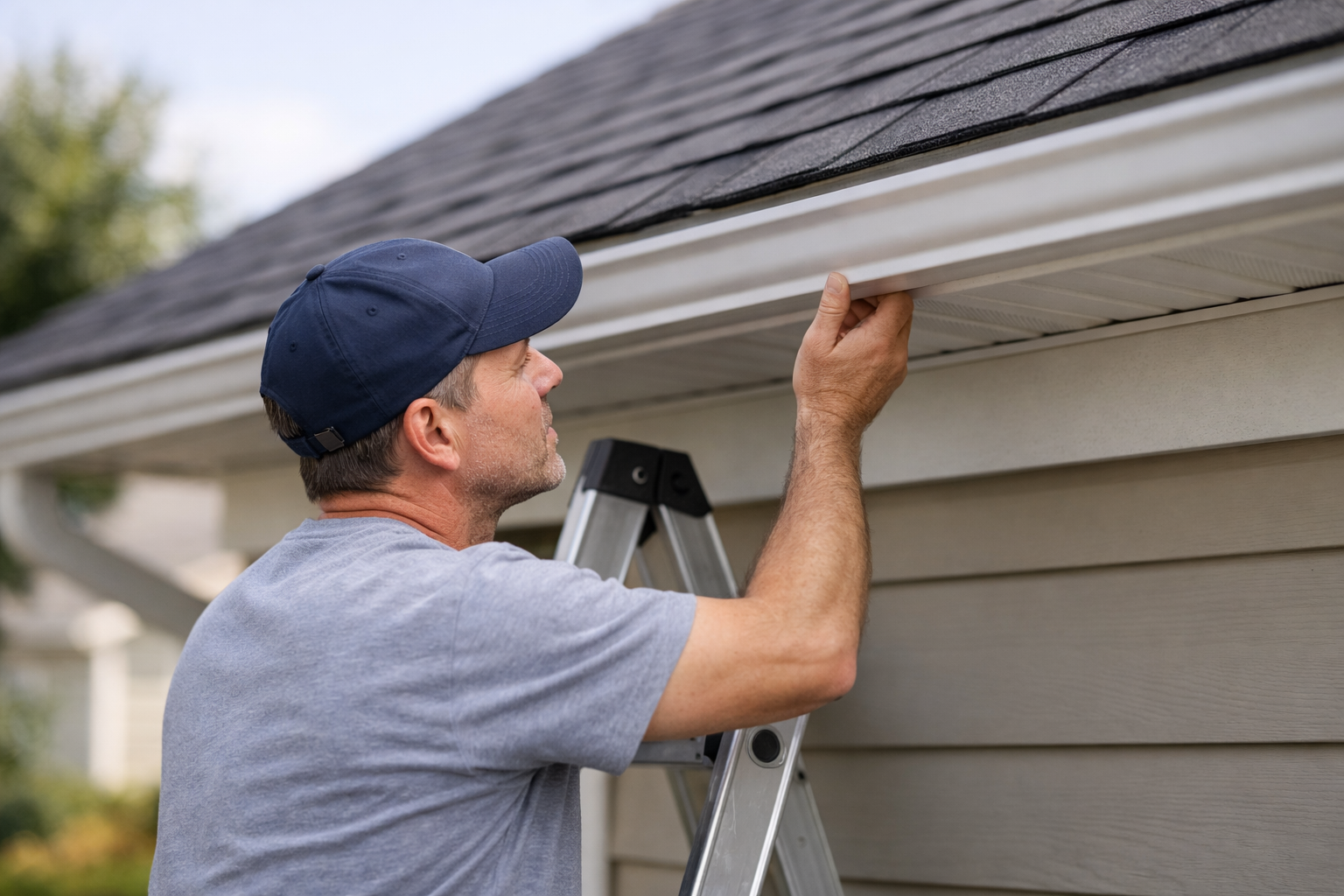
- Soffits and fascia — Loose soffit panels let wind push into the attic and blow the roof off from underneath.
Push gently on soffit panels from below. If they flex or rattle, wind will find that gap.
Windows, Doors, and the Garage: Where Debris Gets In
A breached opening changes everything. Once wind enters, internal pressure can lift the roof and blow out walls.
Windows and Sliding Doors
Check whether your windows are impact-rated. Look for an etched code in a corner of the glass, usually reading something like “SGCC” or a Miami-Dade approval number.
- No impact glass? Confirm you have shutters or plywood panels cut and labeled per opening.
- Test that shutter tracks and bolts are free of corrosion and turn easily.
- Inspect window frames for rot or gaps in the caulk seal.
The Garage Door Nobody Checks
The garage door is the largest opening on most homes and the weakest. A failed garage door caused a large share of home losses in Hurricane Andrew.
Look for a wind-load rating label on the door. If there is none, a bracing kit rated for your zone is a low-cost fix worth prioritizing.
Water Intrusion: The Damage That Arrives After the Wind
Most hurricane insurance claims involve water, not wind. Flooding and roof leaks drive mold that spreads within 24 to 48 hours of saturation.
Drainage and Grading Checks
- Gutters and downspouts — Clear debris and confirm water discharges at least five feet from the foundation.
- Yard grading — Soil should slope away from the house. Standing water near the slab signals a problem.
- Sump pump — Test it and confirm a battery backup, since storms cut power exactly when you need it.
- Foundation and wall cracks — Mark existing cracks so you can spot new movement after a storm.
Interior Water Points
Check window sills and ceiling corners for old water stains. A faint brown ring means water already found a path once.
Photograph every stain now. This record helps distinguish pre-existing damage from storm damage during a claim.
Systems, Trees, and Loose Objects
Electrical and Utilities
Know where your main water shutoff, gas valve, and breaker panel are. Tag them so any family member can shut them off in minutes.
Elevate ground-level HVAC condensers and electrical panels if your area floods. A raised unit survives storm surge that ruins a slab-mounted one.
Trees and Yard Debris
Walk your property and identify branches within striking distance of the roof or windows. Dead limbs and leaning trees become projectiles.
- Trim branches back from the roofline before the season starts.
- Plan where you will store patio furniture, grills, and planters.
- Anchor sheds and check that fence posts are set in concrete.
Build Your Audit Checklist and Document Everything
Turn your walkthrough into a written record you update each year. Documentation speeds insurance claims and cleanup coordination after a storm.
- Photograph each room, the exterior on all four sides, and the roof.
- Record your appliance and system serial numbers.
- Save the file to cloud storage so it survives a flooded house.
- Note which repairs you handled and which need a specialist.
Store this alongside your policy documents. After a storm, adjusters move faster when you hand them dated before-and-after evidence.
When to Call a Restoration or Repair Specialist
Some findings during a home safety audit need work beyond DIY reach. Roof-to-wall strapping, structural cracks, and flood-proofing require licensed help.
Restoration companies also handle post-storm work: water extraction, mold remediation, and structural drying. Lining one up before the season means you are not competing with thousands of homeowners after the fact.
How to Vet a Provider on Restoration Locator
Use these filters to narrow your search:
- Sort by location to find crews who reach your area quickly after a storm.
- Check reviews from homeowners who faced similar hurricane damage.
- Filter by specialty such as water damage, mold remediation, or structural repair.
- Confirm licensing and insurance before an emergency forces a rushed choice.
Contacting a company now, before wind season peaks, puts you at the front of their call list.
Conclusion
A hurricane-focused home safety audit targets the roof, openings, drainage, and loose debris that cause the most storm damage. Document every finding, fix what you can, and flag structural work for a licensed specialist.
The homeowners who fare best treat this as a yearly habit, not a last-minute scramble. Browse Disaster Cleanup & Restoration listings now at restorationlocator.com and connect with a provider before the next storm forms.