
Understanding Spring Flood Hazards
Spring floods create unique hazardous material cleanup challenges that differ from other seasonal disasters. Melting snow combines with heavy rainfall to overwhelm drainage systems, pushing contaminated water into homes and businesses.
Floodwater carries sewage, chemicals, petroleum products, and agricultural runoff. These contaminants settle into porous materials like drywall, insulation, and flooring.
Spring flooding often occurs when ground remains frozen, preventing proper water absorption. This forces contaminated water to flow overground, picking up more hazardous materials along the way.
Immediate Safety Measures
Never enter a flooded area until utilities are shut off and the structure is deemed safe. Electrical hazards combined with contaminated water create deadly conditions.
Contact your local utility companies to disconnect power, gas, and water services. Wait for official clearance before re-entering your property.
Document everything with photos and videos from a safe distance. Insurance companies require visual evidence of damage and contamination levels.
Personal Protection Requirements
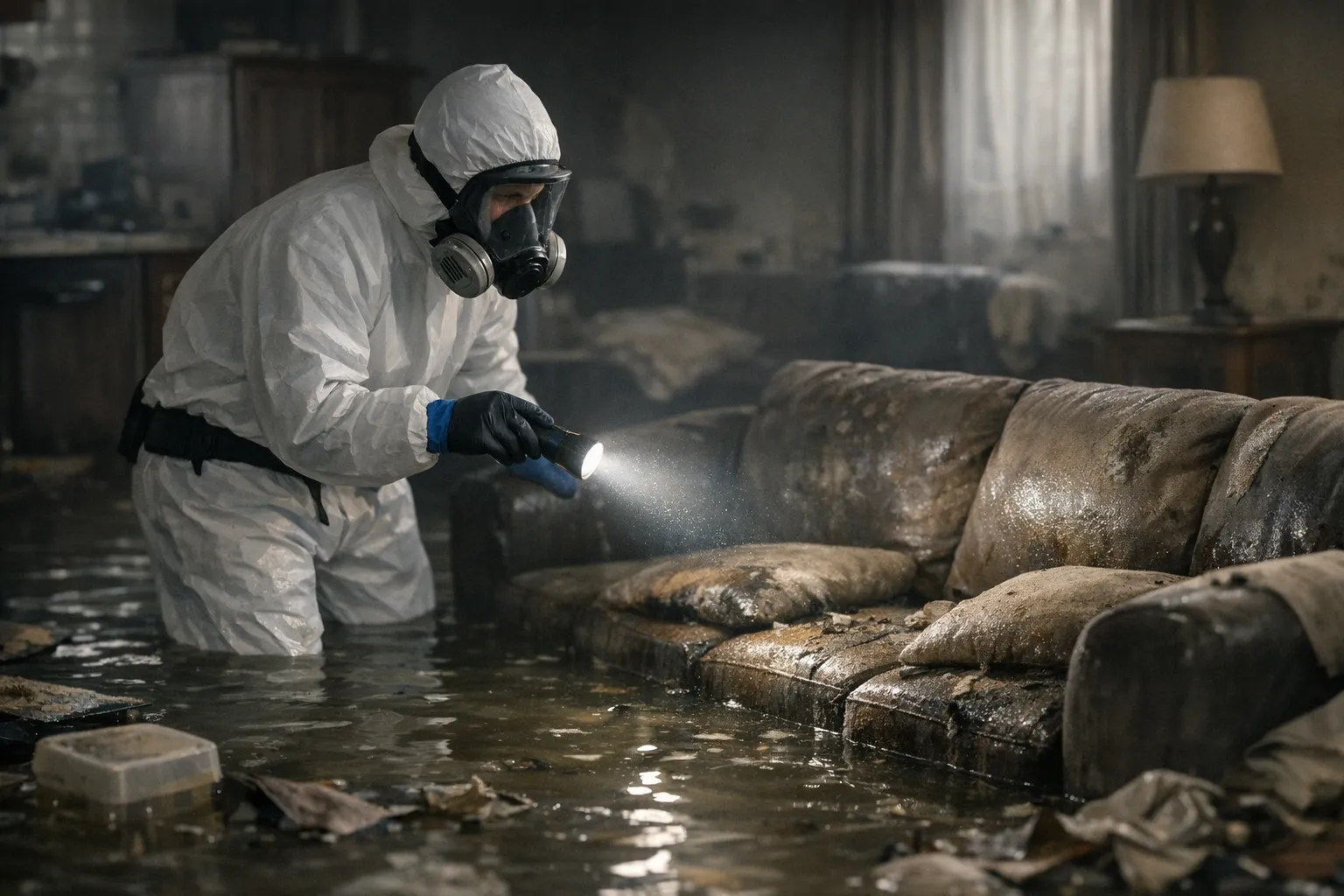
Proper personal protective equipment (PPE) is non-negotiable when dealing with flood contamination. Standard gear includes waterproof boots, gloves, eye protection, and N95 respirators at minimum.
For Category 3 water damage (grossly contaminated), full-face respirators and protective suits become necessary. Most homeowners lack this specialized equipment.
Skin contact with contaminated floodwater can cause serious infections. Cover all cuts and open wounds before any exposure.
Identifying Hazardous Materials After Spring Flood
Spring floods introduce multiple contamination categories that require different cleanup approaches. Visual inspection reveals only surface-level problems.
Biological contaminants include sewage, animal waste, and decomposing organic matter. These materials release harmful bacteria and viruses into the environment.
Chemical hazards come from household cleaners, automotive fluids, heating oil, and agricultural chemicals. Many remain invisible but pose serious health risks.
Common Spring Flood Contaminants
- Raw sewage from overwhelmed municipal systems
- Petroleum products from vehicles, heating systems, and storage tanks
- Agricultural chemicals including fertilizers and pesticides
- Industrial waste from nearby manufacturing facilities
- Asbestos fibers from damaged older building materials
- Lead particles from paint and plumbing systems
Hidden Contamination Zones
Contamination penetrates deep into building materials and systems. HVAC ducts spread airborne particles throughout structures.
Insulation within walls absorbs contaminated water and becomes a breeding ground for mold and bacteria. Standard cleaning cannot address these hidden areas.
Basement concrete and foundation materials remain porous. Contaminants seep into these surfaces and continue releasing harmful substances for months.
Professional Hazardous Material Cleanup Process
Certified restoration professionals follow strict protocols for hazardous material cleanup operations. The process begins with comprehensive contamination assessment.
Air quality testing identifies airborne contaminants and establishes baseline measurements. Surface sampling determines the extent of chemical and biological contamination.
Containment prevents cross-contamination to unaffected areas. Negative air pressure systems and physical barriers isolate the work zone.
Removal and Decontamination Steps
- Contaminated material removal – All porous materials that absorbed floodwater get removed and disposed of properly
- Surface decontamination – Non-porous surfaces undergo specialized cleaning with EPA-approved disinfectants
- Air filtration – HEPA filtration systems remove airborne particles and biological contaminants
- Antimicrobial application – Professional-grade treatments prevent future microbial growth
- Verification testing – Post-cleanup testing confirms contamination levels meet safety standards
Specialized Equipment Requirements
Professional cleanup requires industrial-grade equipment that homeowners cannot access. Truck-mounted extraction units remove contaminated water and debris.
HEPA air scrubbers filter microscopic particles from the air. These machines run continuously during cleanup operations.
Ozone generators and hydroxyl machines neutralize odors and organic contaminants at the molecular level.
Legal and Insurance Considerations
Improper hazardous material disposal violates federal and state environmental regulations. Contaminated materials require special handling and certified disposal facilities.
Insurance companies may deny claims if cleanup doesn’t meet industry standards. Professional documentation protects your coverage.
Some contamination types trigger mandatory reporting to environmental agencies. Lead and asbestos disturbance requires specific notifications.
Documentation Requirements
Maintain detailed records of all cleanup activities. Insurance adjusters need proof of professional remediation efforts.
Professional certifications and licenses demonstrate compliance with regulations. Verify your contractor holds appropriate credentials.
Chain of custody documentation tracks hazardous waste from removal through final disposal. This paperwork protects against future liability.
Health Risks and Long-term Exposure
Contaminated flood residue causes immediate and long-term health problems. Respiratory issues develop quickly from airborne particles.
Skin contact leads to infections, rashes, and chemical burns. Children and elderly individuals face higher risk levels.
Mold growth begins within 48 hours of water damage. Delayed cleanup creates permanent contamination issues that standard cleaning cannot resolve.
Signs of Contamination Exposure
- Respiratory symptoms including coughing, wheezing, and shortness of breath
- Skin irritation with rashes, burns, or persistent itching
- Gastrointestinal problems from accidental ingestion of contaminants
- Eye and throat irritation from airborne chemical exposure
- Persistent odors that indicate ongoing contamination
When to Call Professionals
Category 2 and 3 water damage always requires professional intervention. These contamination levels exceed safe DIY cleanup capabilities.
Any suspected chemical contamination needs professional assessment. Mixing incompatible chemicals during cleanup creates dangerous reactions.
Structural damage combined with contamination creates complex safety hazards. Professional restoration teams coordinate multiple specialists.
Choosing the Right Restoration Company
Look for IICRC (Institute of Inspection, Cleaning and Restoration Certification) credentials when selecting contractors. This certification demonstrates proper training.
Verify EPA lead-safe and asbestos handling certifications for older buildings. State environmental licenses show compliance capability.
Check insurance coverage and bonding status. Contamination cleanup involves significant liability risks.
Prevention and Preparedness
Spring flood preparation reduces contamination risks before disaster strikes. Elevate utilities and hazardous materials above potential flood levels.
Install backflow valves to prevent sewage backup during flooding. Regular maintenance keeps these systems functioning properly.
Create emergency contact lists including utility companies and certified restoration professionals. Response time affects contamination severity.
Emergency Supply Recommendations
- Personal protective equipment for initial assessment
- Waterproof containers for important documents
- Emergency communication devices when regular systems fail
- Professional contact information for immediate response
Spring flood contamination requires immediate professional response to protect health and property. Attempting DIY cleanup of hazardous materials puts families at serious risk.
Professional restoration companies have the training, equipment, and certifications needed for safe contamination cleanup. Their expertise prevents long-term health problems and ensures proper disposal.
Don’t risk your family’s safety with contaminated floodwater cleanup. Browse certified restoration professionals on https://restorationlocator.com now.