
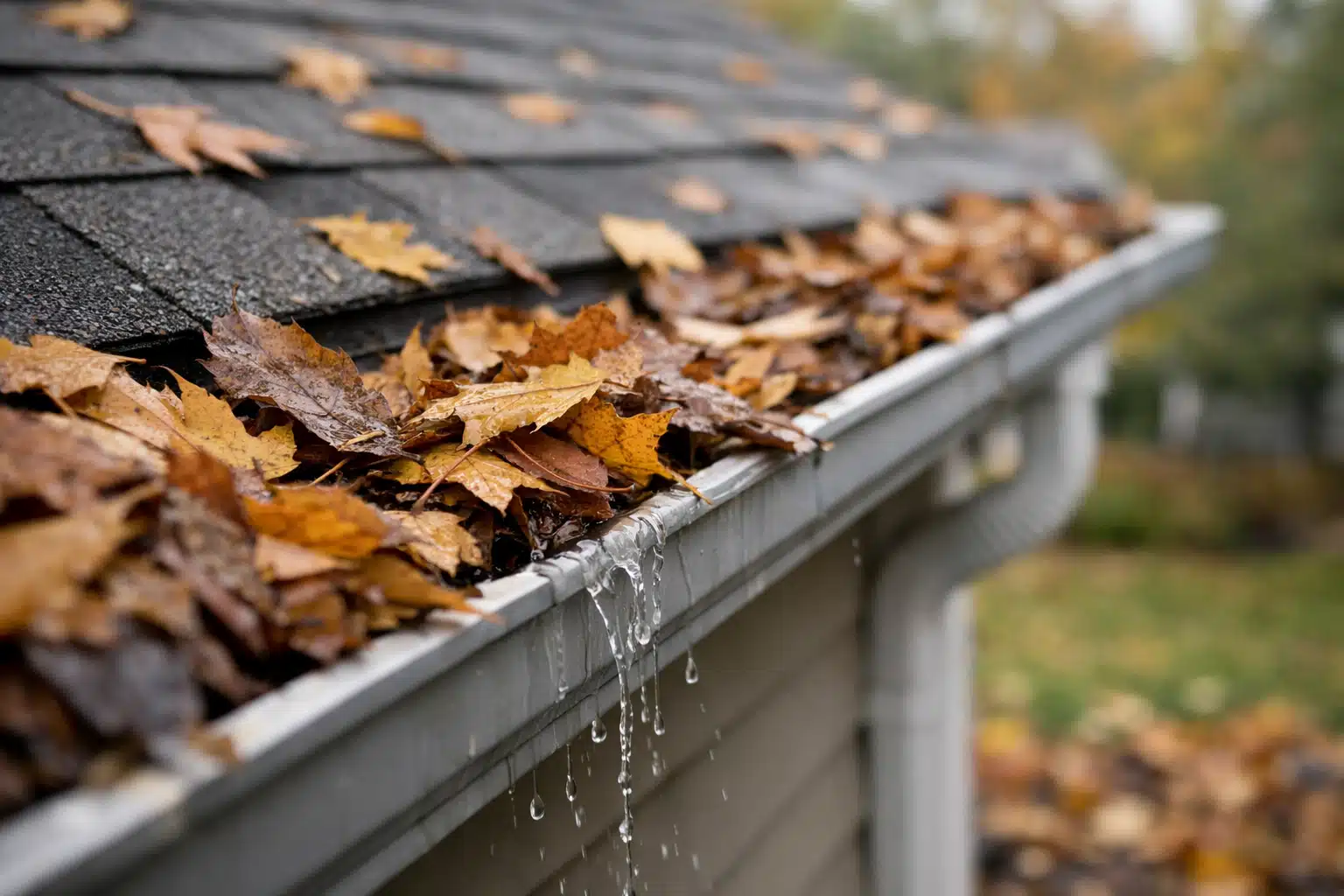
A single mature oak tree drops around 200,000 leaves each fall. When even a fraction of that lands in your gutters and storm drains, water stops moving where it should. Fallen leaves drainage failures cause some of the most preventable water damage homeowners face each year.
This post breaks down how leaf buildup wrecks drainage systems, which parts of your home take the hit first, and what to watch for before a backup turns into a flooded basement.
You will learn the specific mechanics of leaf clogs, seasonal timing that matters most, and when to call a restoration pro.
How Fallen Leaves Disrupt Home Drainage Systems
Fallen leaves drainage issues start when organic debris blocks the flow paths water depends on. Dry leaves seem harmless. Wet, packed leaves behave like cement.
Once water mixes with leaf matter, the pile compresses into a dense mat. That mat traps more debris behind it. A gutter that drained fine in September can overflow completely by late October.
The Three Stages of a Leaf Clog
- Accumulation — Loose leaves collect in gutters, drain grates, and downspout openings.
- Compaction — Rain soaks the pile, and its own weight presses it into a water-resistant plug.
- Overflow — Water spills over gutter edges or backs up through drains, hitting siding, foundations, and basements.
Most homeowners catch the problem at stage three, after damage has started. Catching it at stage one is cheap. Stage three gets expensive fast.
Where Autumn Drainage Issues Hit First
Autumn drainage issues concentrate in four spots. Each has a different failure pattern and a different repair cost.
Gutters and Downspouts
Gutters fill first because leaves land there directly. A clogged downspout elbow is the most common blockage point. Water then sheets down exterior walls instead of channeling away.
Over weeks, that water finds gaps in siding and soffits. Rot in fascia boards usually follows.
Foundation and French Drains
When gutters overflow, water pools against the foundation. Soil near the base becomes saturated. This raises hydrostatic pressure against basement walls.
French drains buried near the foundation can clog too, especially if their surface grates sit under leaf-dropping trees. A blocked French drain pushes groundwater back toward the house.
Storm Drains and Street Grates
Curbside storm grates clog with leaf piles raked to the street. Standing water then flows back toward low driveways and walkout basements.
Roof Valleys
Leaves collect in roof valleys and behind chimneys. Trapped moisture speeds shingle deterioration and can force water under the roofline.
The Hidden Chain Reaction: From Clog to Water Damage
Leaf clogs rarely cause damage on their own. They set up a chain reaction that finishes with the next heavy rain or freeze.
Here is a pattern restoration crews see every November:
- Packed leaves block a downspout during a rainy week.
- Overflow saturates the soil at one corner of the home.
- A cold snap freezes trapped gutter water, prying the gutter from the fascia.
- Meltwater pours directly down the wall and into the sill plate.
- A musty basement smell appears within days, signaling mold growth.
By the time the smell shows up, water has been moving inside the wall cavity for a while. That is a mold remediation job, not a gutter cleaning.
Seasonal Timing: Why Late Autumn Is the Danger Window
The worst fallen leaves drainage failures cluster in a narrow window. It runs from peak leaf drop to the first hard freeze.
During this stretch, three conditions overlap:
- Maximum leaf volume hits gutters and drains at once.
- Fall rains arrive, compacting leaves and testing drainage capacity.
- Early freezes lock blockages in place and add ice weight.
A gutter cleaning in early September misses most of the leaf fall. One done after the last leaves drop, but before the first freeze, protects you across the whole window.
Warning Signs Your Drainage Is Already Failing
Watch for signals that leaf buildup has crossed from nuisance to threat. Early detection keeps a cleanup from becoming a restoration claim.
- Water sheeting over gutter edges during rain instead of running to downspouts.
- Stains or streaks on exterior walls below the gutter line.
- Pooling water near the foundation that lingers after rain stops.
- Damp spots or efflorescence on basement walls.
- Sagging gutters pulling away from the roofline under debris weight.
- Gurgling sounds from downspouts or floor drains.
Two or more of these together means act now. Water damage compounds daily once it reaches interior structures.
Preventing Leaf-Related Drainage Damage
Prevention costs far less than restoration. A few targeted habits during fall shut down most leaf drainage problems.
Practical Steps That Work
- Clean gutters twice during fall — once mid-season and once after the last leaves drop.
- Extend downspouts at least four feet from the foundation.
- Clear storm grates near your property after wind storms.
- Rake leaves away from basement window wells and foundation lines.
- Install gutter guards if your home sits under heavy tree cover.
- Grade soil so it slopes away from the foundation.
Gutter guards reduce debris but do not remove the need for inspection. Fine leaf grit still works through most screens.
When to Call a Restoration Professional
Some situations move past DIY cleanup. Interior water, mold odor, or a flooded basement needs trained help fast.
Call a restoration provider if you find any of the following:
- Standing water in a basement or crawl space.
- A musty smell that does not clear after drying.
- Visible mold on walls, framing, or insulation.
- Warped flooring or swollen baseboards.
- Water staining that spreads across ceilings or walls.
Response speed matters. Mold can start colonizing damp materials within 24 to 48 hours.
Choosing the Right Provider on Restoration Locator
Restoration Locator helps you match a provider to your exact problem. Use the directory to find crews equipped for water extraction and mold remediation.
- Sort by location to find teams that respond quickly in your area.
- Filter listings for water damage and mold remediation specialties.
- Check reviews from homeowners who dealt with similar autumn drainage issues.
- Compare response times before you commit.
Having a shortlist ready before fall means you act fast when water appears.
Key Takeaways
Fallen leaves drainage failures build quietly, then cause fast damage once rain and freezing weather arrive. Clean gutters after peak leaf drop, extend downspouts, and watch for overflow and foundation pooling. When water reaches the interior, quick professional response limits mold and structural harm.
Build your provider shortlist now. Browse Disaster Cleanup & Restoration listings on https://restorationlocator.com and start your search today.