
Why Summer Raises Your Home’s Fire Risk
Home fires spike between June and August, and the causes shift with the season. Grilling accidents peak in July. Wildfire smoke and dry vegetation turn suburban yards into fuel.
This post covers summer fire prevention for real situations: backyard cookouts, overloaded AC circuits, fireworks near dry lawns, and spontaneous combustion in oily rags. You will get specific steps, not vague warnings.
Every point below reflects patterns restoration crews see after summer fires. Small oversights cause most of them.
Grilling: The Most Common Summer Fire Cause
Grills cause an average of 8,800 home fires per year, and July is the worst month. The problem is rarely the grill itself. It is placement and residue.
Set Up Your Grill Correctly
- Keep the grill 10 feet from siding, railings, and low branches. A vinyl-sided wall behind a gas grill can ignite from radiant heat alone.
- Clean grease buildup after every 3-4 uses. Grease trays that overflow drip onto burners and flare up fast.
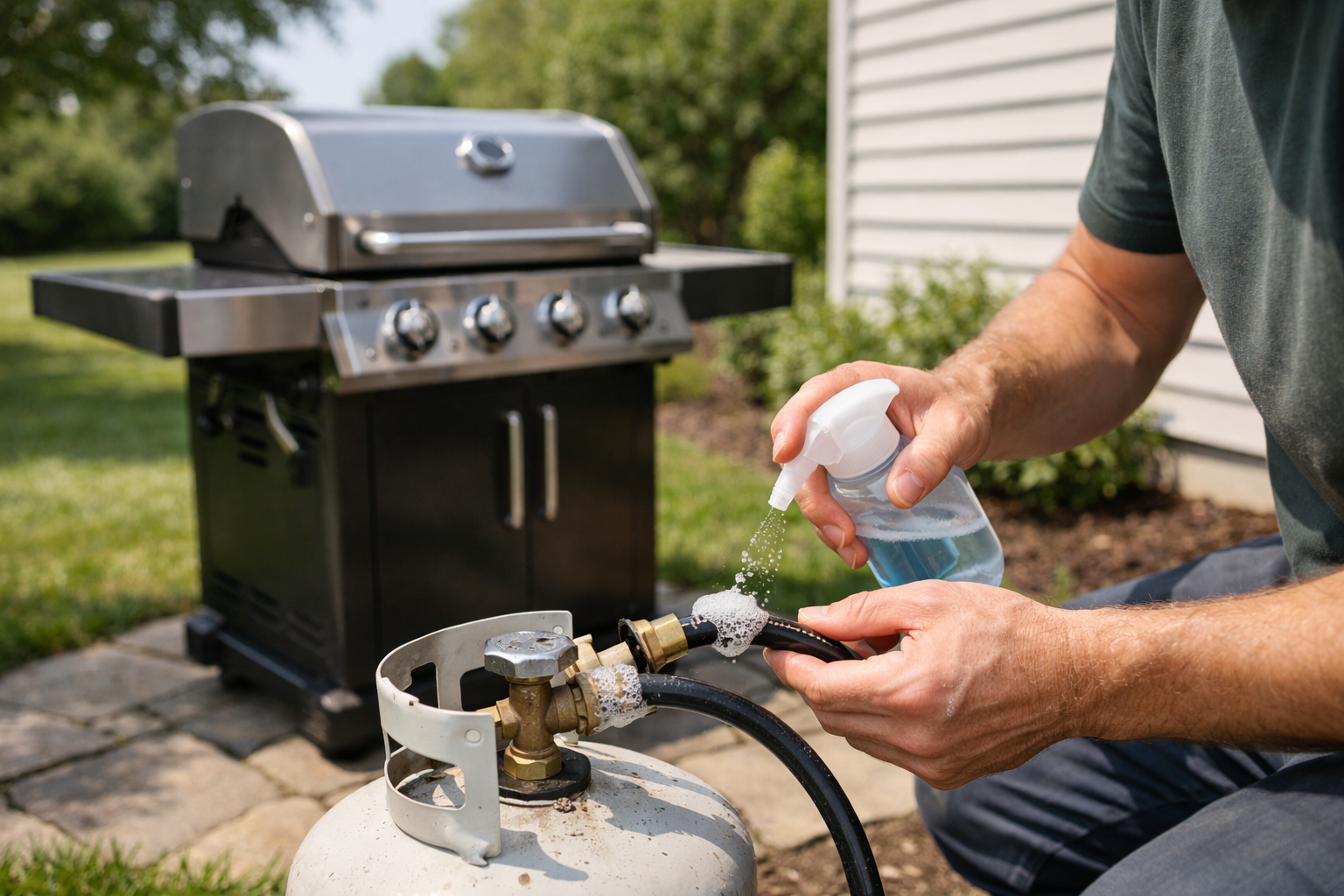
- Check propane hose connections with soapy water. Bubbles mean a leak. Fix it before lighting.
- Never store propane tanks indoors or in a hot garage. Heat expansion raises tank pressure.
Charcoal grills bring a second risk: disposal. Hot coals dumped in a plastic bin or against a fence have started fires hours after a party ended.
Charcoal Ash Disposal
Let ashes cool for at least 48 hours before disposal. When unsure, soak them with water in a metal container. Store that container away from the house.
Dry Vegetation and Defensible Space
Defensible space is the buffer zone between your home and flammable landscaping. It slows or stops fire from reaching your structure.
Summer heat dries out grass, mulch, and brush. Dead plant material near your foundation acts like kindling.
Create a Zone Around Your Home
- Clear dead leaves and pine needles from gutters and roof valleys. Embers land here first during a wildfire.
- Trim tree branches at least 10 feet from your chimney. Overhanging limbs carry flame to the roofline.
- Replace bark mulch within 5 feet of the house with gravel or stone. Shredded bark ignites from a single ember.
- Mow tall grass and cut weeds low. Short green growth burns slower than dry stalks.
People in wildfire-prone counties should check local defensible-space codes. Some areas require a 100-foot cleared zone.
Electrical Strain from Air Conditioning
Summer electrical fires climb because cooling systems run hard for months. Older wiring struggles under constant AC load.
Signs Your System Is Overloaded
- Breakers that trip when the AC and another appliance run together. This means the circuit is undersized.
- Warm or discolored outlets. Heat at a plug points to loose wiring or a failing connection.
- A burning-plastic smell near vents or the electrical panel. Shut off power and call an electrician.
Window AC units draw heavy current. Plug them directly into a wall outlet, never an extension cord or power strip. Extension cords are not rated for sustained high draw and overheat.
Dryer Vents and Summer Laundry Loads
Clothes dryers cause around 13,800 home fires annually. Lint is the fuel, and summer beach towels and bedding produce a lot of it.
A clogged vent traps heat and lint against the heating element. Take these steps before peak season:
- Clean the lint screen before every load. A film of fabric softener residue reduces airflow, so wash the screen monthly.
- Clear the exterior vent duct once a year. Feel for weak airflow at the outdoor flap while the dryer runs.
- Replace foil accordion ducts with rigid metal. Ribbed foil traps lint and sags.
Fireworks and Open Flame
Fireworks send thousands to emergency rooms each July, and they start structure and brush fires. Dry summer conditions make the danger worse.
Reduce Fireworks Fire Risk
- Keep a bucket of water and a charged hose nearby. Spent shells stay hot and can reignite dry grass.
- Never relight a dud. Wait 20 minutes, then soak it in water.
- Launch away from dry lawns, wooden decks, and roofs. Falling embers travel farther than people expect.
Citronella candles, tiki torches, and fire pits add flame near seating and fabric. Place torches away from umbrellas and cushions.
The Overlooked Hazard: Spontaneous Combustion
Oily rags can ignite on their own without any spark. This is a summer favorite for deck staining and furniture refinishing.
Rags soaked in linseed oil, stain, or teak oil generate heat as they dry. Piled in a garage during a heat wave, they reach ignition temperature.
Store used oily rags flat to dry outdoors, or submerge them in a sealed metal can of water. Never bunch them in a trash bag or bucket.
Smoke Alarms and an Exit Plan
Working smoke alarms cut the risk of dying in a home fire nearly in half. Test yours at the start of summer.
- Test every alarm and replace batteries. Alarms over 10 years old should be replaced entirely.
- Install alarms in each bedroom and on every level. Fires that start in a garage need early warning inside.
- Practice a two-exit escape plan with children. Summer means kids are home more, sometimes alone.
If Fire Damage Happens Anyway
Even careful homeowners face fires. Fast cleanup limits smoke, soot, and water damage from firefighting.
Restoration Locator lets you find qualified fire and smoke damage crews by location. Use the directory to compare providers and act quickly.
How to Use the Directory
- Filter listings by your city or ZIP code to find crews that respond fast.
- Check reviews on each provider to see how past customers rated response time and results.
- Sort by location to shorten the gap between the fire and remediation.
Soot becomes acidic within days and etches metal, glass, and paint. Reaching a crew early protects surfaces that would otherwise need replacement.
Your Summer Fire Prevention Checklist
Run this list once before summer starts and again in midseason:
- Move the grill 10 feet from the house and clean grease trays.
- Clear gutters, roof valleys, and mulch beds of dry debris.
- Test AC circuits and remove extension cords from window units.
- Clean the dryer vent and lint screen.
- Store oily rags in water inside a metal can.
- Test every smoke alarm and review your exit plan.
Each item takes minutes. Together they cover the situations that cause most warm-weather home fires.
Final Takeaways
Summer fire prevention comes down to placement, cleanup, and electrical caution during peak heat. Grills, dry brush, strained AC circuits, and oily rags cause the fires crews see most. A short seasonal checklist protects your home safety better than any single device.
If a fire does strike, quick action limits soot and water damage. Browse Disaster Cleanup & Restoration listings now at https://restorationlocator.com and find a crew near you.