
A heatwave does not stop at making you uncomfortable. It bakes your roof shingles, overloads your electrical panel, and cracks the caulking around your windows. Extreme heat preparation means protecting the physical systems that keep your house standing, not just staying cool inside it.
This post walks you room by room and system by system. You will learn which parts of your home fail first during triple-digit temperatures and what to fix before the next heat advisory hits.
Why Extreme Heat Preparation Starts With Your Infrastructure
Extreme heat preparation is the practice of reinforcing your home’s mechanical, structural, and utility systems against sustained high temperatures. Most homeowners focus on personal comfort. The damage, though, happens inside walls, on rooftops, and underground.
During a 2023 Texas heat event, cooling systems ran 18 hours a day for weeks. Compressors that skipped a spring tune-up were the first to quit. The failure pattern is predictable, which means it is preventable.
Protect Your Air Conditioning System First
Your AC compressor works hardest during a heatwave and fails at the worst time. A unit running near capacity for days will overheat if airflow or refrigerant is compromised.
Steps to prepare your cooling system
- Replace the air filter before the season starts, then again mid-summer. A clogged filter forces the blower motor to strain.
- Clear two feet of space around the outdoor condenser. Trim shrubs and rake away leaves that trap heat.
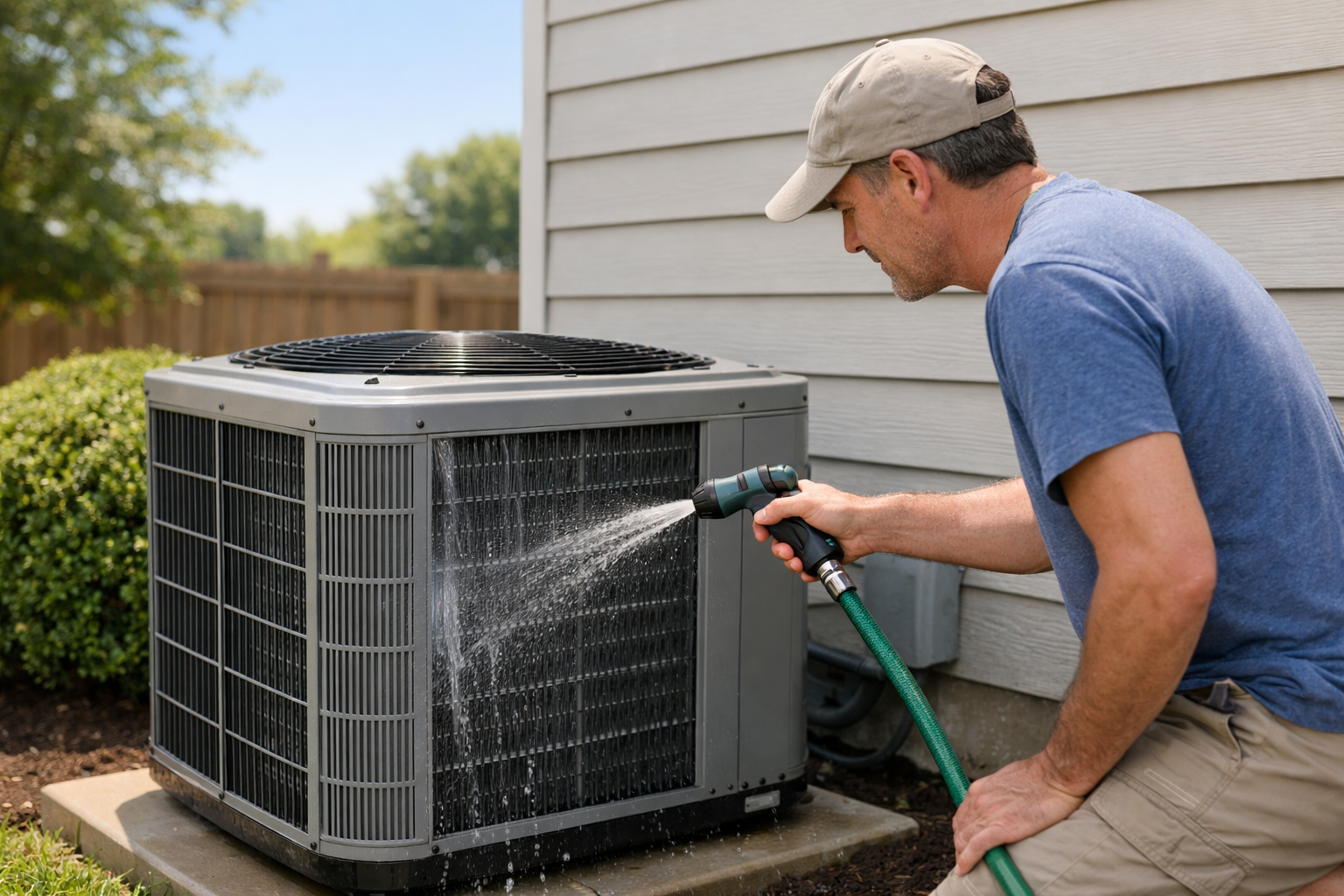
- Rinse the condenser coils with a garden hose on low pressure. Dust-caked fins cannot release heat.
- Check the refrigerant charge with a licensed HVAC technician. Low refrigerant makes the compressor overheat.
- Test the thermostat a week early. A faulty sensor can cause short-cycling that burns out the motor.
Set your thermostat no lower than 78°F during peak hours. Asking a unit to hit 68°F when it is 108°F outside guarantees an early breakdown.
Guard Your Roof and Attic Against Heat Load
Your attic can reach 150°F during a heatwave, and that heat degrades your roof from the inside. Trapped hot air warps decking, cracks shingles, and cooks your insulation.
Attic ventilation matters more than most people think
Ridge vents and soffit vents create airflow that pulls heat out. Blocked soffit vents are a common defect. Check that insulation has not been pushed over them.
- Inspect shingles for curling or brittleness, which signals heat fatigue.
- Add attic insulation to R-38 or higher in hot climates to slow heat transfer.
- Install a solar attic fan if passive venting is not clearing the heat.
- Seal attic bypasses where hot air leaks into living space.
A cooler attic reduces AC strain and extends shingle life by years. This is summer home protection working at the structural level.
Prevent Plumbing and Water Damage in the Heat
Heat stresses plumbing in ways homeowners rarely expect. Slab foundations shift as soil dries and contracts, and that movement cracks buried pipes.
What to watch for
PVC and PEX lines expand in extreme heat, loosening fittings over time. Water heaters in unconditioned garages overheat and trip the pressure relief valve. A leaking valve floods the floor while you are away.
- Inspect exposed pipe connections for drips after the first hot week.
- Insulate hot water lines in the garage to reduce heat gain.
- Water your foundation evenly with a soaker hose during drought to limit soil shrinkage.
- Test the sump pump if summer storms follow the heat.
Undetected leaks in hot months breed mold fast. If you find water staining walls or floors, a restoration specialist should assess it before it spreads.
Shield Windows, Seals, and Exterior Materials
UV radiation and heat break down the materials sealing your home’s envelope. Cracked caulk lets conditioned air escape and lets pests in.
- Re-caulk windows and doors where old sealant has hardened or split.
- Add reflective window film to south- and west-facing glass to cut solar heat gain.
- Inspect exterior paint and siding for blistering, which traps moisture underneath.
- Check weatherstripping on doors for gaps that leak cool air.
Reflective film can lower interior surface temperatures by 15°F near sunny windows. That reduces the load your AC carries all day.
Protect Your Electrical System From Overload
Electrical panels run hot when every appliance competes with the AC. Loose breaker connections arc and overheat under sustained load.
Signs of trouble include a warm panel cover, flickering lights, and a burning smell near outlets. Any of these warrants an electrician before a fire risk grows. Rolling blackouts during heatwaves also spike surge risk when power returns.
- Install whole-home surge protection ahead of grid instability.
- Avoid running major appliances during peak afternoon hours.
- Keep a portable power station charged for medical or refrigeration needs.
Build a Heatwave Response Plan for Your Home
Even a prepared home can suffer failures during record heat. Knowing your response steps limits damage and cost.
- Identify your main water shutoff so you can stop a burst pipe fast.
- Locate your electrical panel and label the breakers clearly.
- Keep a contact list of HVAC, plumbing, and restoration providers.
- Document your home with photos for insurance claims.
When heat causes a burst pipe, AC condensate flood, or storm damage, fast cleanup prevents mold and rot. Restoration Locator lets you find qualified providers before an emergency forces a rushed choice.
How to Find Heat-Damage Restoration Help on Restoration Locator
Restoration Locator is a directory connecting homeowners with disaster cleanup and restoration providers. Use it to line up support before and after a heat event.
Use these filters to narrow your search:
- Sort by location to find providers who serve your ZIP code.
- Filter by specialty such as water damage or mold remediation.
- Check reviews to compare response times during past emergencies.
- Compare listings side by side before you commit.
Key Takeaways
Extreme heat preparation protects the systems inside your home, not just your comfort. Service your AC, ventilate your attic, inspect plumbing, and seal your envelope before the next heatwave arrives. A response plan and a vetted provider list keep small failures from becoming costly disasters.
Browse Disaster Cleanup & Restoration listings now at https://restorationlocator.com and find heat-damage help near you.