
Spring renovations expose your home to water damage risks that most homeowners never anticipate. Between disrupted plumbing systems, opened roofing sections, and unpredictable spring weather, renovation projects create multiple pathways for water intrusion.
The timing compounds these risks. Spring brings heavy rains, rapid snowmelt, and temperature fluctuations that can overwhelm compromised building systems during construction.
This guide reveals the specific water damage vulnerabilities that spring renovations create and provides concrete steps to protect your home throughout the construction process.
Water Entry Points Created During Spring Renovations
Renovation work creates temporary vulnerabilities in your home’s water-resistant barriers. Understanding these entry points helps you prioritize protection efforts.
Roof and Exterior Openings
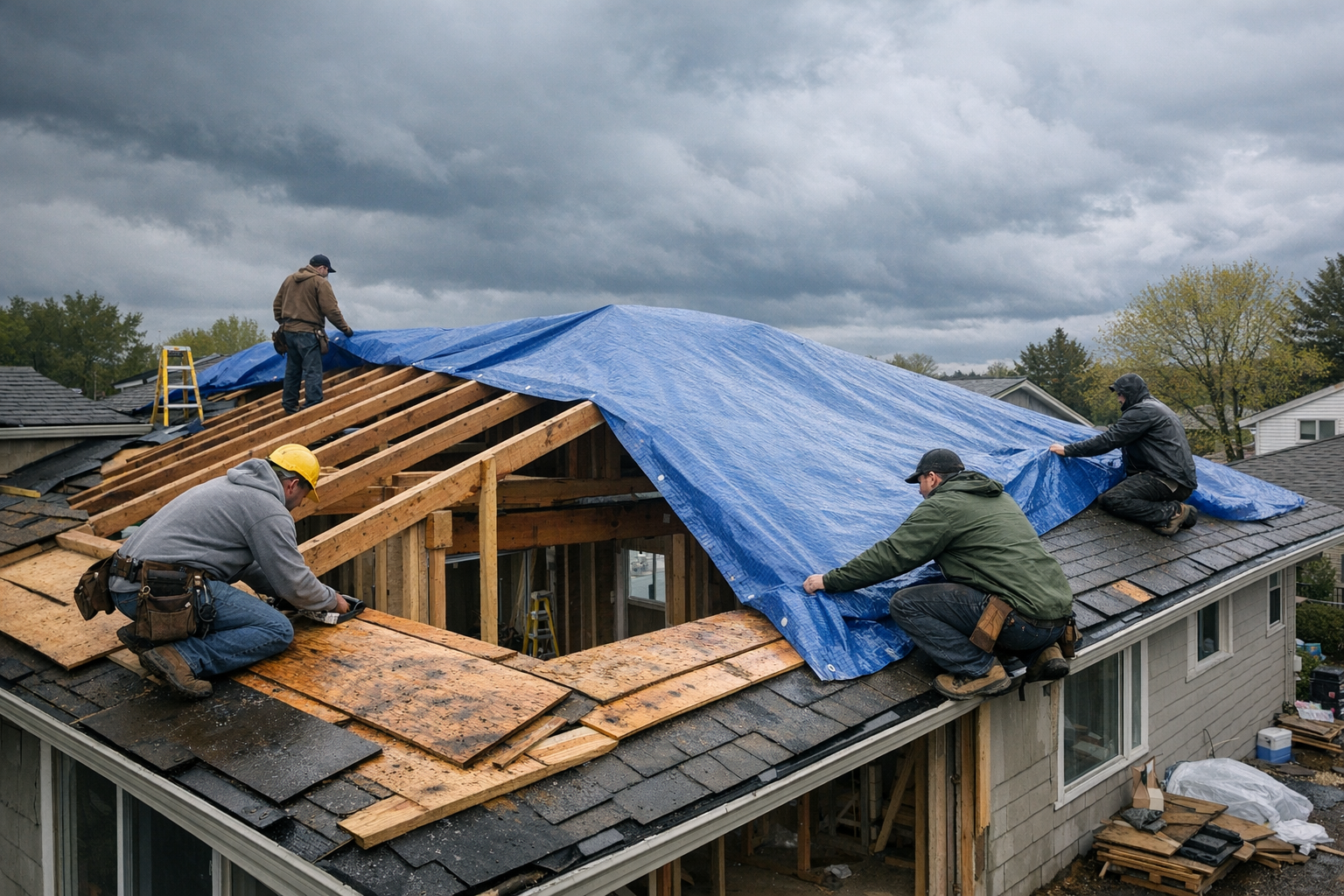
Roof work exposes the largest water entry risk during renovations. Removing shingles, cutting new openings, or installing skylights eliminates your primary weather barrier.
Spring weather patterns make timing critical. A sunny morning can turn into a severe thunderstorm by afternoon, flooding exposed roof decking within minutes.
Window and door replacements create similar vulnerabilities. The gap between removing old units and properly sealing new installations can last several hours or even days.
Disrupted Plumbing Systems
Bathroom and kitchen renovations require shutting off water supplies and disconnecting fixtures. These disruptions stress aging pipe connections and create new leak points.
Older homes face higher risks. Pipes installed 20+ years ago may fail when water pressure changes during renovation work.
New plumbing installations also present risks before final connections are completed and tested under full pressure.
Pre-Renovation Water Damage Prevention Steps
Taking protective measures before construction begins prevents most water damage incidents during spring renovations.
Document Existing Conditions
Photograph all areas that will remain untouched by renovation work. This documentation proves when water damage occurred if insurance claims become necessary.
Check for existing moisture problems in basements, crawl spaces, and attics. Address these issues before renovation work begins.
Test main water shut-off valves to confirm they work properly. Many homeowners discover faulty shut-offs during renovation emergencies.
Weather Monitoring Setup
Install a weather monitoring app with hourly precipitation forecasts. Spring weather changes rapidly, and contractors need advance warning of approaching storms.
Create a weather response plan with your contractor that specifies exactly when to halt exterior work and implement emergency coverings.
- Monitor 48-hour forecasts daily during exterior work phases
- Establish wind speed thresholds for stopping roofing work
- Pre-position tarps and securing materials on-site
- Identify indoor work tasks for weather delays
Daily Protection Protocols During Construction
Consistent daily practices prevent water intrusion during active construction phases of spring renovations.
End-of-Day Closure Procedures
Never leave exterior openings unprotected overnight during spring renovation projects. Weather conditions can deteriorate rapidly after work crews leave.
Require contractors to install temporary weather barriers every evening. Plastic sheeting secured with furring strips provides basic protection for most openings.
Check all protective coverings personally before contractors leave each day. A loose corner or insufficient fastening can allow water entry during overnight storms.
Interior Protection Measures
Cover finished flooring with protective sheeting in rooms adjacent to renovation areas. Water can travel surprising distances through wall cavities and floor systems.
Move valuable items away from exterior walls where renovation work is occurring. Even small leaks can damage furniture, electronics, and personal belongings.
Install temporary ventilation in enclosed spaces where new plumbing or electrical work creates humidity from curing materials.
Emergency Response Planning for Spring Renovations
Having response procedures ready before problems occur minimizes water damage when spring weather overwhelms renovation site protection.
Water Intrusion Response Kit
Assemble emergency supplies before renovation work begins. Store these materials in an easily accessible location on-site.
- Heavy-duty plastic sheeting (6-mil thickness minimum)
- Furring strips and construction adhesive for securing coverings
- Wet/dry vacuum with extension cords
- Absorbent materials like towels and tarps
- Portable fans for drying wet areas
- Moisture meters to assess water penetration depth
Contractor Communication Protocols
Establish 24-hour contact procedures with your renovation contractor for weather emergencies. Spring storms often occur during off-hours when crews are unavailable.
Get contact information for key subcontractors, particularly roofers and plumbers who handle the highest-risk water damage trades.
Discuss insurance notification requirements with your contractor. Some policies require immediate reporting of water intrusion incidents during construction.
Post-Renovation Monitoring and Prevention
Water damage risks continue after spring renovations are complete until all building systems are fully tested and sealed.
System Testing Procedures
Test all new plumbing connections under full pressure for at least 24 hours before closing up wall cavities. Small leaks become major problems once hidden behind finished surfaces.
Inspect roof work during the first significant rainfall after completion. Look for signs of water penetration around new installations or repaired areas.
Check basement and crawl space areas for unexpected moisture after the first spring storm following exterior renovations.
Long-Term Monitoring Strategy
Install moisture sensors in areas where renovation work occurred, particularly near new plumbing installations and roof modifications.
Schedule follow-up inspections at 30, 90, and 180 days after completion to catch settling-related leaks before they cause extensive damage.
Keep detailed records of all renovation work, including photos of installations before they’re covered up, for future maintenance reference.
When to Call Professional Water Damage Restoration Services
Some water intrusion incidents during spring renovations require immediate professional intervention to prevent long-term damage.
Contact restoration specialists within 24 hours if water penetrates insulation, drywall, or subflooring materials. These materials trap moisture and promote mold growth without proper drying.
Professional help becomes necessary when water affects electrical systems, HVAC components, or structural lumber in wall cavities.
Use RestorationLocator.com to find certified water damage restoration contractors in your area. Filter listings by location and check customer reviews to identify experienced professionals who understand renovation-related water damage scenarios.
Look for restoration companies with specific experience in construction site water damage. These situations require different approaches than typical household flooding incidents.
Conclusion
Protecting your home from water damage during spring renovations requires proactive planning, daily vigilance, and rapid response when problems occur. The combination of construction vulnerabilities and unpredictable spring weather creates significant risks that careful homeowners can manage effectively.
Focus on preventing water entry through exposed openings, maintaining protective barriers throughout the project, and monitoring vulnerable areas after completion.
Browse water damage restoration specialists on RestorationLocator.com to connect with experienced professionals in your area before renovation work begins.