
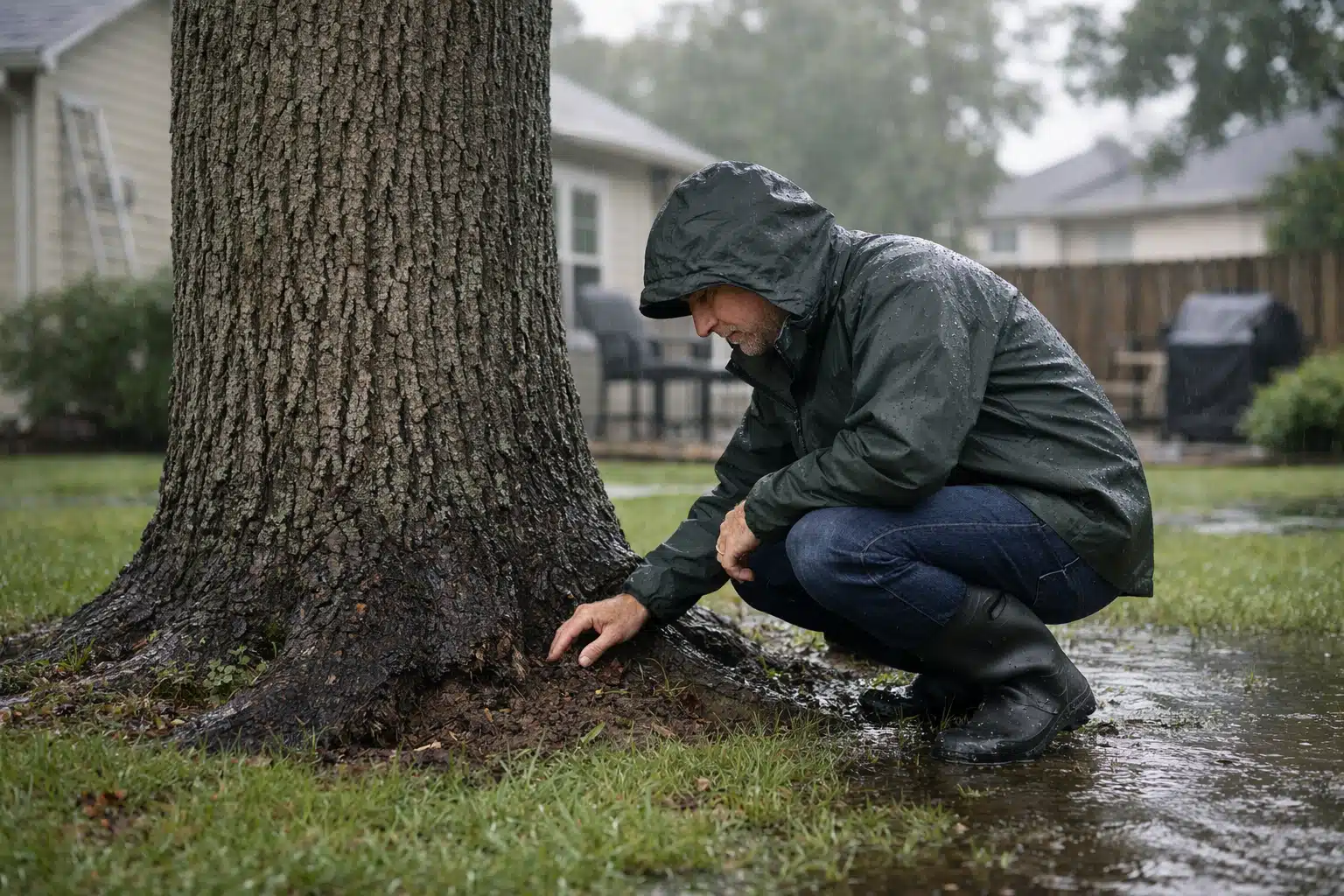
Late summer hurricanes hit harder than early-season storms, and the reason is under your feet. By August and September, months of rain have saturated the ground, loosened tree roots, and filled drainage systems to capacity. Strong hurricane home protection during this window means preparing for a different set of failures than a June storm would bring.
This post covers the specific risks of late-season storms, the steps that matter most for August through October, and how to line up cleanup help before the water rises.
Why Late Summer Hurricanes Damage Homes Differently
Late summer storms arrive when the Atlantic reaches peak warmth. Warmer water feeds stronger, wetter systems that intensify fast.
The National Hurricane Center marks September 10 as the statistical peak of Atlantic hurricane activity. Storms near this date carry more moisture and hit ground that cannot absorb it.
Saturated Soil Turns Trees Into Projectiles
A healthy oak that survived a dry June gust can topple in a September storm. Waterlogged soil loses its grip on roots.
Uprooted trees cause a large share of structural roof damage in late-season storms. The tree does not need to be dead—just standing in soft, wet ground.
Overwhelmed Drainage Multiplies Flood Risk
Storm drains and retention ponds fill up over a wet summer. A late storm dumps rain onto systems with no spare capacity.
Water that would drain in July backs up into yards and basements in September. This is where summer storm defense shifts from wind protection to water management.
Hurricane Home Protection Steps for Late Season
Effective preparation follows an order. Start with the risks that late summer amplifies, then move to standard storm prep.
- Inspect trees for lean and root heave. Look for soil cracking or lifting around the base. A visible tilt after rain signals a fall risk.
- Clear every drainage path. Gutters, downspouts, French drains, and yard swales all clog with late-summer leaf fall and debris.
- Test your sump pump under load. Pour water into the pit and confirm it cycles. Add a battery backup if you rely on grid power.
- Seal foundation cracks and window wells. Saturated ground pushes water sideways into basements, not just down.
- Photograph your home inside and out. Timestamped images speed insurance claims after damage.
Protect Openings Before Wind Arrives
Windows and garage doors fail first under pressure. A breach lets wind inside, and interior pressure lifts roofs off.
- Install plywood or panels over windows rated for your wind zone.
- Brace the garage door with a kit or vertical supports—it is the largest opening on most homes.
- Move vehicles away from trees and low spots that flood.
Prepare for Extended Power Loss
Late-season storms knock out power across wide areas because grids are already stressed by summer cooling demand. Repair crews spread thin.
Keep coolers, a generator with fuel, and phone battery packs ready. Run generators outdoors only, at least 20 feet from windows.
Where Water Enters First in a Late Summer Storm
Water finds the weak points that a dry season hides. Knowing where to look saves your interior.
Basement and Crawl Space
Hydrostatic pressure rises when soil is fully saturated. Water seeps through cove joints where the wall meets the floor.
Move stored items off the floor onto shelving. A single foot of basement water ruins furnaces, water heaters, and electrical panels.
Roof Valleys and Flashing
Wind-driven rain enters through failed flashing around chimneys and vents. Summer sun degrades sealant, and September wind exploits the gap.
Check attic corners for existing stains after any hard rain. A small stain now becomes a collapsed ceiling in a hurricane.
How to Line Up Restoration Help Before the Storm
Restoration companies book out fast once a named storm forms. The homeowners who recover quickest identify a provider in advance.
Use https://restorationlocator.com to find water and storm damage specialists near you before you need one.
Filter and Compare Providers
- Sort by location to find crews that can reach you fast after roads clear.
- Check reviews for storm-response history, not just routine repairs.
- Filter listings for water extraction and structural drying capability.
- Note 24/7 availability, since late-season storms make landfall at any hour.
Questions to Ask a Provider Now
Contact two or three companies before the season peaks. Ask how they prioritize calls during a mass-damage event.
- Do you carry commercial-grade dehumidifiers and air movers in volume?
- How fast can a crew arrive after a regional storm?
- Do you bill insurance directly?
After the Storm: Act Within 48 Hours
Mold begins growing in wet drywall within 24 to 48 hours. Fast water removal decides whether you replace a wall or dry it.
Document damage with photos before you remove anything. Then start extraction and call your pre-selected restoration crew.
Priority Order for Cleanup
- Cut power to flooded areas at the breaker before entering.
- Remove standing water with pumps or wet vacuums.
- Pull wet carpet and padding—padding rarely dries in time.
- Run dehumidifiers and open wall cavities to circulate air.
- Discard porous items soaked by contaminated floodwater.
Key Takeaways
Late summer hurricanes threaten your home mostly through saturated ground and overwhelmed drainage, not wind alone. Strong hurricane home protection in August and September means clearing water paths, checking trees for root heave, and securing openings early.
Line up a restoration provider before the peak, then act within 48 hours if water enters. Browse Disaster Cleanup & Restoration listings now at https://restorationlocator.com and find a crew ready before the next storm forms.