
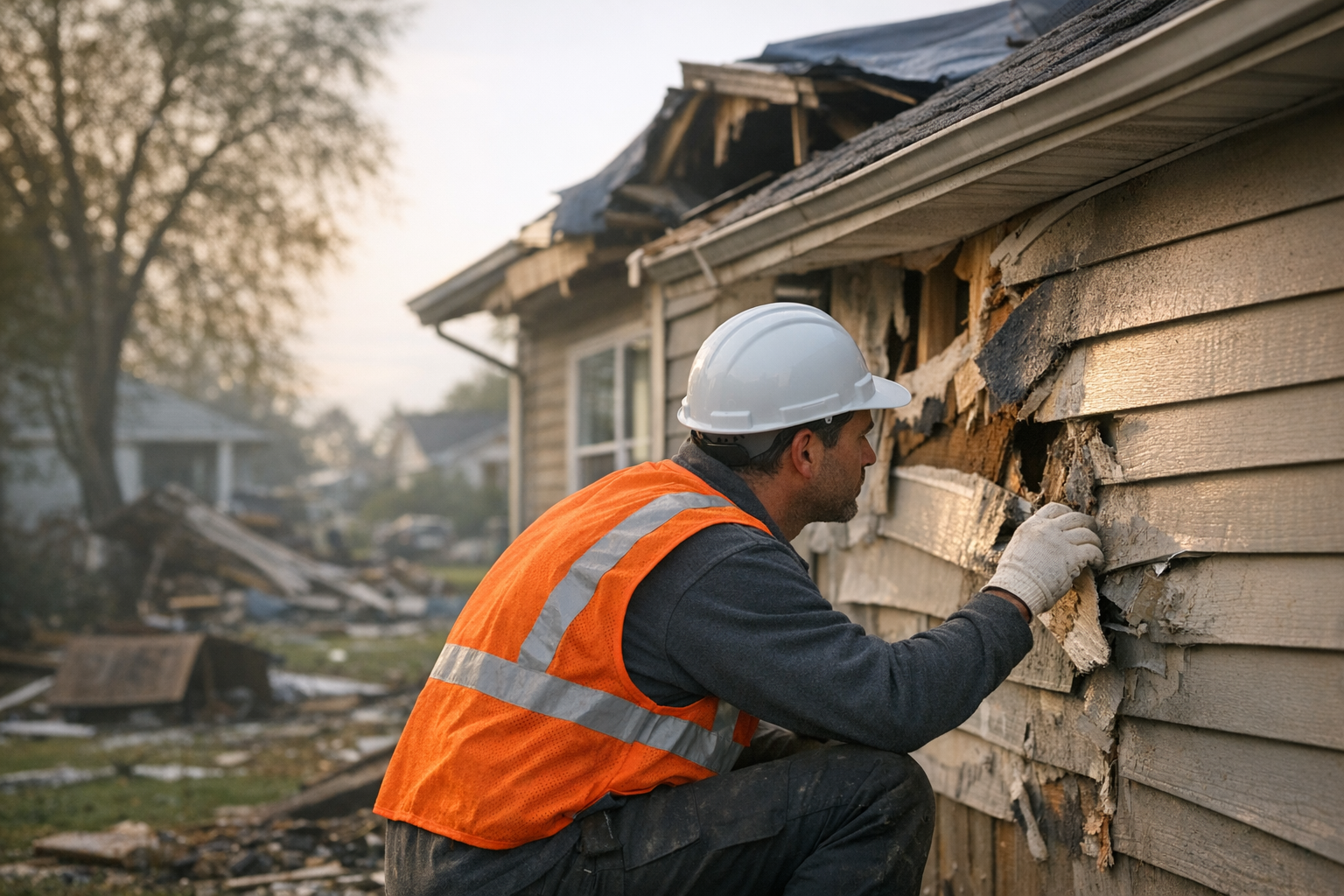
After a natural disaster strikes, the overwhelming nature of damage can leave property owners paralyzed by where to start. The first 24-72 hours determine whether minor damage becomes catastrophic loss or manageable repairs.
This guide provides a practical priority checklist for efficient disaster recovery. You’ll learn the exact sequence professionals use to minimize damage, protect health, and accelerate recovery time.
Immediate Safety Assessment: First Hour Restoration Priorities
Life safety comes before property concerns. Before entering any disaster-damaged structure, assess these critical hazards in order:
- Electrical hazards – Look for downed power lines, exposed wiring, or standing water near electrical panels
- Structural integrity – Check for sagging ceilings, cracked load-bearing walls, or shifted foundations
- Gas leaks – Listen for hissing sounds and smell for natural gas odors
- Contaminated water – Assume all floodwater contains sewage, chemicals, or debris
Document everything with photos before touching anything. Insurance adjusters need this evidence, and restoration contractors use these images to develop accurate repair plans.
When to Call Professionals Immediately
Contact emergency services if you detect gas odors, electrical sparking, or major structural damage. These situations require immediate professional intervention before any restoration work begins.
Water Damage Control: Hours 1-24
Water damage accelerates exponentially every hour. Mold growth begins within 24-48 hours, making water extraction the highest restoration priority after safety clearance.
Start with standing water removal using pumps or wet vacuums. Work from the highest water level downward to prevent spreading contamination to clean areas.
Critical Water Damage Actions
- Remove standing water immediately using appropriate pumps
- Move wet contents to dry areas or outside
- Pull up soaked carpeting and padding
- Open wall cavities where water entered
- Set up dehumidifiers and air movers for circulation
Temperature matters for drying efficiency. Maintain indoor temperatures between 70-80°F while running dehumidifiers. Cold air holds less moisture, slowing the drying process significantly.
Structural Assessment and Stabilization: Days 1-3
Structural damage assessment determines whether the building can be safely occupied during repairs. This evaluation affects every subsequent restoration priority.
Examine load-bearing elements first: foundation walls, support beams, and roof structures. Document any cracks, shifts, or compromised connections with detailed measurements.
Key Structural Elements to Inspect
Foundation issues show as new cracks, water intrusion, or settling. Measure crack widths and mark them with tape to monitor continued movement.
Roof damage allows water infiltration that compounds interior damage. Temporary tarping prevents additional water intrusion while planning permanent repairs.
Wall systems may appear intact while hiding significant damage. Check both interior and exterior walls for plumb alignment and surface irregularities.
Contents Restoration Triage: Days 2-7
Contents restoration follows a strict triage system based on replacement cost, sentimental value, and restoration feasibility. This systematic approach maximizes salvage rates while controlling costs.
Category 1: Immediate attention items include electronics, photographs, documents, and high-value furniture. These items deteriorate rapidly without prompt professional treatment.
Category 2: Cleanable items encompass most clothing, books, and household goods. These can wait 3-5 days for processing without significant additional damage.
Category 3: Replace items include heavily contaminated soft goods, particle board furniture, and items with minimal replacement cost relative to restoration expense.
Professional Contents Restoration Services
Specialized contents cleaning facilities use ultrasonic cleaning, ozone treatment, and thermal fogging to restore items impossible to clean on-site. Pack-out services inventory and transport items to these facilities.
Mechanical Systems Recovery: Days 3-14
HVAC, plumbing, and electrical systems require professional assessment before restoration work proceeds. Contaminated ductwork can spread mold throughout the structure if not properly addressed.
Electrical systems exposed to water need complete inspection and testing. Corroded connections may fail weeks later, creating fire hazards or power interruptions during restoration.
HVAC systems often circulate contaminated air after disasters. Ductwork cleaning and filter replacement prevent cross-contamination during the restoration process.
Plumbing systems may have hidden damage from freezing, debris, or ground movement. Test all fixtures and supply lines before resuming normal water service.
Reconstruction Planning: Week 2 and Beyond
Reconstruction planning integrates insurance settlements, permit requirements, and contractor scheduling into a coordinated timeline. Poor planning creates costly delays and budget overruns.
Start with structural repairs that affect other trades. Foundation work must be completed before flooring installation. Electrical and plumbing rough-in precedes drywall installation.
Coordinating Multiple Restoration Contractors
Different restoration specialties work in sequence: water damage first, then structural repairs, followed by contents restoration and final cleaning. Overlap creates inefficiencies and potential conflicts.
Use RestorationLocator.com to find contractors who specialize in specific disaster types. Filter listings by service type and location to build your restoration team efficiently.
Insurance Documentation Throughout the Process
Document everything before, during, and after restoration work. Insurance adjusters require detailed evidence of both damage and repair progress for claim settlements.
Take photos of the same areas daily to show drying progress. Moisture meter readings provide objective data supporting restoration decisions and insurance claims.
Keep detailed records of all contractor communications, work schedules, and material costs. This documentation becomes essential if disputes arise during the claims process.
Finding Qualified Restoration Professionals
Time pressure after disasters makes contractor selection challenging. Research options before emergencies occur, or use directory services to quickly identify qualified local providers.
Check contractor certifications from organizations like the Institute of Inspection, Cleaning and Restoration Certification (IICRC). These credentials indicate professional training in restoration best practices.
Verify insurance coverage and licensing status. Restoration work requires specific insurance coverage that general contractors may lack.
Evaluating Restoration Contractor Proposals
Compare detailed scope descriptions rather than bottom-line pricing. Low bids often exclude necessary services like antimicrobial treatment or moisture monitoring.
Request timeline estimates with milestone dates. Restoration projects have interdependencies that affect scheduling and occupancy planning.
Following proper restoration priorities minimizes secondary damage and reduces overall recovery time. Start with safety assessment, then water control, structural stabilization, contents triage, mechanical systems, and finally reconstruction planning. Document every step for insurance purposes and contractor coordination.
Browse disaster cleanup and restoration listings on RestorationLocator.com to find qualified contractors in your area. Start your search today to build your restoration team before disaster strikes.