
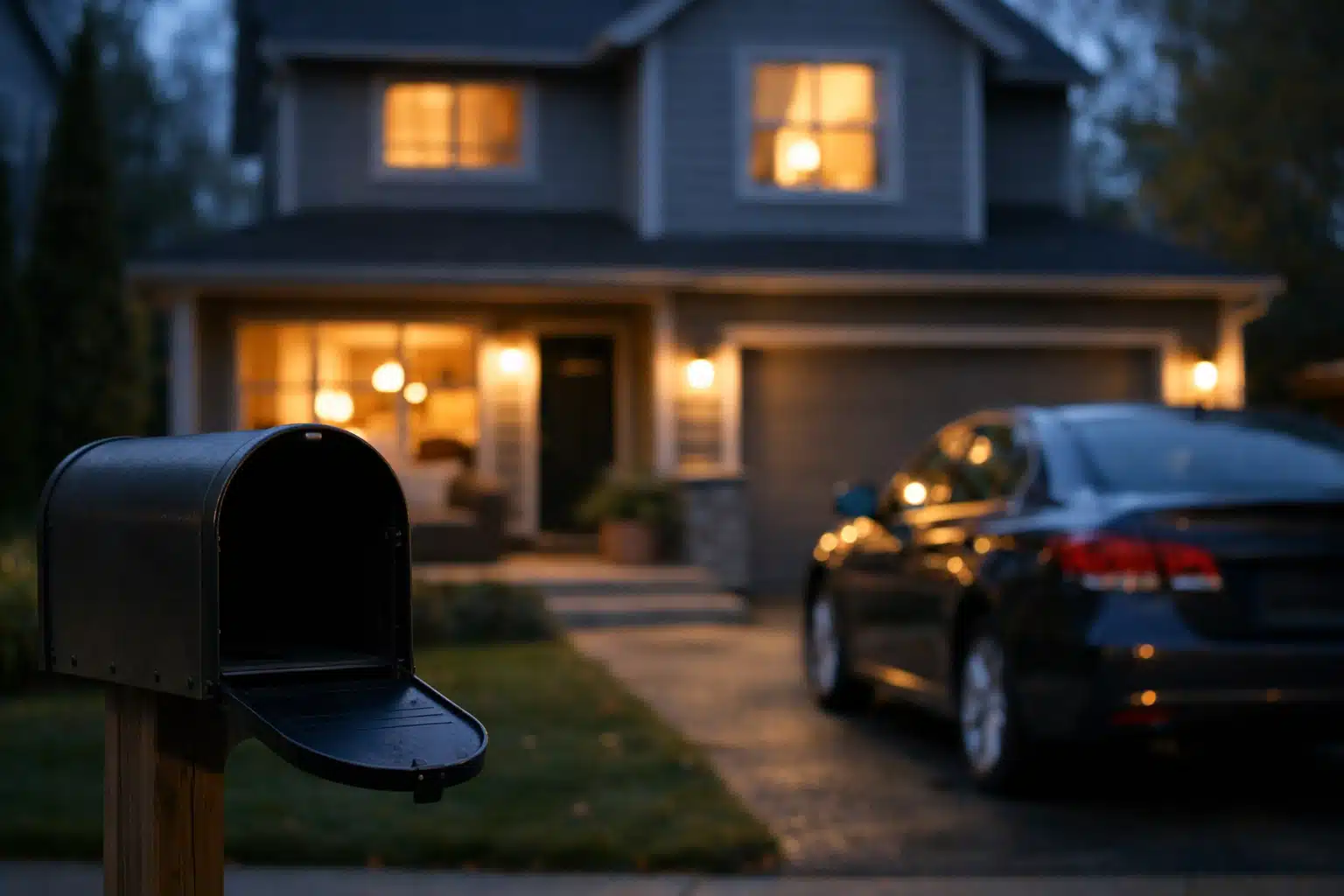
Most holiday burglaries happen between 10 a.m. and 3 p.m., when thieves assume you are at work or out of town. Empty driveways, dark windows, and package piles signal an easy target. Smart home security holiday travel planning removes those signals before you leave.
This post covers what burglars look for, the exact steps to harden your home, and how to prevent the water and fire damage that strikes unoccupied houses. You will also find out when to call a restoration pro if something goes wrong while you are gone.
What Burglars Look For During the Holidays
A burglar scouting your street makes decisions in seconds. They want visible cues that nobody is home and nobody will interrupt them.
Common giveaways include a mailbox stuffed with flyers, a dark house at 7 p.m., and curtains drawn tight in daytime. Delivery boxes left on the porch for two days confirm the house is empty.
The goal is to make your home look occupied, not fortified. A house that appears lived-in rarely makes the shortlist.
Why the Holidays Raise Your Risk
- Gift stockpiles mean more valuables sit inside than usual.
- Social media posts about your trip announce an empty house.
- Longer absences give intruders a wider window to act.
- Early winter darkness hides activity around your property.
Burglary Prevention Tips Before You Leave
The strongest defense happens in the week before departure. Follow these steps in order for the biggest effect.
- Pause mail and package deliveries. Use USPS Hold Mail and set Amazon vacation holds. A stuffed box is the clearest “nobody home” signal.
- Put interior lights on timers. Stagger them across two or three rooms. Set a living room lamp for evening and a bedroom light later at night.
- Ask a neighbor to park in your driveway. A rotating car presence breaks the empty-driveway pattern.
- Lock every window and secondary door. Patio sliders and garage side doors are frequent entry points.
- Remove hidden spare keys. Burglars check under mats, planters, and fake rocks first.
These burglary prevention tips cost little and take under an hour combined. Timers alone reduce break-in odds by making occupancy ambiguous.
Secure the Entry Points That Get Overlooked
Front doors get attention, but intruders prefer quieter paths. Check the back of your home with a critical eye.
- Install a dowel or security bar in sliding door tracks.
- Reinforce door strike plates with three-inch screws into the frame.
- Close and lock garage doors, then unplug the opener for long trips.
- Trim shrubs near windows that give a thief cover.
Home Security Holiday Travel Tech That Pays Off
Modern devices let you watch and control your home from anywhere. A few targeted purchases cover most gaps.
A video doorbell is the single best upgrade for holiday travel. It records porch activity, deters package theft, and lets you speak to anyone who approaches.
Devices Worth Setting Up
- Smart plugs: Control lamps and a radio remotely, no timer guesswork.
- Motion-activated floodlights: Startle anyone circling the backyard at night.
- Door and window sensors: Push alerts to your phone the moment one opens.
- Water leak sensors: Catch a burst pipe before it floods an empty house.
Place one water sensor near your water heater and one under a kitchen sink. Frozen pipes burst in winter, and an unoccupied home means days of undetected flooding.
Protect Against Water and Fire Damage While Away
Burglary is not the only threat to an empty home. A failed water heater or furnace fault can cause thousands in damage before you return.
Shut off the main water valve if you leave for more than three days. No water supply means no burst-pipe flood while you are gone.
Winter Checklist for Unoccupied Homes
- Set the thermostat no lower than 55°F to keep pipes from freezing.
- Open cabinet doors under sinks so warm air reaches the plumbing.
- Unplug space heaters, countertop appliances, and phone chargers.
- Replace smoke detector batteries and test each unit.
- Clear dryer lint and shut off the gas supply to the dryer.
A house that floods in December may sit soaked for a week before anyone notices. That delay turns a small leak into mold, warped floors, and ruined drywall.
What to Do If You Return to Damage or a Break-In
Walk the exterior before entering if anything looks disturbed. Call the police for signs of forced entry, and avoid touching surfaces until they clear the scene.
For water or fire damage, act fast. Mold can begin forming within 24 to 48 hours of water exposure. The longer standing water sits, the higher your repair cost climbs.
How to Find the Right Restoration Help
Restoration Locator connects you with local cleanup and restoration companies. Use the directory to respond quickly after a holiday disaster.
- Filter listings by location to find crews near your home.
- Sort by service type such as water, fire, or mold remediation.
- Check reviews to compare response time and past work.
- Look for 24/7 availability since holiday damage rarely waits.
Document everything with photos before cleanup starts. Your insurer will want proof of the damage and the date you discovered it.
A Simple Pre-Trip Routine
Run this short list the morning you leave. It takes ten minutes and closes the gaps that cause the worst losses.
- Confirm mail and package holds are active.
- Check that light timers or smart plugs are scheduled.
- Lock all doors, windows, and the garage.
- Shut off the main water valve.
- Set the thermostat and arm any alarm system.
Avoid posting trip photos until you are back home. A delayed vacation album keeps your absence private.
Conclusion
Strong home security holiday travel habits come down to making your home look occupied and protecting it from water and fire while you are gone. Timers, deliveries on hold, a shut-off water valve, and leak sensors stop the most common holiday losses. If damage does happen, speed matters more than anything.
Browse Disaster Cleanup & Restoration listings now at https://restorationlocator.com and find a local crew ready to respond.
Sources
- FBI – Burglary Safety and Prevention
- CDC – About Mold and Your Health
- USPS – Hold Mail Service
- American Red Cross – Preventing and Thawing Frozen Pipes